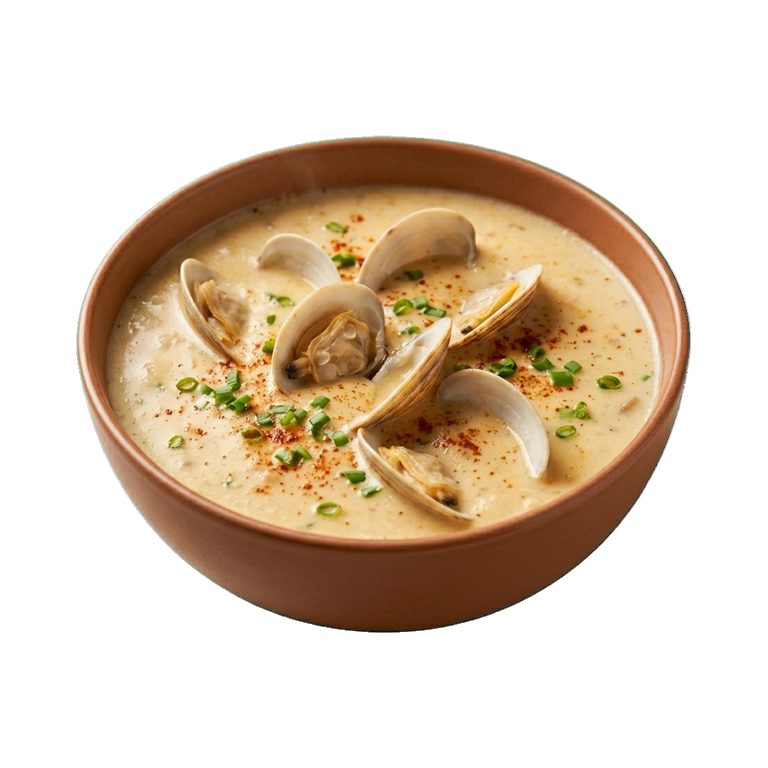
Usuba
Usuba
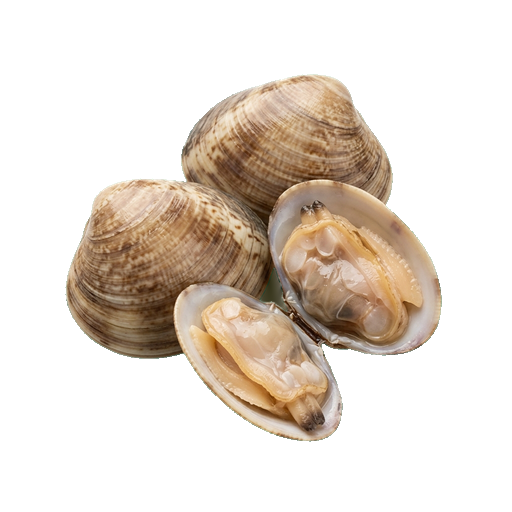
Clams (vongole)
Small marine bivalve mollusks with tender, slightly sweet meat and pronounced seafood aroma. Traditionally used in Italian cuisine for pasta, risotto, and soups, especially in dishes from the Adriatic Sea regions. When selecting, it is important to ensure that the shells are tightly closed, and during cooking, the mollusks should be quickly processed over high heat to preserve the juiciness and tenderness of the meat.
About
Clams are small mollusks with a hard shell that have become the main stars of classic pasta and risotto dishes. Their meat is sweet, tender, and rich with sea aroma, while the shell itself serves as a natural serving vessel. In the kitchen, they are valued for their versatility: equally good in soups, on the grill, or simply steamed in white wine.
Aroma and Taste
The taste of Venus clams is straightforward and honest: pure sea sweetness without sharp notes. The meat is firm but not tough, if not overcooked. The aroma is iodine-like, seaweed-like, with a barely perceptible copper note. This very smell will indicate that the mollusks are fresh and ready for cooking.
Role in Dishes
Clams are a star of Italian cuisine, but their use is not limited to that. They work everywhere where you need seafood flavor without dominance: in pasta they give the aroma of broth, in soups they don't overpower other ingredients, on the grill they reveal sweetness. The main thing is not to overcook: the meat becomes rubbery literally in a minute.
Classic Combinations
- White wine and garlic — the main partners of littleneck clams, they reveal and enhance the seafood flavor
- Pasta (spaghetti, linguine) — clams release their juice into the broth, which becomes the base of the sauce
- Tomatoes and parsley — add brightness, but should not overpower the delicate mollusk flavor
- Oil and lemon — the final touch that brings the dish to life
- Chili pepper — carefully, just a pinch, so as not to mask the aroma
Selection and Preparation
Buy venus clams alive, with tightly closed shells. If the shell is slightly open, tap it gently — a live mollusk will close immediately. Before cooking, soak them for an hour in cold salted water so they get rid of sand. The shells should be clean, without cracks or chips.
Storage
Live clams are stored in the refrigerator at a temperature of 2–4 degrees for a maximum of two to three days. Place them in a bowl and cover with a damp cloth — this way they will remain alive and active. Frozen mollusks without shells can be kept in the freezer for up to three months. Thaw in the refrigerator, never at room temperature.
The main rule of cooking
Clams cook for two to three minutes maximum. As soon as the shells open, remove them from the heat. Overcooked meat loses its tenderness and becomes tasteless — this is irreversible.
If you're cooking clams for the first time, start with a classic pasta with white wine and garlic. This dish will showcase the true flavor of the mollusk and help you understand why they are so prized in Mediterranean cuisine.
Nutrition
per 100 g
- Calories
- 79 kcal
- Protein
- 13.5 g
- Fat
- 1 g
- Carbs
- 3 g
Measures and weight
- 1 pcs
- 15 g
Measure calculator
- Weight
- 100 g
- Calories
- 79 kcal