Usuba
Usuba
Ras el hanout
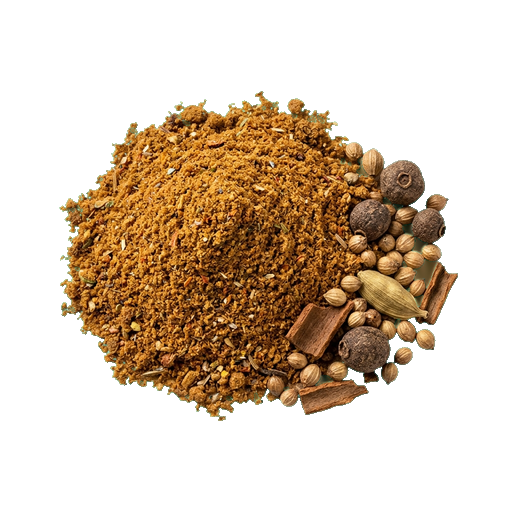
Ras el hanout is an aromatic spice blend from North Africa, composed of 10–20 components: cinnamon, cumin, coriander, cloves, nutmeg, ginger, paprika, black pepper, and other spices. Its warm, multi-layered flavor with floral and spicy notes is ideal for marinades, stews, pilaf, and meat dishes, while also adding depth to vegetable soups and sauces. When selecting, pay attention to a bright aroma and uniform brown color — a quality blend should smell fresh and complex, without a musty odor.
About
Ras el hanout is not a single spice, but an entire composition born in the shops of Moroccan bazaars. The name translates as "head of the shop," and this is no coincidence: each merchant creates their own unique blend, adding what they consider the best from their assortment. As a result, you get a complex, multi-layered aroma that is difficult to describe but easy to recognize.
Aroma and Taste
Opening a jar, you'll feel a wave of warmth: turmeric and ginger, cloves and cinnamon, a hint of chili pepper. But that's only the first layer. Then more delicate notes emerge — coriander, cumin, sometimes nutmeg or cardamom. Each blend has its own character, so two packages from different manufacturers can differ significantly.
The flavor is dominated by warm spices with a subtle bitterness and slight heat. The blend doesn't announce itself loudly, but works in the background, revealing the depth of the dish and creating a sense of complexity that would be difficult to replicate with individual spices.
Where to use
This is a spice for Moroccan and North African dishes, but it works well in other cuisines too. It is added to tagines — slowly braised meat and vegetable dishes where the spices fully unfold their flavors. Ras el hanout is perfect for marinades for lamb, chicken, and even fish.
- Topping for fried vegetables or chickpeas before serving
- Additive to chickpea or lentil soup
- Part of a marinade for kebabs or skewers
- Spice for pilaf or risotto if you want to add African notes
- A pinch in yogurt or cottage cheese for an unusual sauce
Dosage and combinations
Ras el hanout is a powerful blend, so start with half a teaspoon for four servings. This spice works best in dishes that cook for a long time: stews, casseroles, slow soups. This way all the components of the blend have time to open up and integrate into the overall flavor.
Ras el hanout pairs well with honey, lemon, and dried fruits — this is a classic Moroccan combination. It works wonderfully with garlic, onions, and tomatoes. If you're adding it to a meat dish, don't forget fresh herbs — cilantro or parsley — at the end of cooking to refresh the flavor.
Selection and Storage
When selecting a blend, pay attention to the color — good ras el hanout has a rich brown or reddish hue, without gray clumps. Smell it: the aroma should be bright and multi-layered, without musty or rancid notes. If possible, choose freshly ground spice from trusted suppliers.
Store ras el hanout in an airtight container in a dark, cool place, away from sunlight and heat. When stored properly, the blend retains its aroma and flavor for about a year, but it is best to use it within six months — spices tend to lose their potency over time. If the smell has become weak or an off-taste has appeared, it's time to buy a new package.
Nutrition
per 100 g
- Calories
- 350 kcal
- Protein
- 12 g
- Fat
- 15 g
- Carbs
- 40 g
Measures and weight
- 1 tbsp
- 9 g
- 1 tsp
- 3 g
- 1 cup
- 150 g
Measure calculator
- Weight
- 100 g
- Calories
- 350 kcal