Usuba
Usuba
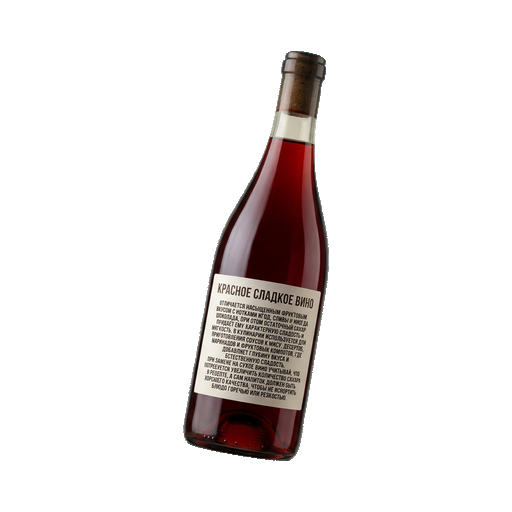
Red sweet wine
Red sweet wine is distinguished by a rich fruity flavor with notes of berries, plum, and sometimes chocolate, while residual sugar gives it a characteristic sweetness and smoothness. In cooking, such wine is used for preparing meat sauces, desserts, marinades, and fruit compotes, where it adds depth of flavor and natural sweetness. When substituting with dry wine, keep in mind that you will need to increase the amount of sugar in the recipe, and the wine itself should be of good quality to avoid spoiling the dish with bitterness or harshness.
About
Red sweet wine is not just a dessert drink. In cooking, it is a multifunctional ingredient that adds depth, roundness, and light fruity sweetness to sauces, marinades, and stewed dishes. When wine is heated, the alcohol evaporates, and the sugars and tannins concentrate, creating a rich background for other flavors.
Aroma and Taste
Red sweet wine usually smells of ripe berries — plum, cherry, sometimes with notes of prune or raisin. Sweetness predominates in the taste, but good wine should not seem cloying. Often a light acidity is felt, which balances the sugar and makes the wine lively, rather than syrupy.
Role in dishes
In the kitchen, red sweet wine works as a flavor enhancer. Add it to a red currant or berry sauce — wine will reveal their aromas and bind the components together. It goes into marinades for meat, especially for beef and lamb, giving softness and a slightly sweet undertone. In stewed dishes, wine helps soften the fibers and creates a rich gravy.
- Sauces for meat and poultry — especially for game and red meat
- Marinades for steaks and ribs
- Base for glaze for baked fruits or berries
- Addition to chocolate desserts and puddings
- Component in stewed ragouts and beef stroganoff
Pairings
Red sweet wine pairs well with dark chocolate, cinnamon, cloves, and black pepper. Berries are its natural companions. With meat, it works paired with juniper, bay leaf, and rosemary. Avoid using wine and very acidic components (vinegar, lemon) simultaneously in one sauce — it may result in a flavor conflict.
Selection and Storage
You don't need expensive wine for cooking — choose mid-range wine that you enjoy drinking. Check that the wine is truly sweet (usually indicated on the label), not just fruity. Avoid overly oxidized or "tired" bottles: the taste should be lively and clear.
Store an open bottle in the refrigerator — red sweet wine oxidizes faster than dry wine. Close the cork tightly or pour it into a smaller container to minimize contact with air. With proper storage, wine will retain its quality for 3–5 days. For cooking, you can use leftover wine that has already started to spoil — heating smooths out the defects.
The golden rule: if wine is too acidic or unpleasant to taste on its own, it won't improve the dish. Wine in sauce amplifies its flaws rather than hiding them.
Nutrition
per 100 ml
- Calories
- 98 kcal
- Protein
- 0.2 g
- Fat
- 0 g
- Carbs
- 12 g
Measures and weight
- 1 tbsp
- 14.8 g
- 1 tsp
- 5 g
- 1 cup
- 247.5 g
Measure calculator
- Weight
- 100 g
- Calories
- 99 kcal