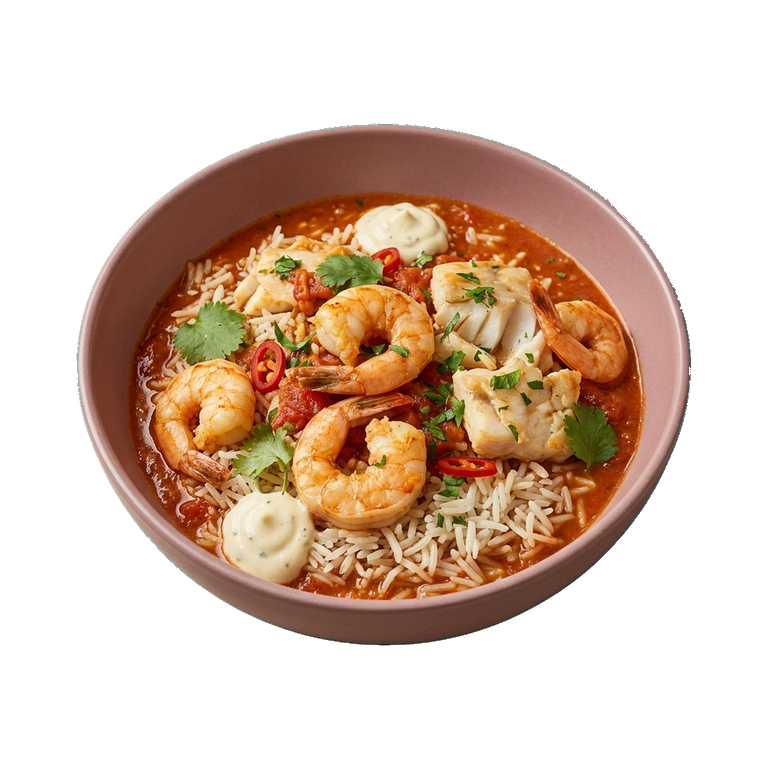
Usuba
Usuba
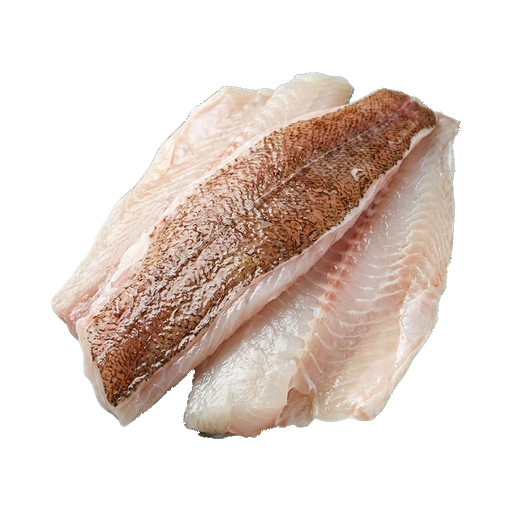
Redfish fillet
Redfish fillet is white, tender meat with a delicate slightly sweet flavor and firm texture that holds its shape well during cooking. The fish has almost no small bones, making it convenient to prepare and suitable for any cooking method: frying, baking, boiling, and stewing. When choosing, pay attention to meat firmness and the absence of ammonia smell — these are signs of product freshness.
About
Scorpionfish is a fish that remained in the shadow of more popular varieties for a long time. But those who work with it regularly know: it is one of the most rewarding ingredients in the kitchen. The fillet has a dense, slightly grainy structure, does not fall apart during heat treatment, and maintains its shape even in active boiling. The meat is white, tender, with a subtle sweet flavor that does not overpower sauces and side dishes, but complements them.
Aroma and Taste
Redfish fillet practically has no "fish" smell in the conventional sense. The smell of fresh product is barely perceptible, maritime, without sharp notes. This makes it an ideal choice for those who are wary of strong fishy aroma. When cooking, the smell remains delicate, does not spread throughout the kitchen, and does not absorb into clothing and furniture.
Neutral taste, slightly sweet, with barely noticeable saltiness. This allows the fillet to be used in a variety of dishes: from delicate soups to rich sauces. The fish does not compete with spices and ingredients, but serves as a foundation that brings them together.
Structure and density
Sea rooster meat is denser than cod or pollock, but softer than pike. The fibers are quite strong, so the fillet won't fall apart when boiling, frying, or stewing. This is especially important when cooking in boiling liquid or during prolonged heat treatment. The structure remains intact, and the pieces don't turn into mush.
How to cook
- Pan frying — the fillet develops a nice crust while staying juicy inside. Just 4–5 minutes on each side over medium heat.
- Boiling in broth — the fish won't fall apart, even if it simmers for 10–15 minutes. Perfect for soups and fish broths.
- Baking in the oven — holds its shape and doesn't dry out at the right temperature (180–200 degrees, 12–15 minutes).
- Stewing in sauce — absorbs flavors while maintaining its own consistency.
- On a grill or grill pan — creates beautiful grill marks and doesn't break when flipped.
Pairings and Sauces
The neutral flavor of the fillet works well with bright sauces: lemon butter, tomato, creamy herb sauce, and spicy Asian flavors. The fish doesn't overpower the spices, making it suitable for Mediterranean, Asian, and classic European cuisine.
- Lemon, lime, orange — acidity emphasizes the tenderness of the meat
- Herbs: dill, parsley, basil, thyme — add aroma without overpowering the fish
- Butter, olive oil — create a delicate sauce texture
- Tomatoes, white wine, vegetable broth — perfect base for stewing
- Ginger, soy sauce, sesame oil — work well in Asian dishes
Selection and Storage
When purchasing, pay attention to the color of the fillet — it should be white or light pink, without yellow or brown spots. The surface should be moist, but not slippery. The smell should be fresh and oceanic, without ammonia notes. If the fillet is purchased in vacuum packaging, check the expiration date and the integrity of the package.
In the refrigerator, fillet is stored for 2–3 days in the coldest part (usually the bottom shelf). Transfer it to a container or wrap it in parchment paper — this will prevent it from absorbing odors. In the freezer, fillet keeps for up to 3 months. Thaw in the refrigerator overnight before cooking, not at room temperature.
Sea robin is often cheaper than popular fish species, but it is equal to them in quality and versatility. This is a fish for those who value reliability and results.
Redfish fillet is a choice for weekday lunches and festive dinners. It forgives the mistakes of beginner cooks (won't fall apart during prolonged cooking), delights experienced ones (holds its shape during complex preparation) and always delivers a delicious result.
Nutrition
per 100 g
- Calories
- 90 kcal
- Protein
- 19 g
- Fat
- 1.5 g
- Carbs
- 0 g
Measure calculator
- Weight
- 100 g
- Calories
- 90 kcal