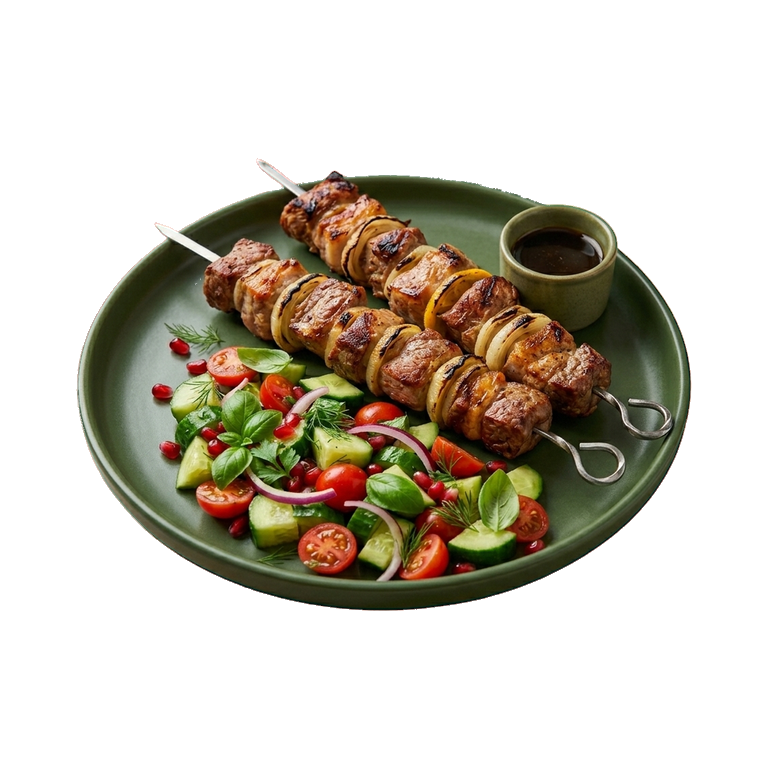
Usuba
Usuba
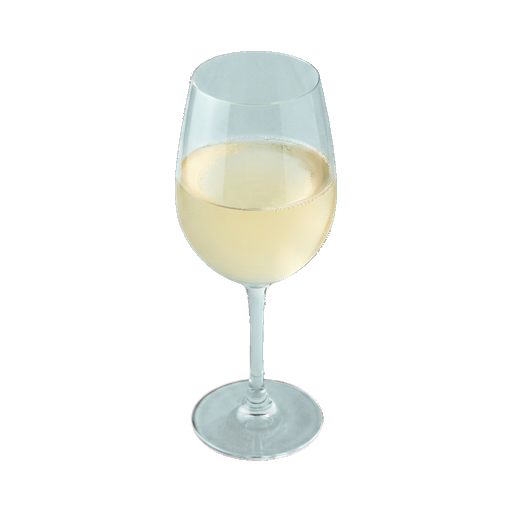
Riesling
An aromatic white wine with floral and fruity notes, which can be either dry or sweet depending on the producer. In cooking, it is used for deglazing pans, preparing sauces for fish and seafood, as well as for marinades. When selecting wine for cooking, it is important to consider the sweetness level of the wine to ensure it matches the character of the dish and does not overpower the main flavors.
About
Aroma and Taste
Riesling is a white wine that surprises with its multifaceted character. In young wines, you can feel the freshness of flowers, green apples, and citrus. With age, honey, mineral notes, and a subtle apricot aroma appear. The taste can be either dry or sweet — it all depends on the producer and fermentation method. The main feature: even sweet versions don't seem cloying thanks to good acidity.
Role in dishes and pairings
In the kitchen, Riesling works as a universal helper. Dry versions are perfectly suited to seafood, white fish, and light appetizers. Semi-sweet varieties pair well with spicy Asian dishes — the acidity balances the heat, while the light sweetness complements the spices. Riesling is also respected in cooking: it is added to sauces for poultry, used for deglazing pans, and marinating.
- Shrimp, oysters, white fish
- Sushi and rolls
- Thai and Indian cuisine
- Chicken cutlets and schnitzel
- Fruit desserts and blue cheese
Selection and Storage
When selecting, check the label: if it says «dry» or «trocken» — this is dry wine, «kabinett» or «spätlese» — semi-sweet. The color should be light yellow, without cloudiness. Young Riesling is best consumed within 1–2 years, as it retains its freshness and fruity notes. Premium versions can be stored for 5–10 years, developing complexity.
Store Riesling in a cool place, in a horizontal position, protected from direct sunlight. After opening, the bottle can be kept in the refrigerator for 3–5 days — the wine will not lose its quality. Before serving, chill to 8–12 degrees for dry versions and to 6–8 for sweet versions.
Riesling is a wine worth trying, even if you think you know your preferences. Its flexibility and elegance make it a perfect companion for both a simple dinner and a festive table.
Nutrition
per 100 ml
- Calories
- 82 kcal
- Protein
- 0.1 g
- Fat
- 0 g
- Carbs
- 2.6 g
Micronutrients
per 100 ml
Macronutrients
- Water
- 85.694 g
Measures and weight
- 1 tbsp
- 14.8 g
- 1 tsp
- 5 g
- 1 cup
- 247.5 g
Measure calculator
- Weight
- 100 g
- Calories
- 83 kcal