Usuba
Usuba
Round rice
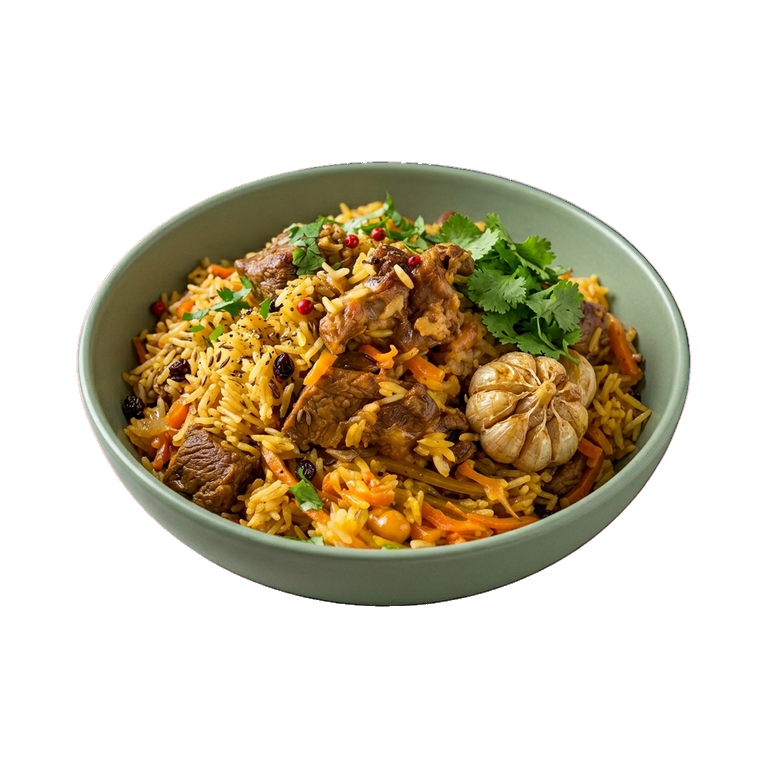
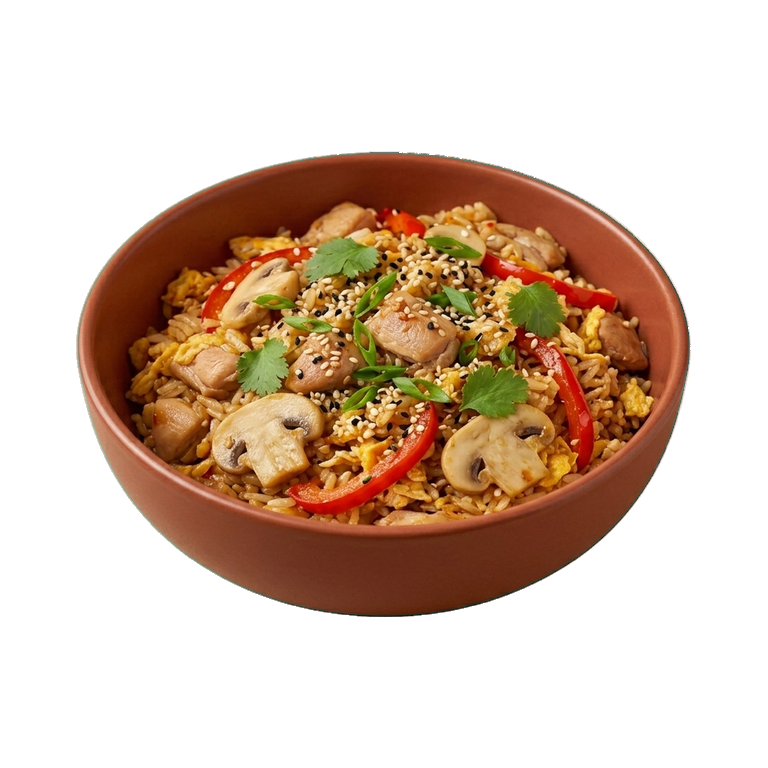
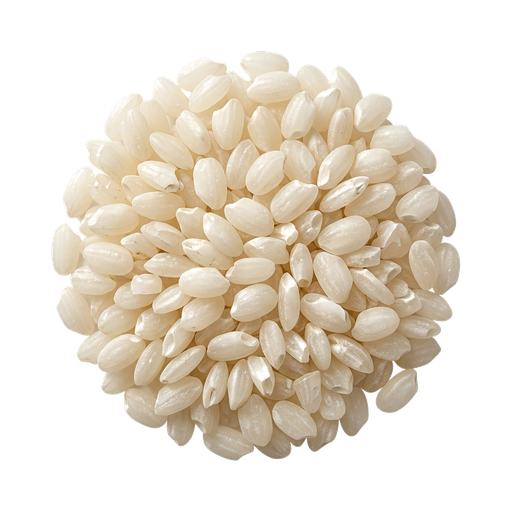
Round rice has short, rounded grains that absorb plenty of liquid during cooking and become soft and slightly sticky. Thanks to its high starch content, it is ideal for risotto, porridges, puddings, and milk-based dishes where a creamy consistency is needed. When selecting, pay attention to the uniformity of the grains and the absence of impurities — quality round rice cooks evenly and does not turn into mush.
About
Round rice consists of grains with a short, thick body and high starch content. When you cook such rice, the grains absorb moisture unevenly: the outer layer softens quickly, while the inside retains some density. This is why round rice becomes sticky, viscous, and almost creamy — a quality that makes it ideal for dishes where cohesion is needed.
Aroma and texture
Round rice has a soft, neutral taste — it doesn't compete with other ingredients, but rather complements them. The aroma is barely noticeable, slightly sweet, especially if the rice is of good quality. The texture after cooking is the main highlight: the grains stick together, creating a uniform, almost puree-like mass, but at the same time each grain remains intact, without breaking down into porridge.
Where to use round rice
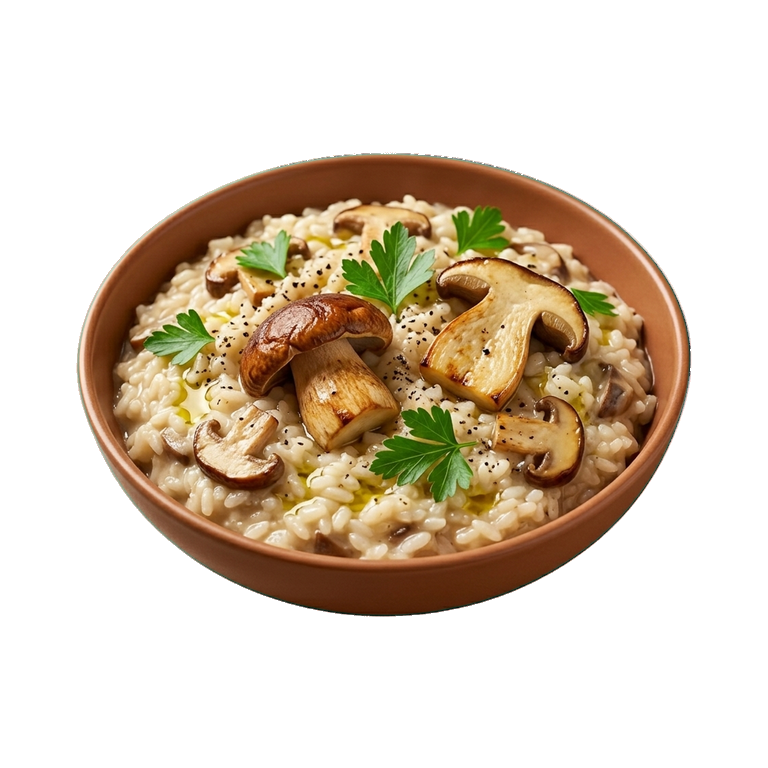
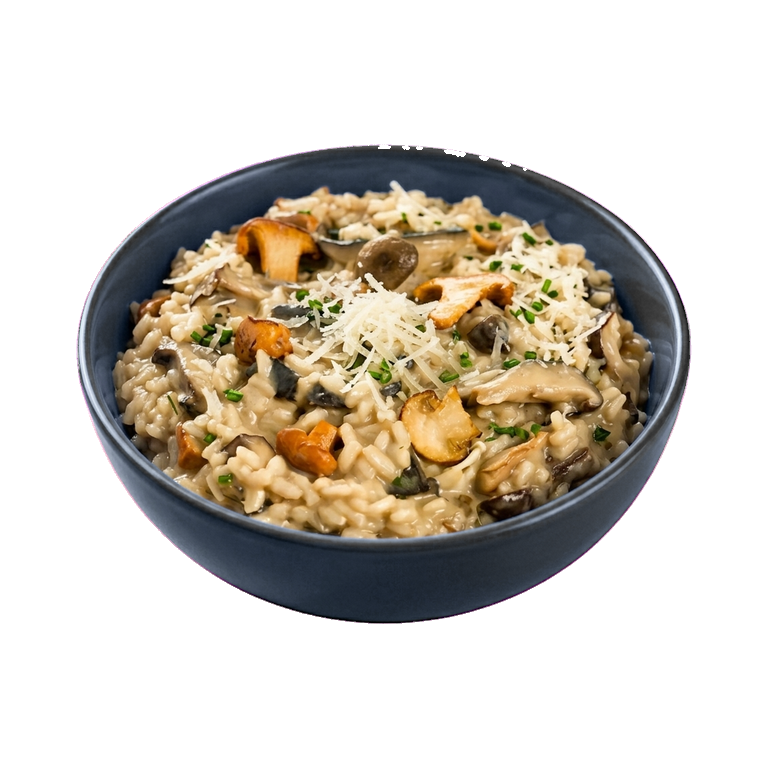
- Risotto — a classic Italian dish where rice stickiness is critical for a creamy sauce
- Paella — a Spanish stew where rice absorbs the broth and becomes part of a unified whole
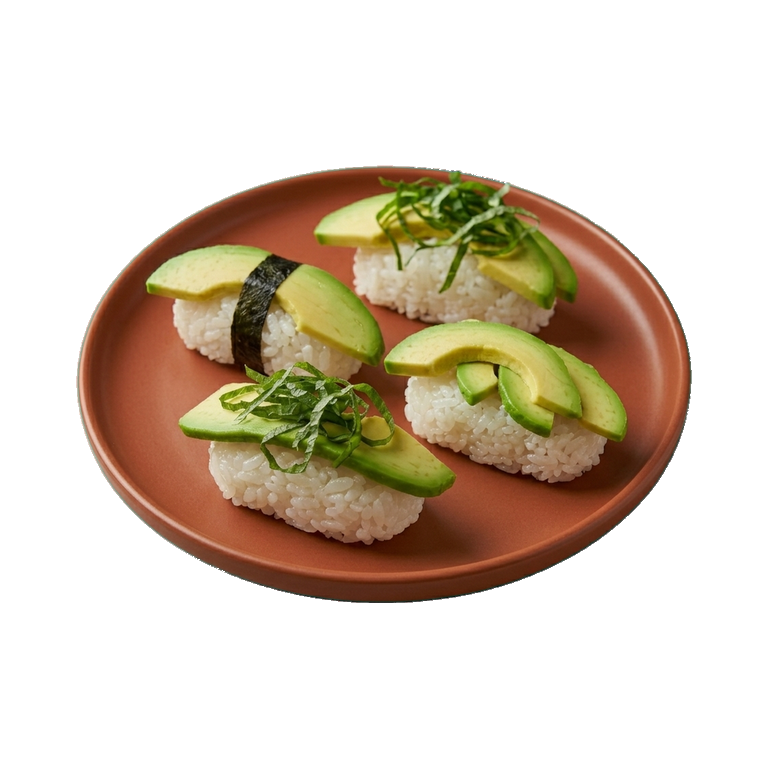
- Sushi and rolls — round rice holds its shape best and adheres to nori
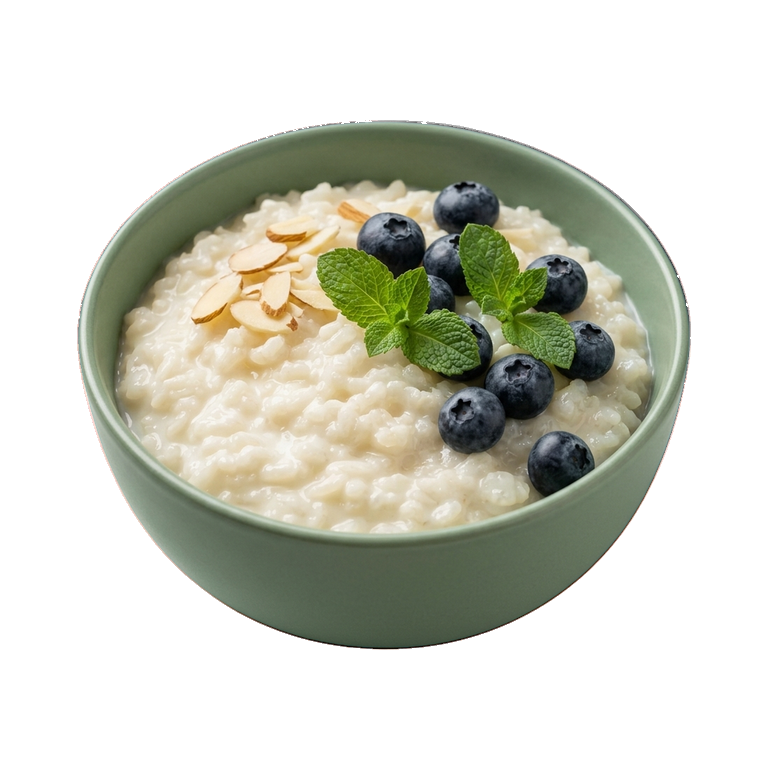
- Rice puddings and desserts — viscous texture creates a delicate base
- Porridges and milk dishes — rice easily transforms into a smooth, comfortable consistency
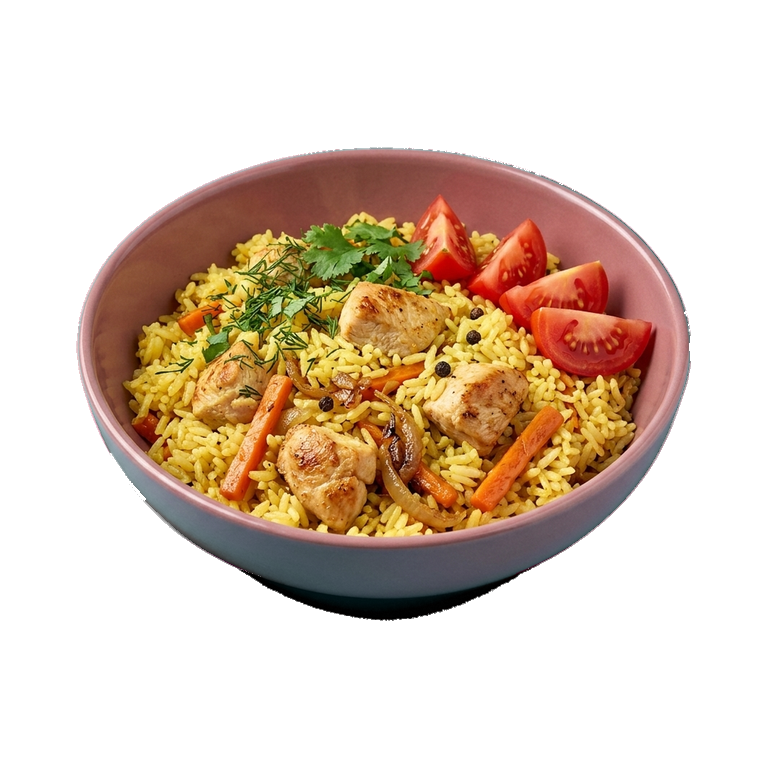
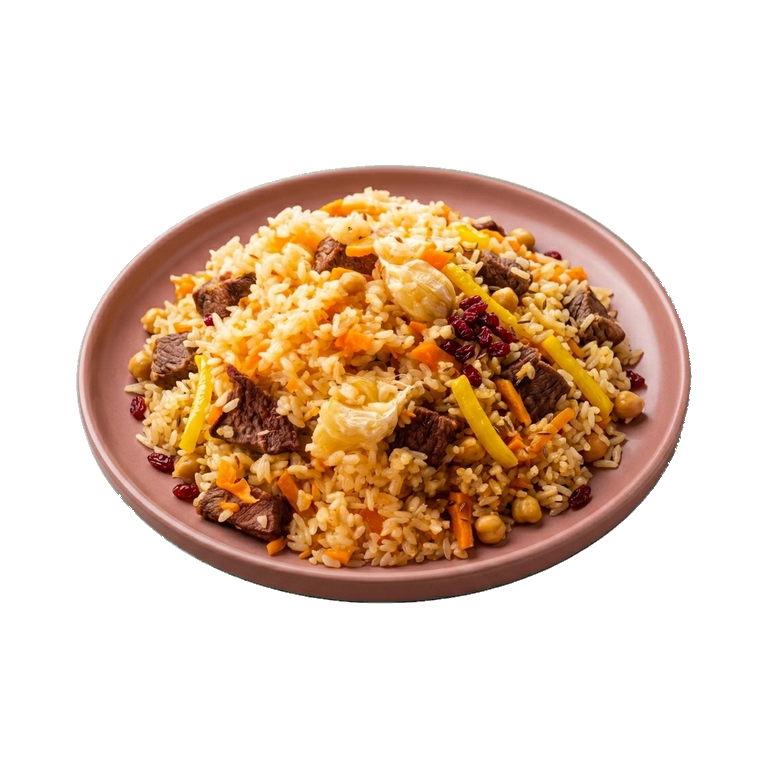
Short-grain rice is rarely used as a side dish for meat or fish — you need a crumbly texture for that. However, it is essential in dishes where rice should stick together and form a structure. If you are making risotto and use long-grain rice, the dish will turn out mushy and disappoint you. Short-grain rice here is not an alternative, but a necessity.
How to Choose and Store
When purchasing, pay attention to the appearance: the grains should be whole, without chips or cracks, and of uniform size. Good round rice has a slightly matte sheen, not cloudy and not too transparent. Avoid packages with visible dust or foreign particles — this is a sign of improper storage or poor quality.
- Store rice in an airtight container in a cool, dry place
- Avoid moisture and direct sunlight — rice easily absorbs odors and moisture
- Shelf life is up to two years, but it's better to use it within a year
- Rinse rice with cold water several times before cooking — this will remove excess starch and get rid of dust
The water-to-rice ratio for short-grain rice is typically 2:1 or even 2.5:1 — more liquid than for long-grain rice. Cook over medium heat covered for 15–20 minutes without stirring until the water is completely absorbed. If making risotto, add broth in portions while stirring constantly — this releases the starch and creates a creamy sauce.
Combinations with other ingredients
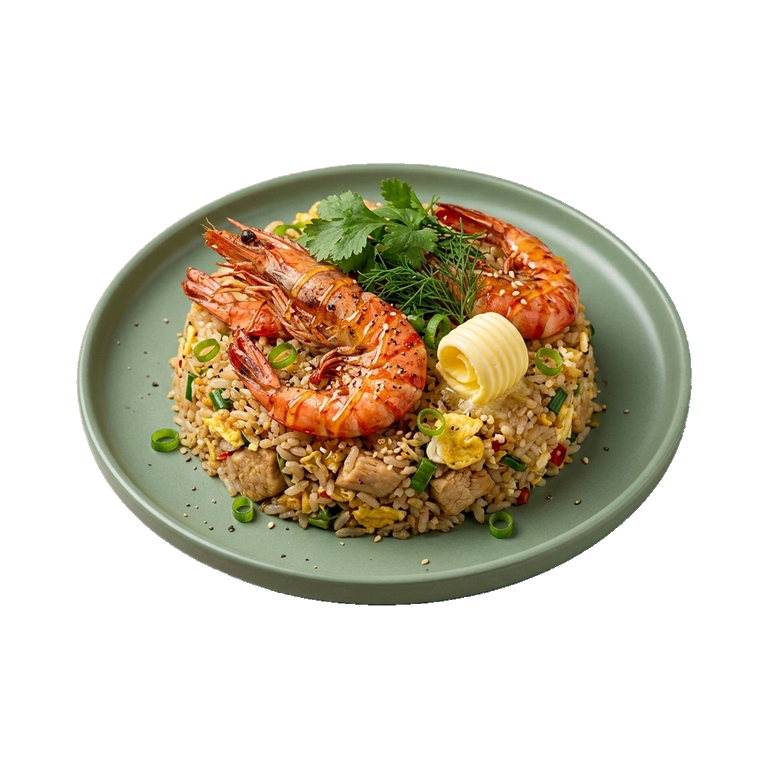
Short-grain rice works well with butter, cream, and cheese — they enhance creaminess. In sushi, it is complemented by rice vinegar, sugar, and salt. For risotto, mushrooms, seafood, white wine, and vegetables are suitable. In milk-based dishes, rice pairs well with cinnamon, vanilla, and dried fruits. The main thing to remember is that short-grain rice is naturally sticky, so you shouldn't add too much liquid or fat, otherwise the dish will become viscous and unpleasant.
Round rice is not just a side dish, it is an ingredient that creates the structure of a dish. Choose it consciously, cook with respect for its properties, and the result will surprise you.
Nutrition
per 100 g
- Calories
- 340 kcal
- Protein
- 6.7 g
- Fat
- 0.7 g
- Carbs
- 78.9 g
Measures and weight
- 1 tbsp
- 12.8 g
- 1 tsp
- 4.3 g
- 1 cup
- 212.5 g
Measure calculator
- Weight
- 100 g
- Calories
- 340 kcal