Usuba
Usuba

Rose Water
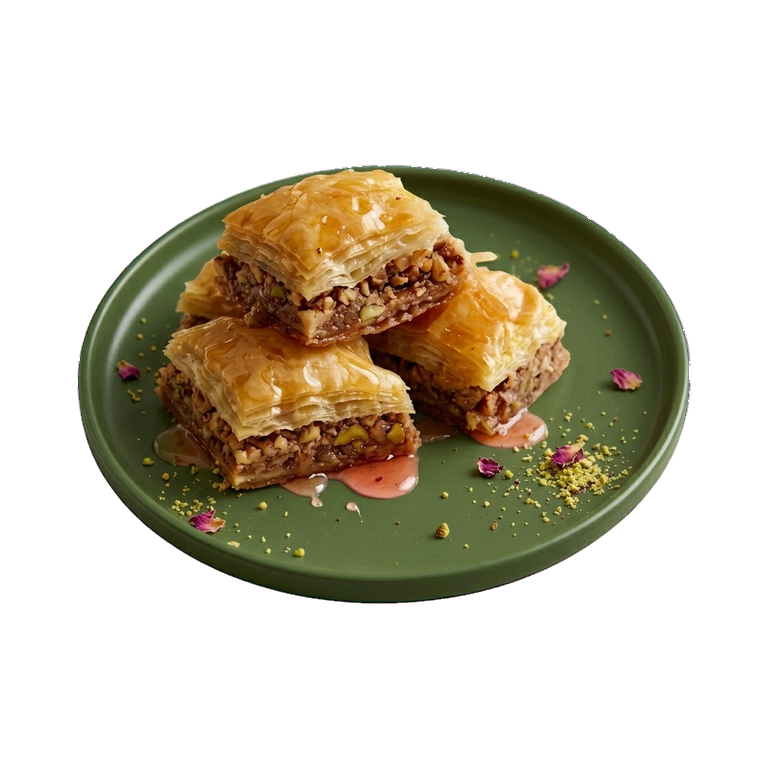
An aromatic liquid obtained by distilling rose petals with water, featuring a delicate floral aroma and a slightly astringent, fresh taste. Used in Eastern and Persian cuisine to flavor desserts, beverages, rice dishes, and confectionery products, adding a subtle floral note. When adding to dishes, use with caution — just a few drops are sufficient, as the strong aroma can easily overpower other flavors, so start with a minimal amount and adjust to taste.
About
Rose water is not perfume or cologne, but a genuine culinary ingredient that adds a delicate floral aroma and subtle sweetness to dishes. It is obtained by distilling rose petals, resulting in a fragrant liquid that works equally well in both sweet and savory dishes. The key is understanding how much to use so you don't turn your dessert into a perfume counter.
Aroma and Taste
Rose water has a strong yet delicate aroma — floral and slightly fruity at the same time. To the taste, it is not sweet but rather astringent with a barely perceptible bitterness. The intensity depends on the concentration: in good rose water, the aroma is pronounced but not overpowering. If you open the bottle and smell a sharp, almost chemical odor — this is a sign of low quality or improper storage.
Role in dishes
Rose water is added literally drop by drop — just a few milliliters for the entire dessert. It works well in creams, syrups, cookies, and puddings. It is used in Middle Eastern pastries, jams, and beverages. An interesting property: rose water not only adds flavor but also slightly changes the texture of butter creams, making them airier.
Pairs well with
- With butter and cream frosting — a classic combination for cakes and pastries
- With cardamom and cinnamon — an oriental direction, perfect for cookies and puddings
- With lemon and orange — floral notes balance citrus acidity
- With pistachios and almonds — a natural partnership in Middle Eastern baking
- With raspberry and strawberry — rose water enhances the berry aroma
Selection and Storage
When choosing, look for rose water in dark glass bottles — this helps preserve its properties better. The composition should be simple: water and rose oil (or distillate). If the ingredient list contains many additives and preservatives, it is not a culinary product. Store rose water in a cool, dark place; keep an opened bottle in the refrigerator and use it within a few months.
Start small: a quarter teaspoon per kilogram of dough or cream. It's better to add more than to overdo it from the start. Rose water has the property of intensifying with storage, so a dessert made yesterday will smell more intense than a freshly made one.
Rose water is not a required ingredient, but once you add it to a cream or cookie, it will become your secret ingredient that guests won't be able to name, but will definitely feel.
Nutrition
per 100 ml
- Calories
- 0 kcal
- Protein
- 0 g
- Fat
- 0 g
- Carbs
- 0 g
Measures and weight
- 1 tbsp
- 15 g
- 1 tsp
- 5 g
- 1 cup
- 250 g
Measure calculator
- Weight
- 100 g
- Calories
- 0 kcal