Usuba
Usuba
Swordfish
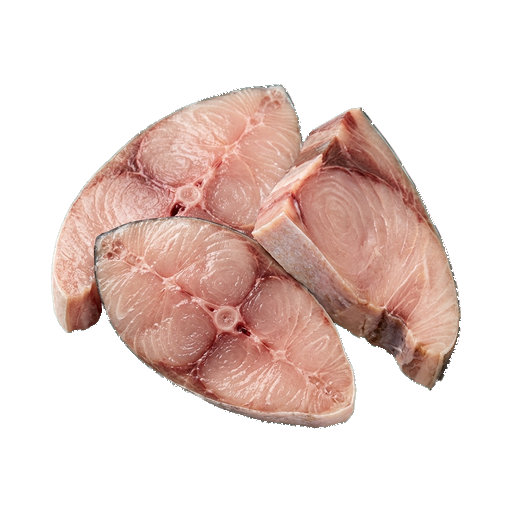
A large saltwater fish with dense meat of light pink color and delicate, slightly sweet flavor. Thanks to its low fat content and firm meat structure, swordfish handles frying, grilling, and baking well without falling apart. When choosing steaks, pay attention to uniform color and surface moisture, and when cooking remember that the meat can dry out quickly, so don't overexpose it to heat and use marinades or sauces to preserve juiciness.
About
Swordfish is a delicacy for those who appreciate meaty, dense texture and are ready to work with large steaks. Its meat is light, almost white, with a barely noticeable pink tint, and has no fishy taste in the conventional sense. Rather, it is a neutral, delicate base that absorbs the aromas of spices, oil and sauces like a sponge.
Taste and texture
Swordfish meat contains enough fat to remain juicy even with intense heat treatment. It doesn't crumble or fall apart like more delicate fish varieties — rather, it resembles poultry or even veal in texture. The taste is mild, slightly sweet, without the iodine or sea notes that deter many people from fish.
How to Cook
Swordfish is forgiving of mistakes. Its thick steaks can be grilled, pan-fried, or baked in the oven without the risk of drying out. The key is not to overcook: about seven to eight minutes over medium heat, and the meat is ready. The thickness of a piece is usually two to three centimeters, which allows you to get a crispy crust on the outside and a tender center inside.
- Grill or pan: quick, with minimal preparation. Oil, salt, pepper — and ready in five to seven minutes on each side.
- Baked in foil: with lemon, herbs and vegetables. The meat turns out more tender, although there won't be a crust.
- Marinated: absorbs aromas in a few hours. Great for grilling or baking.
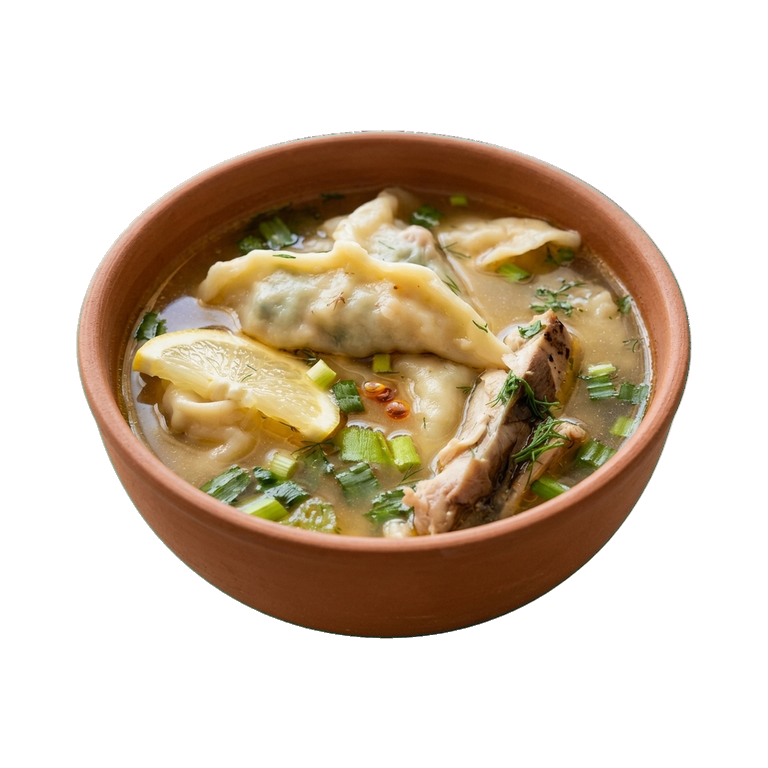
- In soups and stews: diced, cooks quickly and holds its shape.
Pairings and sauces
The neutral flavor of swordfish requires a bright companion. Lemon and lime are classics that refresh and highlight the tenderness of the meat. Hot sauces, garlic, ginger, and fresh herbs (parsley, dill, tarragon) work wonderfully. Olive oil, butter with capers, tomato sauces — all of these will find their way to the meat.
- Lemon, garlic, olive oil
- Soy sauce, ginger, sesame oil
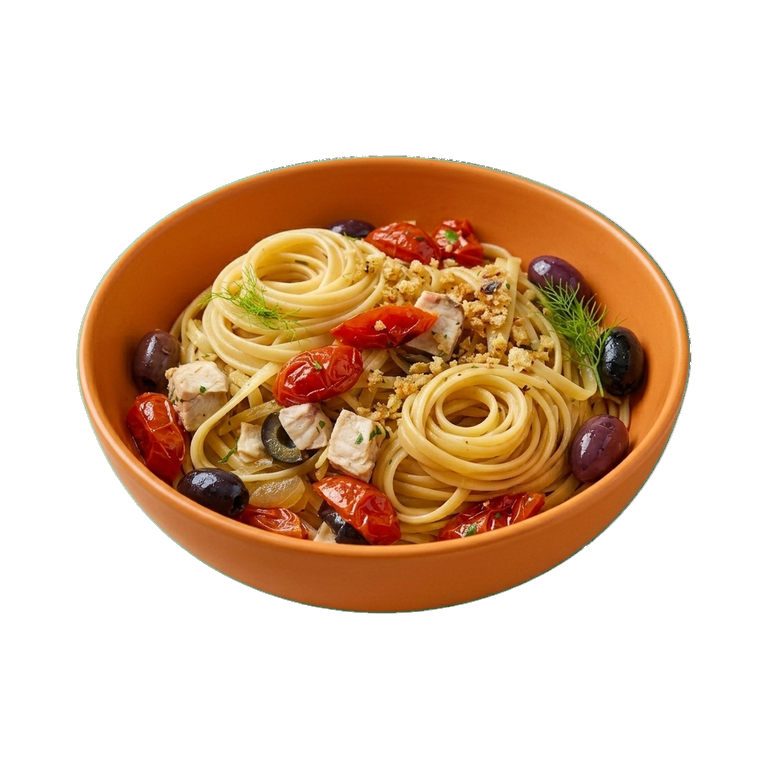
- Tomatoes, capers, black olives
- Fresh herbs: dill, parsley, tarragon
Selection and Storage
When purchasing, pay attention to the color: the meat should be pink-white, without gray or brown spots. The smell should be barely noticeable, with a marine scent, but not fishy. Fresh swordfish is best cooked on the day of purchase, but it will keep in the refrigerator for two to three days in an airtight container. Frozen fish keeps for months — thaw it in the refrigerator, not on the counter.
Swordfish is a versatile player in the kitchen. It requires no complex preparation, doesn't intimidate beginners, and delights experienced chefs with its reliability.
Nutrition
per 100 g
- Calories
- 121 kcal
- Protein
- 19.8 g
- Fat
- 4.9 g
- Carbs
- 0 g
Measure calculator
- Weight
- 100 g
- Calories
- 121 kcal