Usuba
Usuba
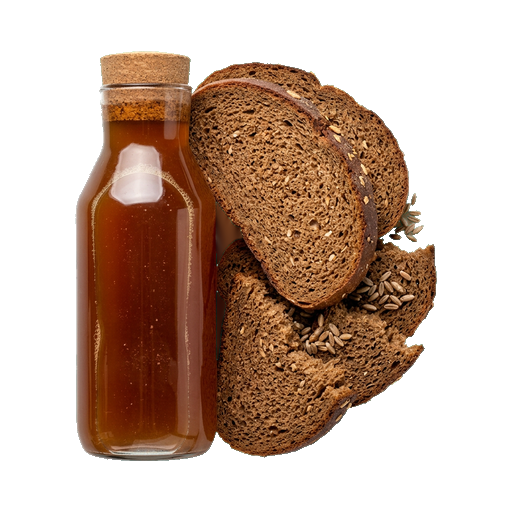
Rye Bread Kvass
A traditional beverage made from rye or wheat bread with a distinctive sour-sweet flavor and slightly tannic aftertaste. Used as a base for okroshka, botvinnya, and other cold soups, as well as a standalone drink. When selecting, pay attention to the concentration — homemade kvass is thicker and more saturated than store-bought versions, so when substituting liquids in a recipe, dilution with water may be required.
About
Bread kvass is not just a beverage, but a living ingredient that works in the kitchen on several levels simultaneously. It gives dishes depth, acidity, and character, while remaining a background against which other flavors unfold. In cooking, kvass is valued for its ability to change texture, promote dough fermentation, and add complexity where exactly this slightly salty, bread-like sourness is needed.
Taste and Aroma
Kvass smells of bread, but not fresh — rather like bread that has already undergone fermentation. It has notes of rye, a light sweetness, a barely noticeable bitterness, and a slightly salty taste. The flavor is lively, slightly carbonated, with a pleasant acidity that doesn't bite the tongue but gently coats it. Each sip leaves an aftertaste of bread and a hint of yeast — this is normal and desirable.
Depending on the recipe and manufacturer, kvass can be sweeter or more sour, with pronounced salt or almost without it. Homemade kvass is often softer and more aromatic than store-bought — you can hear all the nuances of fermentation in it. If you're using kvass in cooking for the first time, try it first in its pure form to understand its character.
Role in dishes
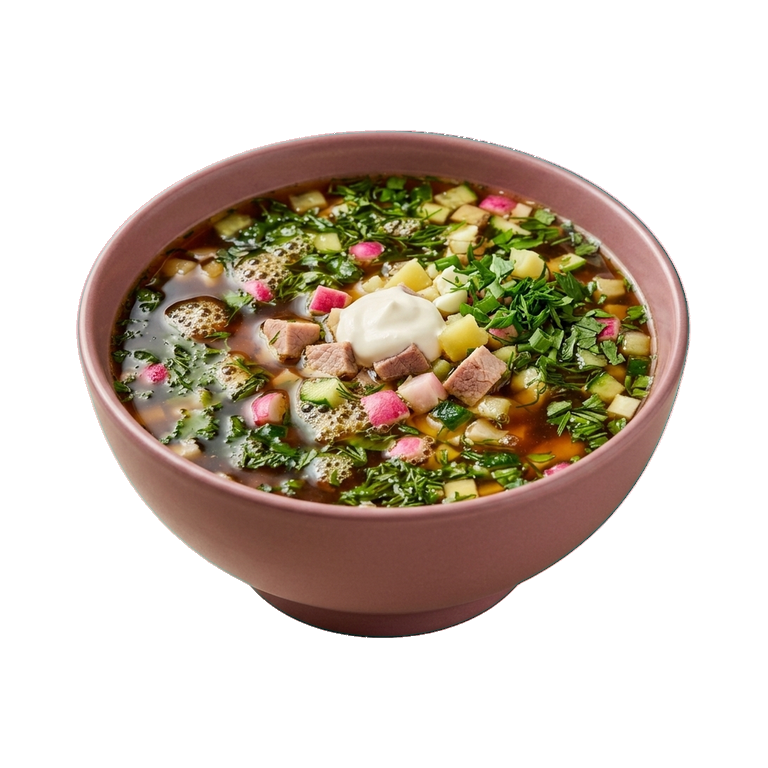
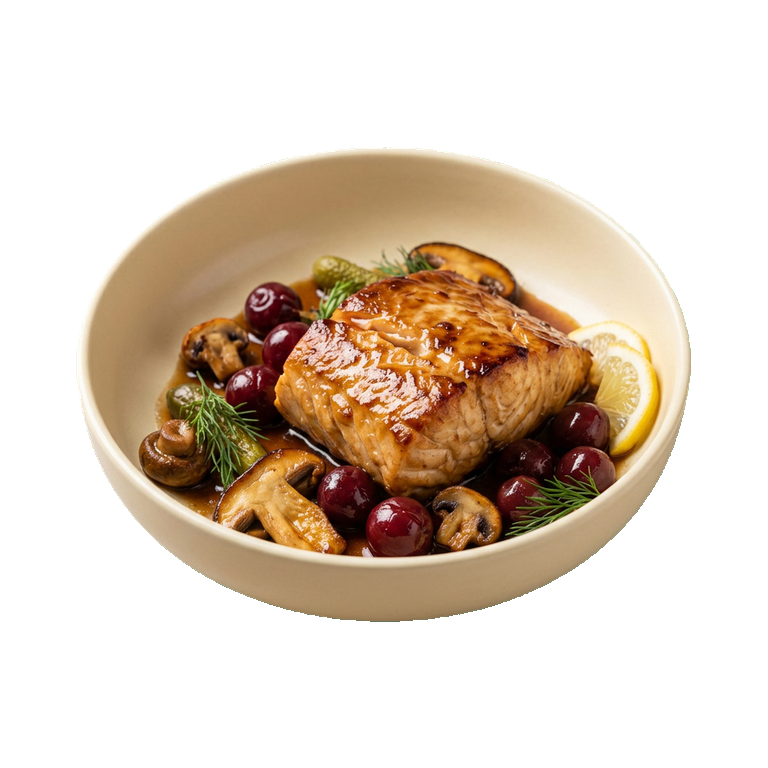
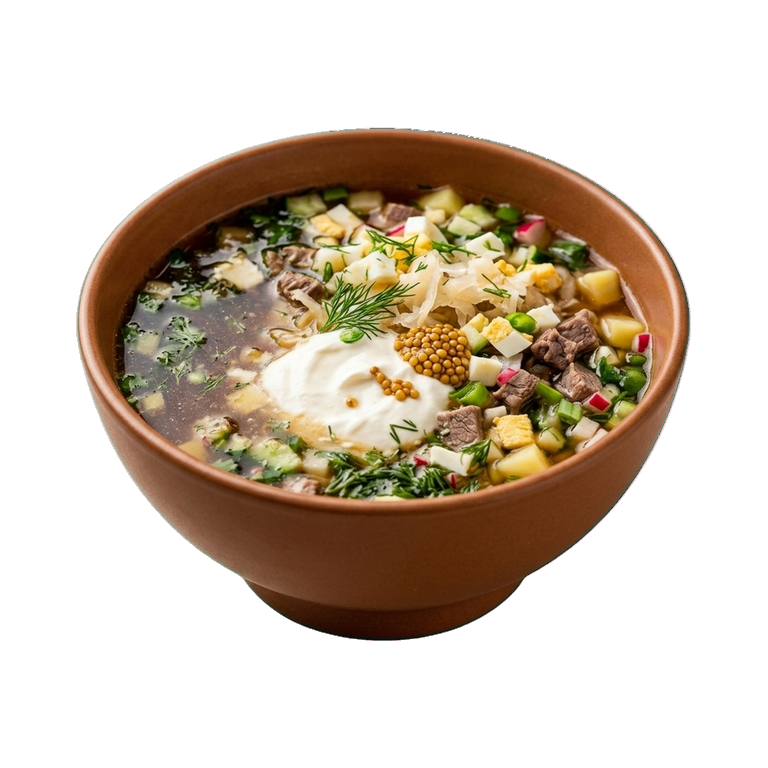
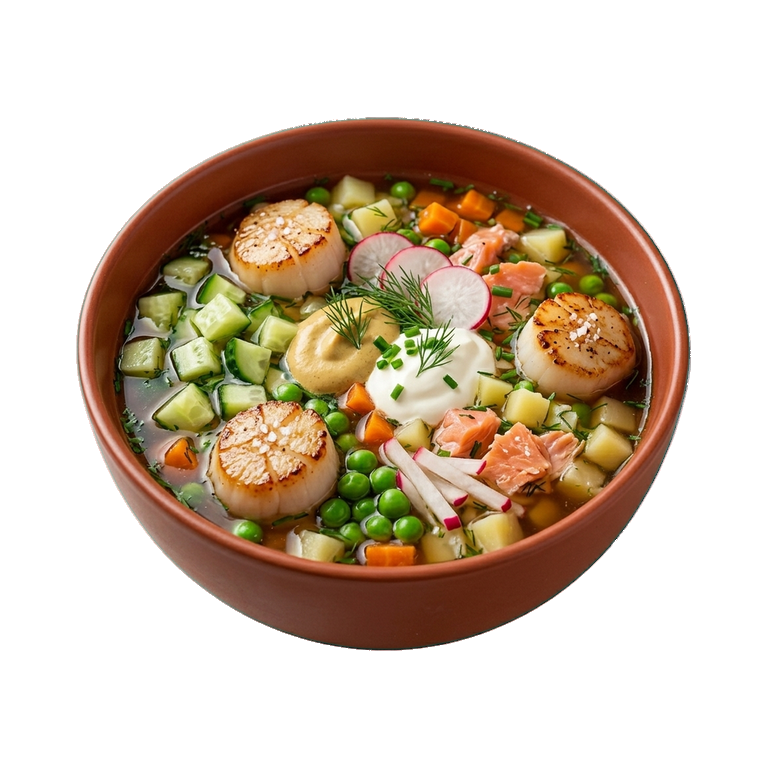
Kvass works in the kitchen as both an acidic agent and a flavoring. It is added to okroshka — where it serves as the base that unites vegetables, meat, and herbs into a whole. In soups and borscht, kvass brings a subtle acidity that doesn't overpower but enhances other ingredients. It works well in marinades for fish and meat: the acidity helps tenderize, while the aroma penetrates the fibers.
- In batter for pancakes or fritters, kvass adds fluffiness and a light bread flavor
- In baked goods (rye bread, kvasnik) — enhances fermentation and imparts a characteristic taste
- In sauces and gravies — creates acidity without vinegar's sharpness
- In fermented milk drinks and cocktails — adds complexity and liveliness
What goes well with
Kvass pairs well with ingredients that need acidity: sour cream, cucumbers, radishes, and young cabbage. It goes great with meat — especially beef and pork, where its acidity helps tenderize the fibers. Vegetables in kvass reveal themselves in a new way: beets become brighter, carrots sweeter, potatoes softer.
Herbs in kvass don't fade—dill, parsley, and sorrel sound even more expressive. Bread and bread products, of course, are natural companions. Fish in kvass becomes more tender, especially if it's fatty varieties. Avoid combining with very sour or spicy ingredients—kvass can get lost.
Selection and Storage
When choosing kvass, pay attention to the ingredients: the fewer additives, the better. Ideally, it should contain water, bread, yeast, and salt. If the ingredients include preservatives or flavor enhancers, it's not quite true kvass. Carbonated kvass stores better, but for cooking, sometimes you need live kvass without excess carbonation.
Store-bought kvass can be kept in the refrigerator for several months in a closed bottle. Homemade kvass is live — it continues to ferment, so it needs to be kept cold and consumed within a week or two. If you cook with kvass regularly, it's easier to buy it by the liter in a plastic bottle: it's cheaper and lasts longer. For delicate dishes like okroshka, it's better to choose a higher quality kvass with a bright flavor.
Kvass is an ingredient that works better the simpler it is to use. Don't be afraid to experiment: add it to soup instead of vinegar, knead it into dough, marinate meat with it. Its mild, bread-like character rarely spoils a dish, and most often makes it more interesting and lively.
Nutrition
per 100 ml
- Calories
- 27 kcal
- Protein
- 0.2 g
- Fat
- 0.1 g
- Carbs
- 5.2 g
Measures and weight
- 1 tbsp
- 15.5 g
- 1 tsp
- 5.2 g
- 1 cup
- 257.5 g
Measure calculator
- Weight
- 100 g
- Calories
- 26 kcal