Usuba
Usuba
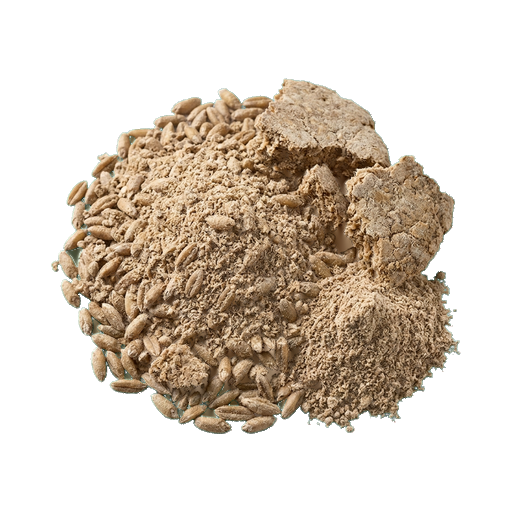
Rye Dry Starter
Rye dry sourdough starter is a dehydrated product made from a mixture of rye flour and lactic acid bacterial cultures that give the dough a characteristic sour taste and aroma. It is used for making rye bread and other baked goods, allowing you to achieve a fluffy structure and improved flavor without prolonged fermentation. When choosing, it is important to pay attention to the expiration date and storage conditions, as the activity of microorganisms decreases over time, and to activate the starter before use, it needs to be diluted with water and left to stand for several hours.
About
Rye dry starter is a concentrated bread starter that stores for months and is ready to work at any moment. When you dilute it with water, it awakens and begins fermentation, giving the bread a characteristic sour taste and porous structure. It is a convenient alternative to liquid starter, which requires constant feeding.
Aroma and Taste
Rye starter brings a deep, slightly sour flavor to the dough with pleasant bread notes. The aroma is more pronounced than in wheat bread — piquant and slightly tangy. The intensity of flavor depends on fermentation time: the longer the dough rests, the more sour the result becomes.
Role in Baking
Rye starter works as a leavening agent and preservative at the same time. Microorganisms in its composition leaven the dough, creating an open crumb, while the acids they produce improve bread storage and its digestive properties. The starter also enhances aroma and makes the crust darker and crispier.
How to use
- Dilute the starter with water (usually 1 part starter to 3–5 parts water) and let it sit for 4–8 hours at room temperature until it starts to bubble actively
- Use active starter in the recipe instead of yeast or together with it for a more complex flavor
- The ratio of starter to flour depends on the desired acidity: 10–20% gives a mild flavor, 30–50% — pronounced
- Suitable for rye, wheat and mixed bread, as well as for buns and flatbreads
Selection and Storage
When purchasing, pay attention to the packaging date — fresh starter culture works more actively. Dry starter culture should be crumbly, without lumps or foreign odors. It is stored in an airtight container at room temperature or in the refrigerator — the shelf life is usually 6–12 months. After opening the package, make sure the starter culture is completely dry before storage to avoid mold.
Practical Tips
- If the starter hasn't been used for a long time, give it two or three "training sessions" — feed it, wait for activity, discard, and repeat to restore its strength
- Warm water (25–28 °C) will speed up the starter's activation; cold water will slow down the process but give a more interesting flavor
- Mix rye starter with wheat flour — this will give better bread structure without excessive density
- For more sour bread, increase the dough fermentation time in the refrigerator to 12–24 hours
Nutrition
per 100 g
- Calories
- 330 kcal
- Protein
- 10 g
- Fat
- 1.5 g
- Carbs
- 68 g
Measures and weight
- 1 tbsp
- 7.5 g
- 1 tsp
- 2.5 g
- 1 cup
- 125 g
Measure calculator
- Weight
- 100 g
- Calories
- 330 kcal