Usuba
Usuba
Rye-wheat ciabatta
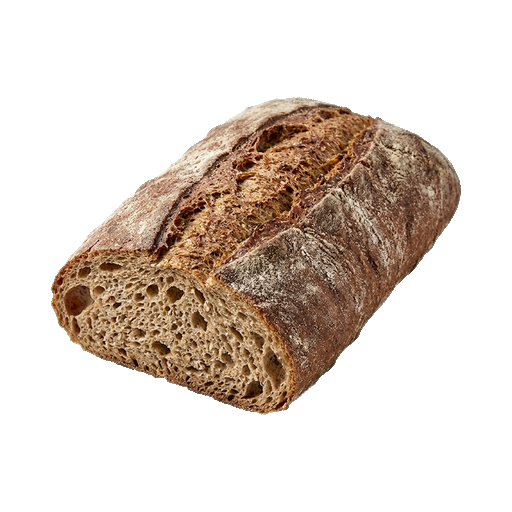
Bread with a characteristic porous structure, combining the tenderness of wheat flour with the deep, slightly tangy flavor of rye. Thanks to its high moisture content, the dough becomes soft and sticky, giving the finished bread an airy crumb with large irregular pores. Versatile for sandwiches, appetizers, and serving with soups, it absorbs sauces well and maintains freshness thanks to its rye component.
About
Rye-wheat ciabatta is a bread that combines the lightness of Italian ciabatta with the earthy depth of rye. This mix gives the bread an unusual character: it remains airy with a crispy crust, but acquires a more pronounced flavor and denser crumb. This is not just a bread for sandwiches — it is an ingredient that can change the perception of a familiar dish.
Taste and Aroma
Rye brings a soft bitterness and nutty notes to the bread, which don't overpower but complement the delicate wheat flavor. The crumb becomes slightly denser than classic ciabatta, but remains light and porous. The aroma is a blend of bread warmth with a barely noticeable sourness, which appears thanks to the fermentation of rye flour.
Where to use
- Sandwiches with butter and cheese — bread holds the filling thanks to its density, but doesn't become heavy
- Appetizers for first courses — crispy crust softens well in soup, and the flavor doesn't compete with the broth
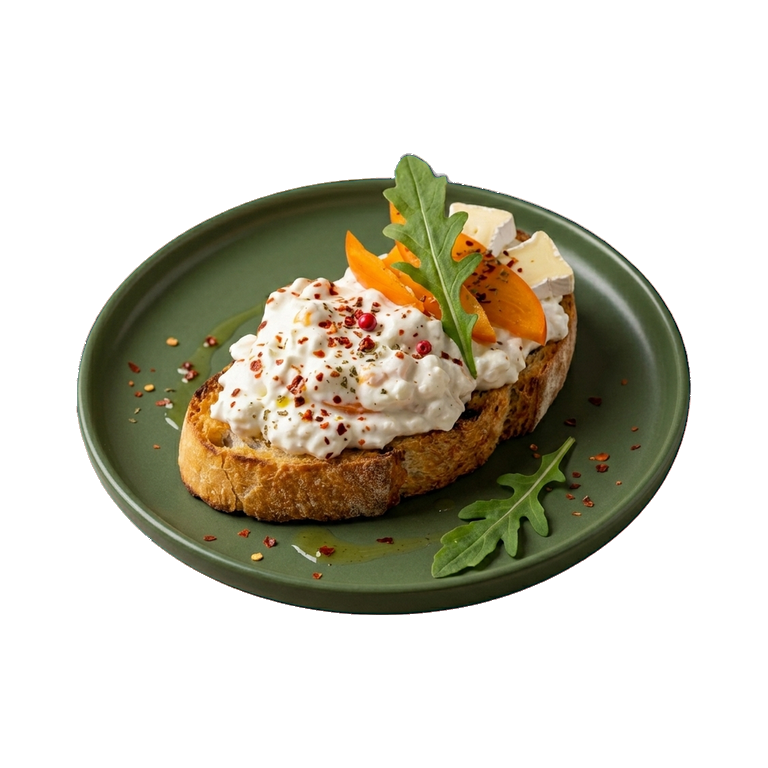
- Base for toast with avocado, tomatoes, or pâté — rye notes emphasize the vegetables
- Side dish for meat and fish dishes — earthy flavor balances rich sauces
- Panini and grilled sandwiches — when heated, the bread becomes crispy outside and soft inside
Combinations with other ingredients
Rye-wheat ciabatta works well with sharp and sour flavors: mustard, pickled vegetables, sour cheeses, smoked meats. The bread doesn't get lost next to intense spices; on the contrary, it complements them. With soft creamy fillings (butter, avocado, soft cheese) it creates a pleasant contrast.
Selection and Storage
When buying, pay attention to the crust — it should be crispy and dark, without cracks. The crumb should recover its shape with light pressure. Bread is best stored in a paper bag at room temperature, away from moisture. In the refrigerator it stales faster, but in the freezer it keeps well for up to two weeks. Before eating, frozen bread can be thawed at room temperature or lightly warmed in the oven.
Practical tip
If bread has become slightly stale, don't rush to throw it away. Lightly sprinkle it with water and heat it in the oven at 180 degrees for 5–7 minutes — the bread will regain its crispiness and softness. Dried bread pieces make excellent breadcrumbs or a base for panzanella salad.
Nutrition
per 100 g
- Calories
- 260 kcal
- Protein
- 8.5 g
- Fat
- 2 g
- Carbs
- 50 g
Measures and weight
- 1 slice
- 30 g
Measure calculator
- Weight
- 100 g
- Calories
- 260 kcal