Usuba
Usuba
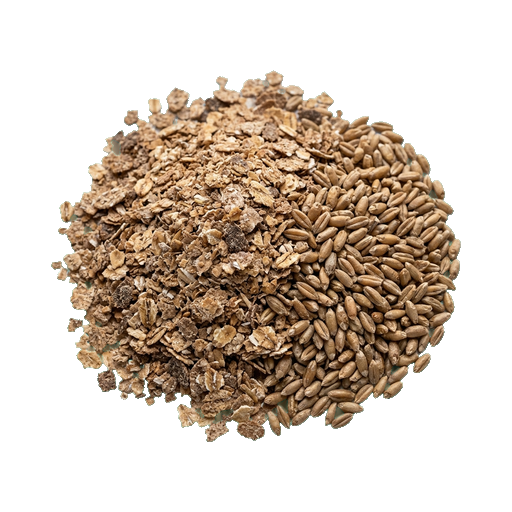
Rye bran
Rye bran is the outer layer of rye grain, rich in fiber and micronutrients. It has a dark color, coarse texture, and a slightly bitter, earthy taste. In cooking, bran is added to bread, cereals, and baked goods to increase nutritional value and improve digestion, but it's important to note that it absorbs moisture and requires increased liquid in the dough.
About
Rye bran is the outer shell of rye grain that remains after milling and flour separation. At first glance, it may seem like a modest by-product, but it is precisely here that a large portion of beneficial substances is concentrated. In cooking, it is not just a health supplement, but a full-fledged ingredient that changes the texture, taste, and nutritional value of a dish.
Taste and texture
Rye bran has a rich, slightly bitter taste with bread notes. The texture is loose, somewhat grainy, with noticeable shell particles. When you add it to dough or cereals, it doesn't dissolve completely, but creates a pleasant graininess. It's the sensation of a "living" ingredient that doesn't hide in the dish, but makes itself known.
Role in dishes
In baking, rye bran works differently depending on the amount. A small addition (10–20% of flour volume) enriches bread, cookies, and cupcakes, makes them more satisfying, and adds a characteristic rye aroma. A larger amount will require adjusting the liquid in the dough — bran absorbs moisture more actively than flour.
Beyond bread baking, bran is excellent in porridges, yogurts, smoothies, and even breadcrumbs. They add volume and fiber without significantly changing the flavor of the dish. Some chefs sprinkle them on baked vegetables or use them in homemade granola.
Selection and Storage
When purchasing, pay attention to the color — it should be brown or dark brown, without gray coating or lumps. The smell should be pleasant, bread-like, without mustiness. Feel the package: the bran should not clump together into dense lumps, it should remain crumbly.
Store rye bran in an airtight container in a cool, dry place. Due to the oil content in the grain husk, it can become rancid over time, so a refrigerator or freezer is an ideal option. Under such conditions, bran will retain its freshness for several months.
Practical Tips
- Start small — add 1–2 tablespoons to your usual dishes to get used to the taste and texture
- For bread or bun dough, soak the bran in warm water for 15–20 minutes before kneading — it will soften and distribute better
- When making cookies or cupcakes, reduce the flour by 15–20% to compensate for the moisture that the bran absorbs
- Rye bran pairs well with honey, berries, nuts, and spices like cinnamon or cardamom
Rye bran is not a trendy superfood, but a time-tested ingredient that helps make an ordinary dish more satisfying and interesting. It's easy to use, affordable, and truly improves the quality of baked goods and porridges. It's worth trying.
Nutrition
per 100 g
- Calories
- 220 kcal
- Protein
- 11 g
- Fat
- 3 g
- Carbs
- 32 g
Measures and weight
- 1 tbsp
- 5.3 g
- 1 tsp
- 1.8 g
- 1 cup
- 87.5 g
Measure calculator
- Weight
- 100 g
- Calories
- 220 kcal