Usuba
Usuba
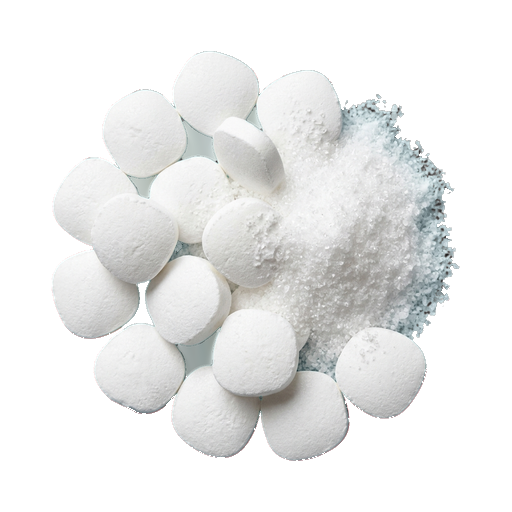
Saccharin
A synthetic sweetener, 300–500 times sweeter than sugar, with a characteristic metallic or slightly bitter aftertaste. Used in beverages, confectionery, and canned products, but requires careful dosage control — excess will ruin the taste of the dish. When replacing sugar with saccharin, keep in mind that it does not create bulk in dough and does not participate in caramelization, so baking recipes may require adjustment.
About
Saccharin is a synthetic sweetener that is 300–500 times sweeter than regular sugar. It is a white crystalline odorless powder that dissolves in water and alcohol. In cooking, it is used as a sugar substitute to reduce the calorie content of dishes, especially in diet and low-calorie recipes.
Taste and characteristics
Saccharin provides intense sweetness, but many notice a slight metallic or bitter aftertaste, especially if you use too much. This taste "trail" is the main reason why saccharin is often combined with other sweeteners or masked in complex recipes. When heated, it remains stable and doesn't lose its sweetness, making it convenient for baking and hot beverages.
Where and how to apply
- Beverages and compotes — a few crystals completely sweeten a glass of liquid
- Baking and desserts — added to dough, creams and glazes, but often combined with sugar for taste balance
- Preserving — used instead of sugar when preserving berries and fruits
- Dietary dishes — the main choice for low-calorie menus and for carbohydrate restrictions
Dosage and Calculations
Since saccharin is 300–500 times sweeter than sugar, only very small amounts are needed. Typically, 1 gram of saccharin replaces approximately 300 grams of regular sugar. Start small — add a quarter teaspoon to your drink and adjust to taste. In baking, excess will lead to bitterness, so it's better to follow the recipe or mix with other sweeteners.
Selection and Storage
Saccharin is sold in the form of tablets, powder, or liquid solution. Tablets are convenient for beverages, powder — for baking and cooking. Check the expiration date and make sure the packaging is airtight. Store in a dry place at room temperature, away from moisture — saccharin is hygroscopic and may clump together.
Saccharin is not a universal sugar substitute. It works well for calorie control, but in some dishes its flavor profile may be noticeable. Experiment with the amount and combinations with other sweeteners to find the perfect balance for your recipe.
Nutrition
per 100 g
- Calories
- 0 kcal
- Protein
- 0 g
- Fat
- 0 g
- Carbs
- 0 g
Measures and weight
- 1 tbsp
- 24 g
- 1 tsp
- 8 g
- 1 cup
- 400 g
Measure calculator
- Weight
- 100 g
- Calories
- 0 kcal