Usuba
Usuba
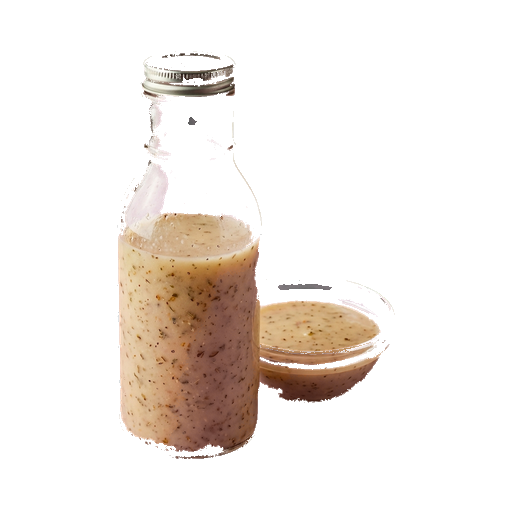
Salad dressing
Salad dressing is a ready-made mixture of oil, vinegar, or lemon juice combined with seasonings and emulsifiers that adds vibrant flavor to salads and binds ingredients together. It can be used as-is or as a base for your own custom combination by diluting it or adding extra spices. When choosing a dressing, pay attention to the ingredients — prefer dressings made with natural components and minimal preservatives. Store them in a cool place, as oil can oxidize over time.
About
Salad dressing is not just a sauce, but a foundation that brings together disparate ingredients into a single dish. A good dressing awakens the taste of vegetables, softens the bitterness of greens, and creates the right consistency. It can be sharp or delicate, light or rich — it all depends on what result you want to achieve on your table.
Taste and Aroma
A classic salad dressing is built on a balance of acidity, fat, and spices. Acidity—usually vinegar or lemon juice—awakens the taste buds and refreshes. Oil creates smoothness and coats the vegetables, allowing them to better absorb flavor components. Mustard, garlic, herbs, and spices add character and depth.
A finished dressing can smell of fresh herbs, garlic, mustard, or even honey — it all depends on the recipe. Some versions are delicate and barely noticeable, while others are so expressive that they become the star of the dish.
Where and how to use it
Salad dressing works everywhere you need moisture and flavor. Vegetable salads are the most obvious use, but not the only one. It's great for marinating meat before frying, for drizzling over warm side dishes, for dressing grain mixes, and even for softening dry bread in panzanella.
- Green salads with tender leaves — need a light dressing to avoid crushing the greens
- Dense vegetables (tomatoes, cucumbers, radishes) — a thicker and spicier dressing works better
- Grain salads and legumes — require a dressing with character that can stand up to the competition
- Warm dishes — dressing is absorbed better and reveals its full flavor
Combinations with other ingredients
A sharp dressing with mustard and garlic pairs well with meat salads, fried vegetables, and cheese. A honey or slightly sweet version goes well with carrots, beets, nuts, and goat cheese. An herbal dressing with basil or dill is perfect for tomatoes, cucumbers, and light fish dishes.
If the salad already has strong flavors — smoked meat, spicy seasonings, sour pickled vegetables — the dressing should be more neutral and mild to avoid creating a flavor cacophony.
Selection and Storage
Ready-made salad dressings are convenient, but homemade ones are always tastier and fresher. If you choose a store-bought option, check the ingredients: the fewer thickeners and preservatives, the better. Check the expiration date and storage conditions — some dressings require refrigeration even when sealed.
Homemade dressing is best prepared immediately before serving or a few hours before. If it is made with oil and acid without an emulsifier, it should be shaken well before use — the layers will separate. Such dressing can be stored in the refrigerator for up to a week, but the oil may thicken; allow it to warm to room temperature before using.
If the dressing contains fresh herbs, garlic, or yogurt, use it within two to three days. Creamy dressings based on mayonnaise or sour cream require stricter adherence to storage times — do not leave them at room temperature.
The golden rule: the dressing should complement the salad, not overpower it. Start with a smaller amount, taste it, and then add more if needed. It's easier to overdo the dressing than to fix an over-salted or over-soured salad.
Measure calculator
- Weight
- 100 g