Usuba
Usuba
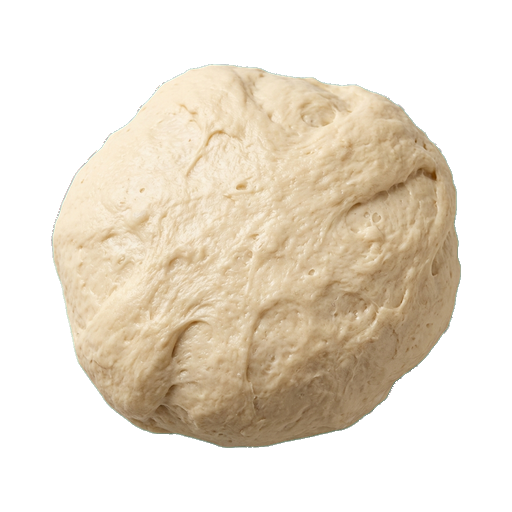
Enriched yeast dough
Rich yeast dough is a soft, fluffy dough enriched with eggs, butter, and milk, which gives finished products a tender crumb and slightly sweet taste. Thanks to its high fat and egg content, it stales more slowly and rises well, making it ideal for buns, kulich, sweet rolls, and sweet pies. When kneading, it's important to maintain the milk temperature and add soft butter gradually so the dough doesn't become greasy and sticky; if it's too wet, you can adjust it with a small amount of flour.
About
Rich yeast dough is the foundation for the most festive baked goods: kulich cakes, buns with raisins, sweet rolls, and pastries. Its main feature is that in addition to yeast and flour, eggs, butter, and milk work here, which make the crumb tender, moist, and resistant to staling for a long time. Such dough requires patience — it rises more slowly than ordinary bread dough, but the result is worth it.
Taste, aroma and consistency
The finished dough has a soft, almost silky consistency — it sticks to your hands but doesn't spread. When kneading, you can feel the sweetness from sugar and milk, and the smell becomes yeasty with milky notes. After proofing and baking, the buns emit a characteristic sweet aroma with vanilla and buttery undertones. The taste of the crumb is delicate, slightly sweet, crumbly but not airy — denser than regular bread.
Where and how to use it
- Kulich and Easter buns — a classic use, especially with dried fruits and candied peels
- Cinnamon, poppy seed, or chocolate buns — sliced sweet pastries for tea
- Plushki and puff pastries — when dough is rolled out, filled, and rolled up
- Donuts and sweet pies — dough holds its shape well when frying
- Sweet rose buns and braids — decorative pastries for a festive table
Key highlights when working
Rich dough is kneaded in stages: first, flour is combined with yeast and warm milk, allowed to rise slightly, then eggs and softened butter are added. The butter is introduced in small pieces so it distributes evenly. The first proofing takes 1.5–2 hours, the second after shaping — another 1–1.5 hours. The dough should increase by approximately one and a half times, but not over-proof, otherwise the buns will turn out crumbly and fall apart.
What to add and how to combine
- Dried fruits and candied fruits — raisins, apricots, cherries, orange zest
- Spices — cardamom, cinnamon, vanilla, nutmeg add depth to the dough
- Fillings — cottage cheese, jam, chocolate, nuts, poppy seeds, condensed milk
- Toppings — sugar sprinkles, sugar syrup, glaze, ground nuts
- Flavorings — lemon or orange juice, rum, brandy (a little so as not to interfere with the yeast)
Selection of ingredients and storage
For rich dough, you need flour with good gluten content (bread flour or all-purpose), fresh yeast or active dry yeast, eggs at room temperature, and high-quality butter. It's best to use whole milk, slightly warmed. Ready dough can be stored in the refrigerator for up to a day under plastic wrap — it will rise more slowly, which is convenient for planning. Finished baked goods stay soft for 2–3 days in an airtight container and keep longer in the freezer.
Main rule: don't rush. Sweet dough loves slow proofing at room temperature — this way it develops the best flavor and structure compared to accelerated methods.
Nutrition
per 100 g
- Calories
- 330 kcal
- Protein
- 7.5 g
- Fat
- 12 g
- Carbs
- 48 g
Measure calculator
- Weight
- 100 g
- Calories
- 330 kcal