Usuba
Usuba
Sea cabbage
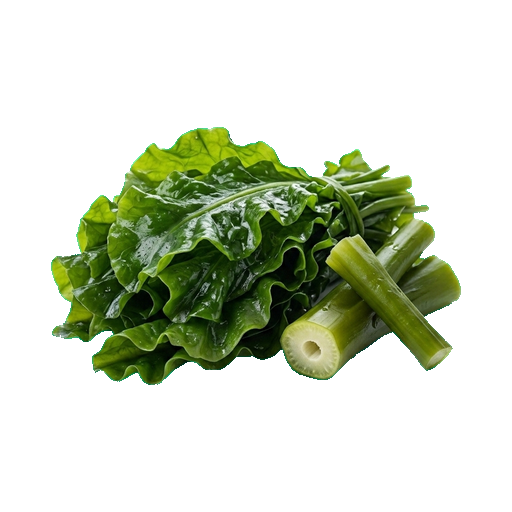
Sea kale is edible seaweed rich in iodine, minerals, and B vitamins. It's used in Asian cuisine for soups, salads, and side dishes, as well as added to appetizers and rolls. When selecting, pay attention to uniform dark green or black color, and before use, soak in cold water for 15–20 minutes to restore texture and remove excess salt.
About
Sea kale is not a vegetable from a garden, but a brown algae that grows in cold seas. In cooking, it is valued for its unusual mineral taste, crispy texture, and ability to complement both simple appetizers and complex dishes. If you are just getting acquainted with this ingredient, start with the canned version in jars — it is already ready to use and does not require lengthy preparation.
Taste and Aroma
Sea kale has a pronounced iodine, briny taste with a slight sweetness. The aroma resembles a sea breeze — fresh, slightly herbaceous. This expressiveness makes it an ideal seasoning for dishes that lack depth and saltiness. Canned kale is usually already salted and dressed with oil, so take this into account when adding it to a dish.
Where to use
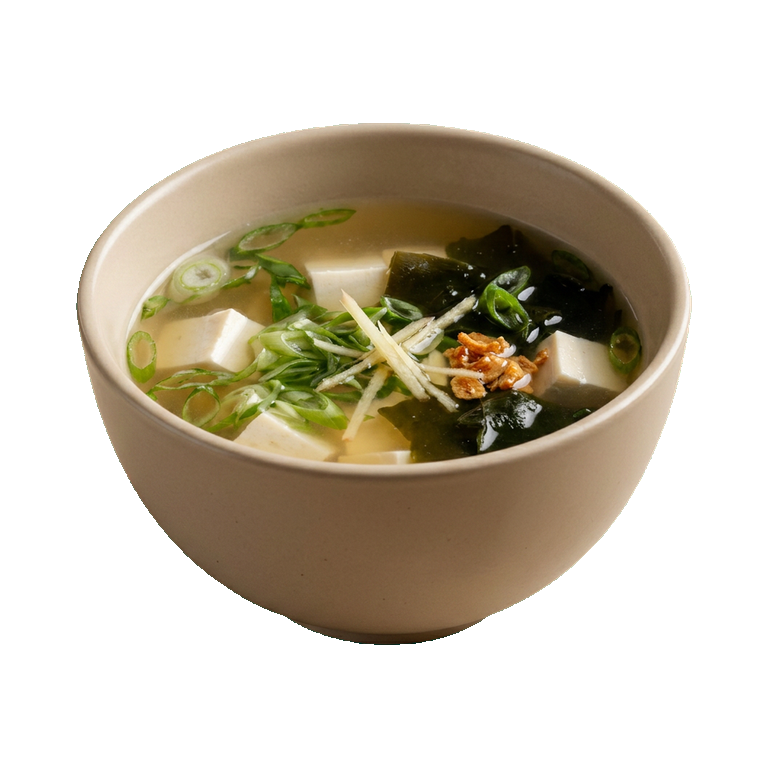
Sea kale is great in salads — it adds an interesting texture and doesn't require cooking. It is served as a standalone appetizer with oil and vinegar, added to sushi rolls, mixed with rice as a side dish, put in omelets and casseroles. Dried sea kale goes into soups and broths, giving them iodine and minerality. Try adding a little to mashed potatoes or cream soup for an unexpected seafood accent.
Pairings with other ingredients
- Vinegar and lemon emphasize the seafood flavor and add tartness
- Sesame and ginger create an Asian flavor profile
- Garlic and hot pepper enhance the piquancy
- Avocado and cucumber soften the saltiness and add freshness
- Rice and seafood — a classic combination for oriental dishes
How to Choose and Store
When choosing canned seaweed, pay attention to the color — it should be dark green or brownish, without any gray coating. Check the packaging date and make sure the can is not swollen. Dried seaweed should be whole, without crumbs at the bottom of the package. Store an opened can in the refrigerator in a glass container for no more than a week. Keep dried seaweed in a sealed container in a cool, dry place — it can last for several months.
If sea kale seems too salty or strongly iodine-flavored to you, soak it briefly in cold water to mellow the taste. Start with small amounts — this ingredient works as a seasoning, not as the base of a dish. Over time, you'll find your own measure and understand which dishes sea kale enhances the most.
Nutrition
per 100 g
- Calories
- 49 kcal
- Protein
- 0.9 g
- Fat
- 0.2 g
- Carbs
- 9 g
Measure calculator
- Weight
- 100 g
- Calories
- 49 kcal