Usuba
Usuba
Seafood
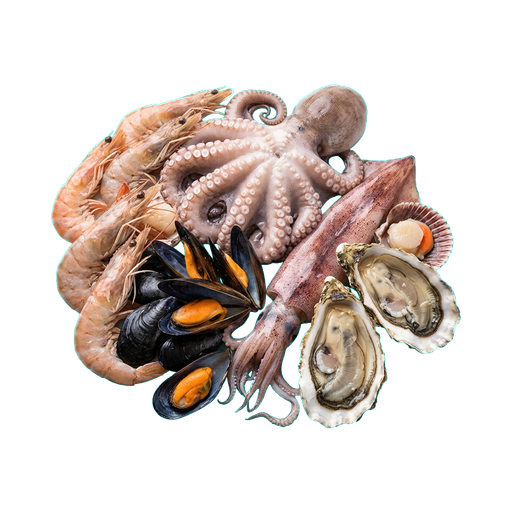
Seafood comprises edible organisms harvested from seas and oceans: squids, octopuses, shrimp, mussels, oysters, sea urchins, and other mollusks and crustaceans. They are characterized by a delicate texture, pronounced marine aroma, and briny flavor, cook quickly, and absorb seasonings well. When selecting, it is important to ensure freshness — live or chilled seafood should have a clean sea smell without ammonia notes, while frozen seafood is best used immediately after thawing to preserve its texture.
About
Seafood is not only a delicacy for a festive table, but also a practical ingredient for everyday cooking. They cook quickly, pair well with simple sauces and vegetables, and their nutritional value makes them indispensable in a healthy diet. Each type requires its own approach: squid prefers brief cooking, oysters are best enjoyed raw, and shrimp forgive slight overcooking.
Taste and Aroma
The flavor spectrum of seafood is much broader than it appears at first glance. Shrimp offers a slightly sweet, almost nutty taste. Squid is neutral but absorbs surrounding aromas — garlic, lemon, spices. Mussels and oysters carry the saltiness and minerality of seawater, sometimes with a slight sweetness. Octopus has a denser texture and a more pronounced seafood flavor.
Fresh seafood smells like the sea, but not sharply — rather it's a clean, pleasant smell of seaweed and salt. If the smell is ammonia-like or unpleasantly fishy, it's a sign of staleness. When boiled or fried, the aroma becomes more intense, especially if white wine or lemon is added.
How to cook and what to pair with
- Shrimp: boil for 3–5 minutes, fry over high heat for 2–3 minutes. Delicious with garlic, butter, lemon, and hot spices.
- Squid: cut into rings, fry on a hot skillet for 1–2 minutes or boil in boiling water for 3–5 minutes. Overcooking makes them rubbery.
- Mussels and oysters: mussels are boiled in white wine for 5–7 minutes until shells open. Oysters are eaten raw with lemon or served warm with butter.
- Octopus: requires long boiling (40–60 minutes) until tender, then slice and fry or add to salads.
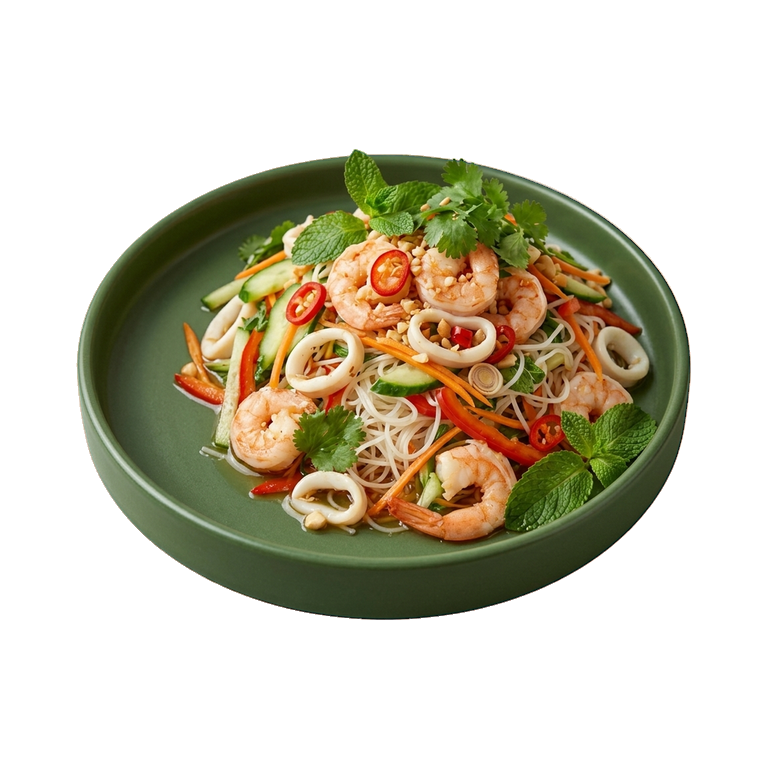
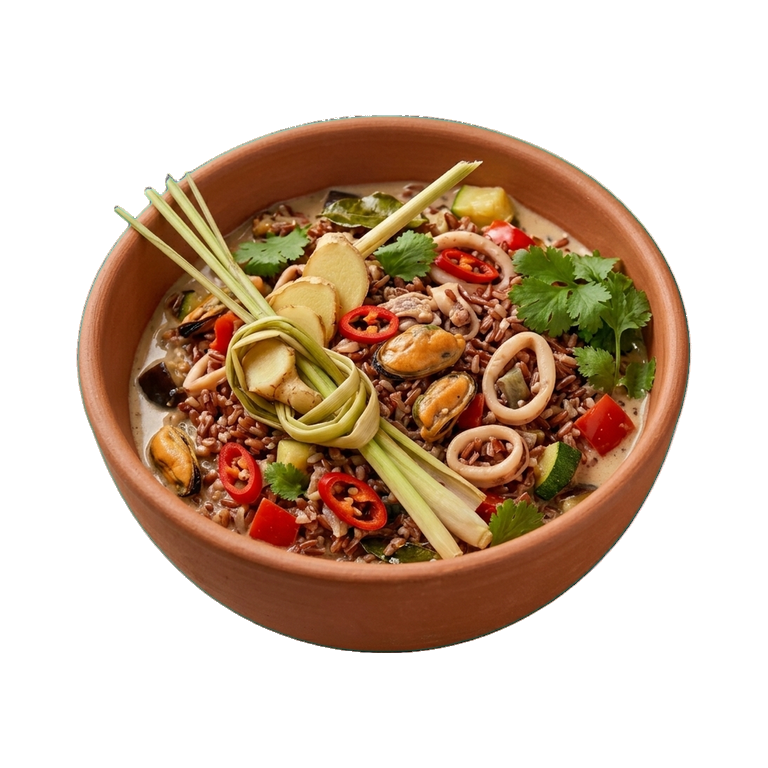
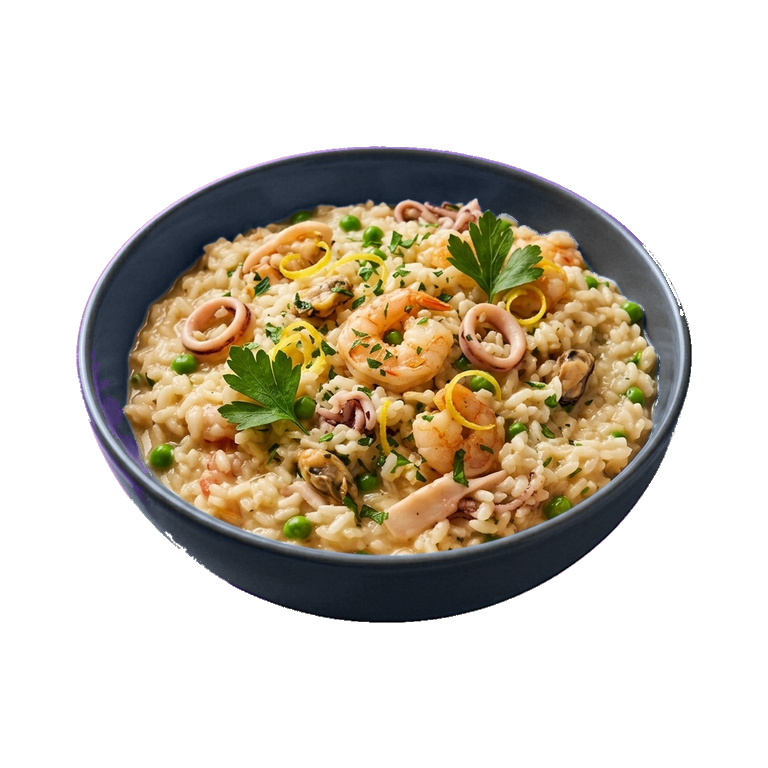
Seafood is versatile in combinations. It pairs well with tomatoes, basil, and olive oil in Mediterranean style. With ginger, soy sauce, and sesame, they create Asian dishes. With garlic, parsley, and white wine, you get a classic European combination. Pasta, risotto, salads, soups, side dishes for fish — seafood fits everywhere.
Selection and Storage
When buying, pay attention to appearance: shrimp should be shiny, without dark spots, mussels and oysters — tightly closed or snapping shut when touched. The smell should be fresh and pleasant, without any chemical odor. Frozen seafood is a good choice if frozen properly (without ice coating and crystals).
- Fresh seafood is stored in the refrigerator for a maximum of 1–2 days in the coldest part, in an airtight container or on ice.
- Frozen seafood is kept in the freezer for up to 3 months in the original packaging.
- Thaw in the refrigerator overnight, not at room temperature — this will preserve the texture and taste.
Seafood is an investment in the quality of a dish. It doesn't require complex preparation, cooks in minutes, and transforms a simple dinner into an event. The main thing is not to be afraid to experiment and remember: it's better to undercook than to overcook.
Nutrition
per 100 g
- Calories
- 80 kcal
- Protein
- 16 g
- Fat
- 1 g
- Carbs
- 1 g
Measure calculator
- Weight
- 100 g
- Calories
- 80 kcal