Usuba
Usuba

Sherry
A fortified Spanish wine with a rich amber or dark color and complex flavor featuring notes of nuts, caramel, and dried fruits. In cooking, it's used for deglazing pans, preparing sauces for meat and fish, making marinades and desserts — its sweetness and depth of flavor add elegance and roundness to dishes. When selecting, pay attention to the alcohol content and sweetness: dry sherry is suitable for main courses, while sweet sherry is ideal for desserts and aperitifs.
About
Aroma and Taste
Sherry is a fortified wine with character. Depending on the style, it can range from completely dry and mineral to sweet and honeyed. Young versions offer notes of flowers and green apple, while aged versions develop deep tones of nuts, caramel, and dried fruits. The alcohol content is usually 15–22%, which makes it noticeable in the drink, but not aggressive.
An interesting feature of sherry is that its taste is not static. Open a bottle, pour it into a glass — and the wine will unfold over the course of an hour, revealing new facets. This makes it an excellent companion for long dinners and contemplation of what exactly you feel in each sip.
Role in cooking
Sherry is a universal helper in the kitchen. It is added to sauces for meat and fish, it adds depth to soups and stews, and works well in marinades. The acidity and strength help reveal the flavors of other ingredients, while the sweetness balances saltiness and bitterness.
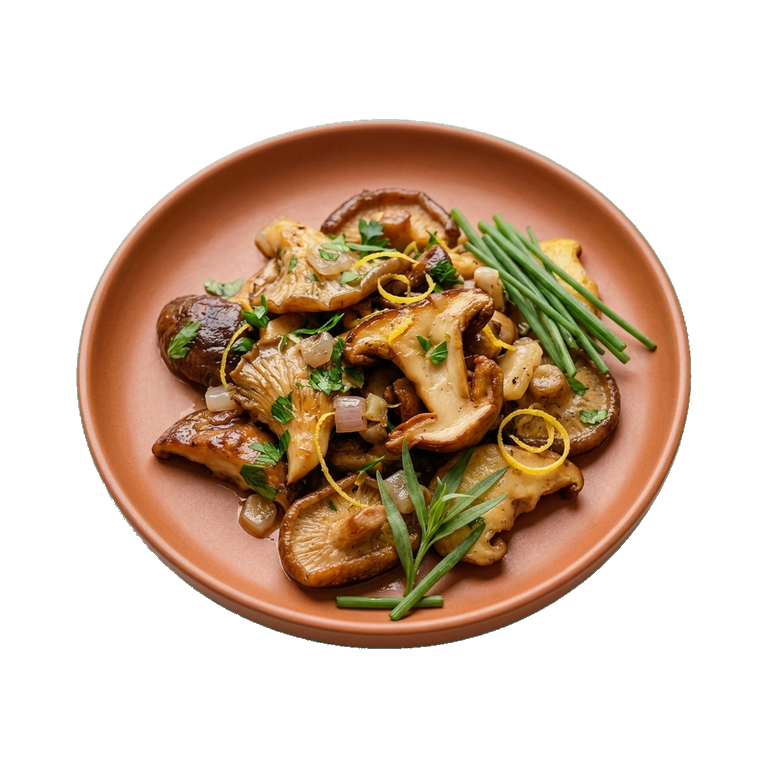
- Dry sherry goes well in vegetable and meat sauces, in dishes with mushrooms
- Semi-sweet is suitable for glazing duck, chicken, pork
- Sweet sherry is appropriate in desserts, in sauces for sweet dishes, in panna cotta
- Any sherry will enhance cream soups, rice and pasta dishes, stewed vegetables
The main rule: add sherry at the beginning of cooking so the alcohol evaporates and the flavor remains. Even a tablespoon can transform a dish without overcomplicating it. There's no need to pour generously — sherry works subtly.
Pairings and Harmonies
Sherry easily finds common ground with other ingredients. It enhances umami in mushrooms and meat broths, gently complements spices, and doesn't conflict with garlic and onions. Works well alongside game, seafood, and blue cheese.
- With seafood: shrimp, mussels, octopus
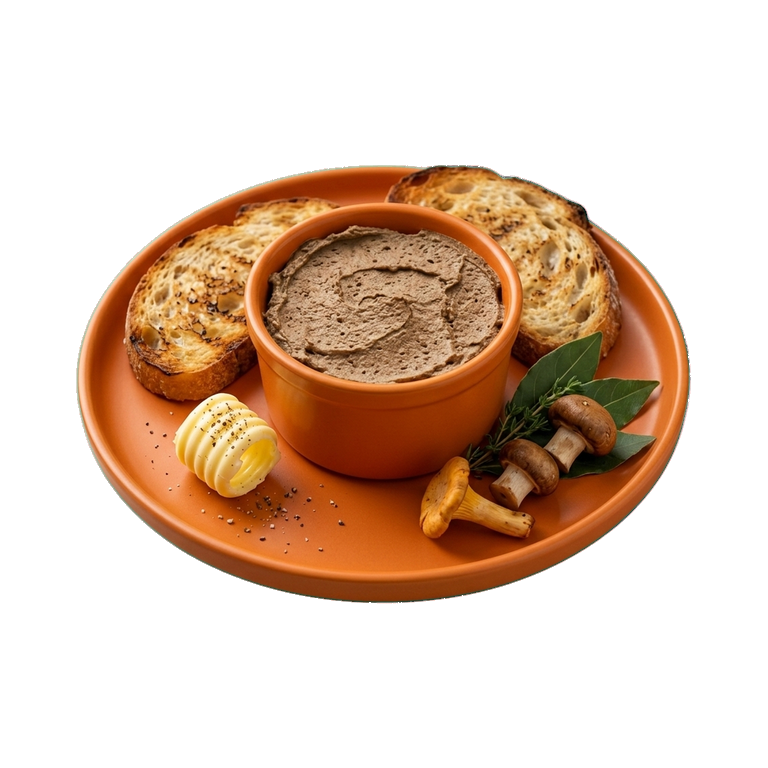
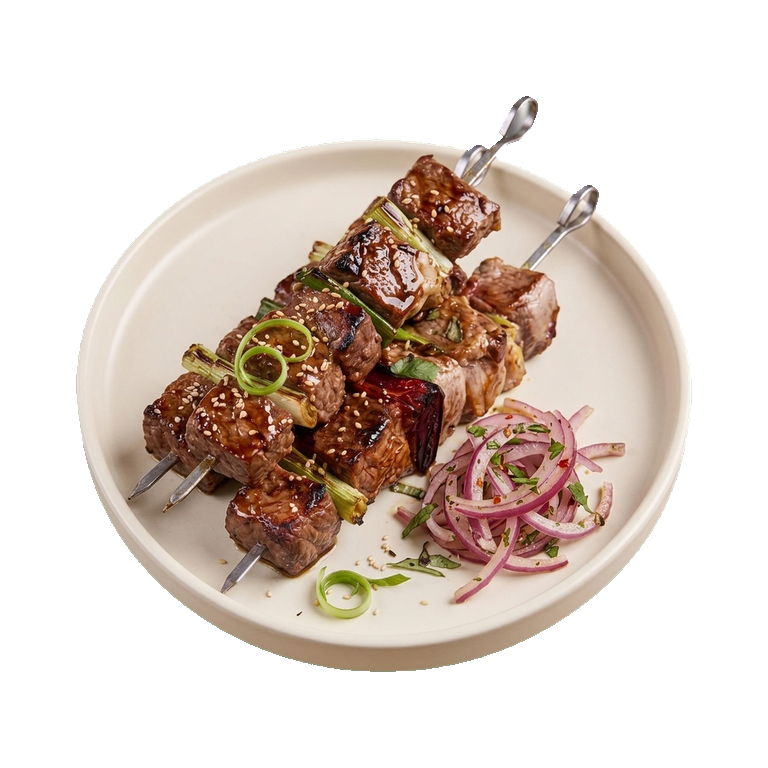
- With meat: beef, duck, game, liver
- With vegetables: mushrooms, tomatoes, shallots, celery
- With spices: black pepper, thyme, bay leaf, nutmeg
Selection and Storage
Choose sherry based on its purpose. For cooking, a dry or medium-sweet sherry in the mid-price range will do fine — there's no need to buy premium versions if the wine will be heated. For drinking, choose what you like to taste: start with medium-sweet if you're unsure. Check the label: it should indicate which style it is (fino, amontillado, oloroso, and so on).
An open bottle of sherry can be stored in a cool place for several weeks — the wine is resilient due to its alcohol content. Keep a closed bottle in a dark corner at room temperature or slightly cooler. No special conditions like horizontal positioning are needed: sherry doesn't require the same care as delicate red wines.
If you bought sherry for cooking and it's left over, don't rush to throw it away. After a week or two, open the bottle and try it as a drink — it's quite possible that you'll enjoy it.
Nutrition
per 100 ml
- Calories
- 68 kcal
- Protein
- 0.1 g
- Fat
- 0 g
- Carbs
- 1.4 g
Measures and weight
- 1 tbsp
- 14.3 g
- 1 tsp
- 4.8 g
- 1 cup
- 237.5 g
Measure calculator
- Weight
- 100 g
- Calories
- 72 kcal