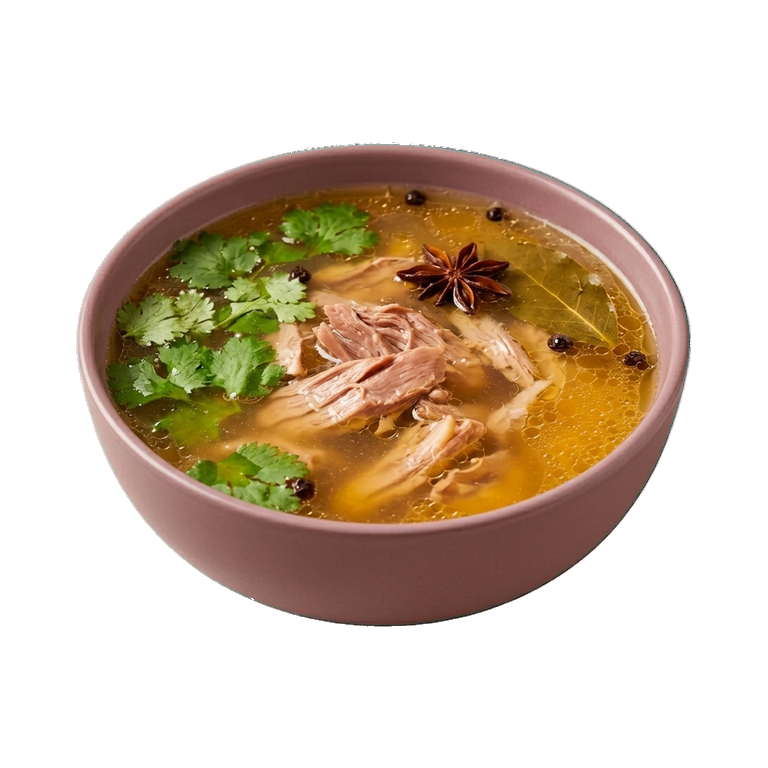
Usuba
Usuba
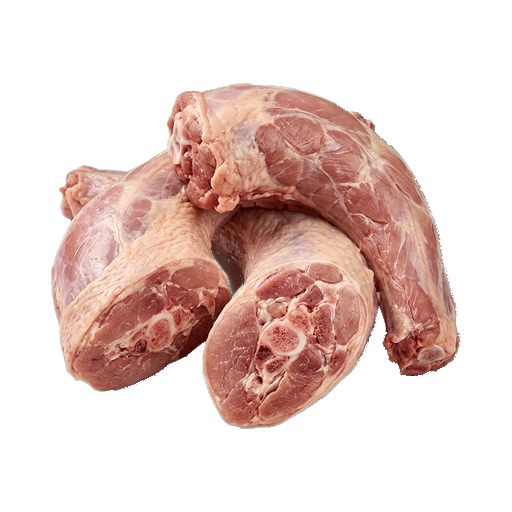
Turkey neck
Turkey neck is a cut from the carcass with tender meat that is ideal for long braising and simmering. The meat is rich in collagen, so with proper preparation it becomes soft and juicy, and the broth acquires a rich flavor. This cut is used for soups, stews, and aspics; it absorbs spices and sauces well, though it requires sufficient cooking time.
About
Turkey neck is a part of the carcass that often remains in the shadow of popular fillet cuts, but it possesses amazing potential. This meat has a high content of connective tissue and collagen, making it ideal for prolonged heat treatment. When you cook the neck properly, it becomes tender and juicy, and the broth made from it turns out rich and aromatic.
Taste and Aroma
Turkey neck has a more pronounced, deeper flavor compared to turkey breast. This is due to the higher amount of fat and connective tissue, which release their aroma during cooking or stewing and create a thick, enveloping consistency. The meat has a slightly more intense taste than chicken neck, with a pleasant gamey note.
How to use in the kitchen
- Broth and soup — a classic use. Simmer the neck for 2–3 hours over low heat, and you'll get a rich broth with a gelatinous consistency, perfect for soups and sauces.
- Braising — the neck works wonderfully in braised dishes with vegetables, red wine, or tomato. The meat becomes tender and absorbs the flavors of spices.
- Stew and rassolnik — the dense meat holds its shape during long cooking and doesn't fall apart into mush.
- Ground meat — the neck can be passed through a meat grinder for cutlets, meatballs, or fillings.
- Aspic — the high collagen content makes the neck an ideal choice for homemade aspic or jellied meat.
Cooking Tips
Before boiling or stewing, soak the neck in cold water for 30–40 minutes to remove blood and impurities. This will help you get a clearer broth. Don't rush the temperature — low heat and a long cooking time (from one and a half hours) — are your main helpers. If you're making soup, skim off the foam in the first 10–15 minutes of cooking.
What goes well with
- Carrots, celery, onions — a classic aromatic base for broth.
- Herbs: thyme, bay leaf, rosemary — enhance the meaty flavor.
- Red wine, tomato paste — add depth to braised dishes.
- Black pepper, cloves, cinnamon — spices for stews and aspic.
- Potatoes, buckwheat, pearl barley — grains and vegetables that absorb broth well.
Selection and Storage
When purchasing, pay attention to the color of the meat — it should be pink or light brown, without gray spots. The smell should be fresh, without sourness. If the neck is vacuum-sealed, check the production date and expiration date. Fresh neck should be used within 2–3 days, but it can be easily frozen for 2–3 months without loss of quality.
Turkey neck is a part of the carcass that requires time and patience, but generously rewards you with rich flavor and tender texture.
Nutrition
per 100 g
- Calories
- 150 kcal
- Protein
- 18 g
- Fat
- 8 g
- Carbs
- 0 g
Measure calculator
- Weight
- 100 g
- Calories
- 150 kcal