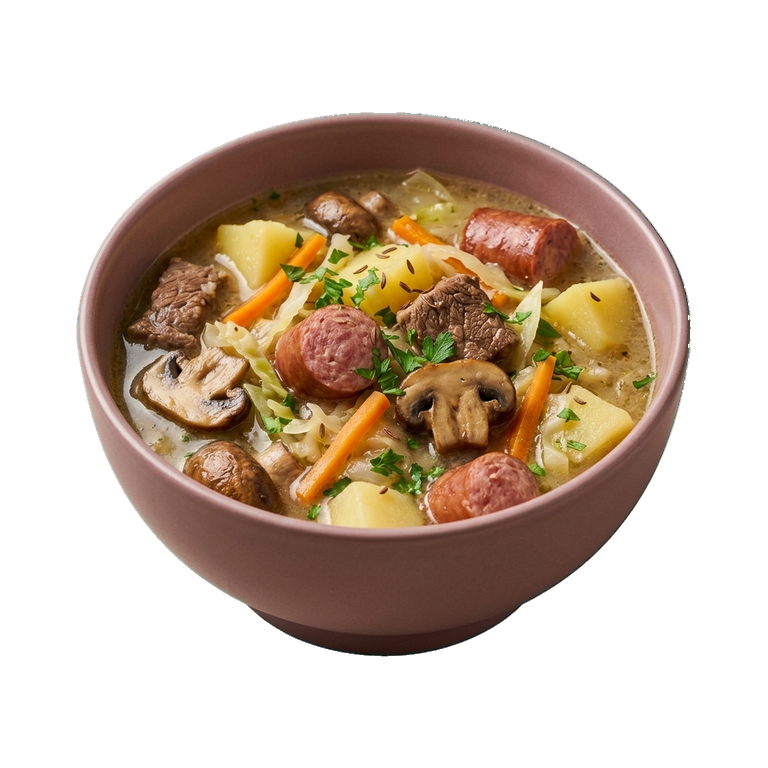
Usuba
Usuba
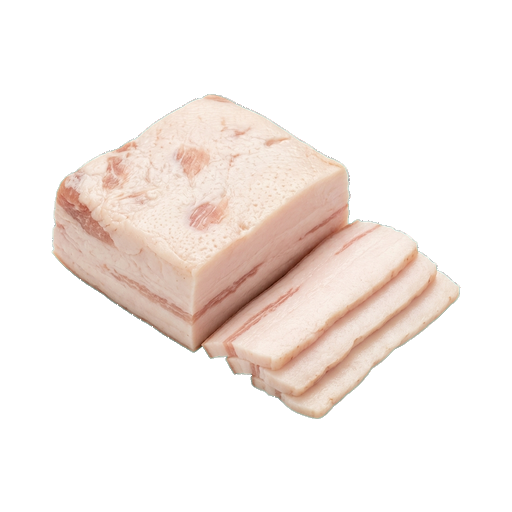
Lard
Lard is a layer of subcutaneous fat, usually cut from the back of pork. It is characterized by a dense structure and clean fatty flavor, often used sliced thin and served cold or added to ground meat mixtures to provide juiciness and richness. When selecting, look for lard with a white or light pink color, without odor or blemishes; store it in the freezer to keep it firm and easy to slice.
About
Salo is salted or smoked pork fat, sliced into thin strips or cubes. In cooking, it is not just an appetizer, but a functional ingredient that adds depth of flavor and aids in cooking. Its richness and intense taste make it useful in a wide variety of dishes — from soups to meat pâtés.
Aroma and Taste
The taste of lard depends on the processing method. The salted version gives a clean, sharp fatty flavor with good saltiness — you want to have it with black bread. Smoked lard acquires a dark, smoky tone with a slight bitterness. Quality lard has a tender, almost buttery texture that melts on the tongue rather than crumbles.
Role in Dishes
- In borscht and cabbage soup — added finely chopped to render fat and flavor, creating a rich broth
- In pâtés and liver sausages — binds ingredients and makes the consistency tender
- In fillings for dumplings and varenyky — adds juiciness and prevents drying out
- In potato and grain side dishes — lard crumbles enrich the flavor of simple dishes
- As an independent appetizer — sliced thinly, served with mustard and bread
Selection and Storage
When selecting, pay attention to the color — it should be light pink or light yellow, without gray spots or dark areas. The smell should be pleasant, salty or smoky depending on the processing, without mustiness. The cut should be dense, not crumbly — this is a sign of freshness.
Store lard best in the refrigerator, wrapped in parchment or foil so it doesn't absorb foreign odors. Smoked lard lasts longer — 2–3 weeks, salted — about two weeks. You can freeze it, but it's better to use it within a month, otherwise it loses its tenderness. Before using, let it thaw a bit at room temperature so the flavor opens up fully.
Pairings
- Hot dishes: borscht, cabbage soup, potato soups, rassolnik
- Meat dishes: pâtés, sausages, ground meat for cutlets and rolls
- Vegetable side dishes: potatoes, cabbage, lentils, beans
- Appetizers: with black bread, mustard, pickled cucumbers
If a dish seems bland but you've already added salt, try adding a small amount of finely chopped bacon instead of extra salt — it will add depth without excessive saltiness.
Nutrition
per 100 g
- Calories
- 896 kcal
- Protein
- 2.4 g
- Fat
- 99.6 g
- Carbs
- 0.1 g
Measures and weight
- 1 slice
- 20 g
Measure calculator
- Weight
- 100 g
- Calories
- 896 kcal