Usuba
Usuba
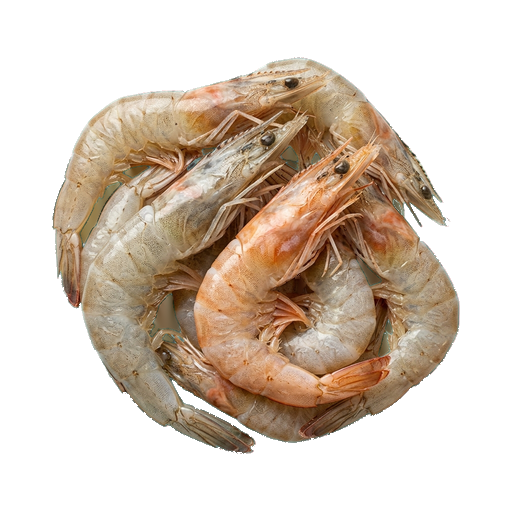
Shrimp Shells
Shrimp shells are hard outer coverings left after peeling shrimp, which are actively used for making broths, sauces, and stocks. They contain collagen and minerals that give the broth a rich seafood flavor and a gelatinous consistency when cooked. When selecting shells, prefer fresh or high-quality frozen samples without any off-odors, and for best results, lightly toast them in a dry pan beforehand — this will enhance the depth and complexity of the finished broth's flavor.
About
Shrimp shells are not waste, but a valuable ingredient that is often discarded unnecessarily. Beneath the hard exterior lies an intense sea aroma and a whole spectrum of flavor notes that professional chefs use to create broths, sauces, and stocks. If you've ever tasted a truly deep, rich shrimp soup or sauce — know that its foundation was made from these very shells.
Taste and Aroma
Shells concentrate all the sea sweetness of shrimp, but in a more expressive form. When boiled, they release mineral notes, a light saltiness, and a characteristic iodine tint into the liquid, which makes the dish recognizable. Fried shells acquire additional depth — nutty and caramel nuances appear, which enrich the flavor of the finished product.
How to use in the kitchen
- Stock base: simmer shells with vegetables (carrot, celery, onion) and white wine for 30–40 minutes. You'll get a clear, aromatic stock for paella, risotto, or soup
- Sauce foundation: sauté shells in oil until pink, add tomato paste, deglaze with white wine and simmer for half an hour. Strain and use as a base for nantua or other seafood sauces
- Butter seasoning: grind dried shells into powder and mix with butter — you'll get shrimp butter for finishing fish dishes
- Flavor addition to bisques and cream soups: shells will enhance the seafood character of the dish, make it richer and more authentic
Selection and Storage
Shells are best collected independently if you clean fresh or frozen shrimp at home. They should be clean, without foreign odors and slime. If you buy ready-made shells at the market, choose firm, shiny ones with a characteristic sea smell — a sign of freshness and quality.
- Fresh shells are stored in the refrigerator for a maximum of 1–2 days in an airtight container
- Freeze shells in the freezer — they will keep well for 2–3 months and won't lose their flavor
- Dried shells should be kept in a tightly closed jar in a cool place for up to six months
Practical Tips
Don't skimp on time when sautéing the shells before cooking — this is a key step for developing full flavor. The shells should take on an orange-pink color and emit an intense shrimp aroma. Be sure to strain the finished broth through a fine sieve or cheesecloth to avoid small fragments and achieve a clean, transparent result.
Pairings
Shrimp shells work well with white wine, cognac, tomatoes, garlic, and hot spices. They add character to soups, risottos, pastas, and even some meat dishes if you're looking for a deep seafood background. They pair well with herbs — thyme, bay leaf, and tarragon bring out their best qualities.
Nutrition
per 100 g
- Calories
- 70 kcal
- Protein
- 15 g
- Fat
- 1 g
- Carbs
- 0 g
Measure calculator
- Weight
- 100 g
- Calories
- 70 kcal