Usuba
Usuba
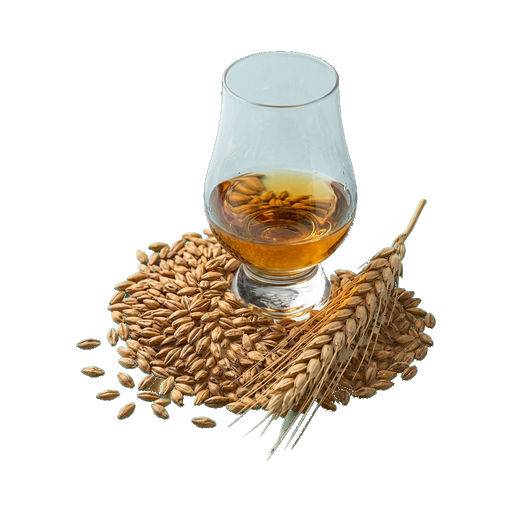
Single Malt Whisky
Single malt whisky is a spirit produced at a single distillery from malted barley using traditional distillation methods. It is distinguished by a rich flavor with notes of smoke, caramel, fruit, or spices depending on production conditions and barrel aging. In cooking, such whisky is used to create sauces, marinades, and desserts, where its deep aroma adds complexity to a dish. However, when cooking, it is important to keep in mind that alcohol evaporates when heated, leaving only the flavor components.
About
Single malt whisky is a spirit made from one type of malt at a single distillery. It is precisely this strictness in production that creates its main distinguishing feature: each bottle reflects the character of a specific place and method of preparation. In culinary applications, such whisky works not simply as a beverage, but as an active ingredient with a distinctly pronounced flavor profile.
Aroma and taste
The spectrum of flavors here is enormous: from smoky and peaty notes to honey, fruity, and vanilla ones. It all depends on the type of malt, drying method, barrel material for aging, and the region's climate. One whisky can smell of smoked cheese and seaweed, another of caramel and ripe apple. This unpredictability makes it interesting for kitchen experiments.
Role in dishes
In cooking, single malt whisky is added to marinades for meat — it softens fibers and adds depth. It is used in sauces for steaks and game, in glazes for fish, in desserts, and even in soups. When heated, the alcohol evaporates, while the flavor components remain, enriching the dish.
- Marinades for beef, lamb and pork
- Sauces for meat and fish
- Glazes and fillings
- Desserts and creams
- Broths and stews
Pairings
Smoky and peaty whisky pairs well with smoked meat, fish, and spicy spices. Lighter, fruity versions go nicely with poultry, seafood, and sweet glazes. Honey and vanilla notes work great in desserts with chocolate, caramel, or nutty fillings. The main thing is not to be afraid to experiment, because every whisky is unique.
Selection and Storage
For cooking, you don't need to choose the most expensive whisky — select based on the flavor profile you want to add to your dish. If you need smokiness, look for whisky marked with peat drying. If you want smoothness and sweetness — pay attention to the aging period and barrel type (often indicated on the label). Store the bottle in a cool place, away from direct light, in an upright position. Once opened, it's best to use the bottle within a year.
When adding to a hot dish, pour the whiskey slowly and let it warm up — this way the alcohol will evaporate evenly and the flavor will open up completely.
Nutrition
per 100 ml
- Calories
- 235 kcal
- Protein
- 0 g
- Fat
- 0 g
- Carbs
- 0 g
Measures and weight
- 1 tbsp
- 14 g
- 1 tsp
- 4.7 g
- 1 cup
- 232.5 g
Measure calculator
- Weight
- 100 g
- Calories
- 253 kcal