Usuba
Usuba
Sorghum syrup
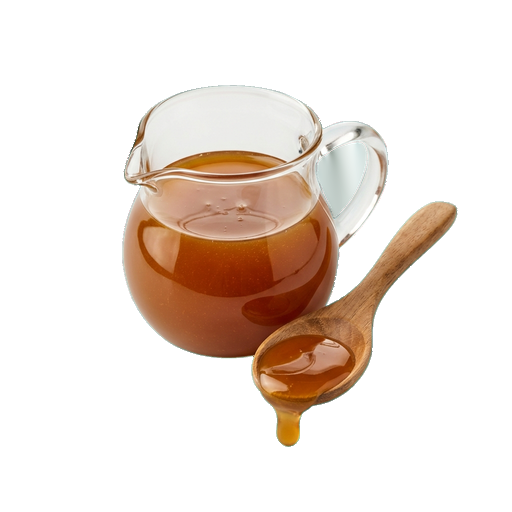
Sorghum syrup is a thick sweetener obtained from sorghum grain juice through reduction. It has a mild, slightly caramel flavor with subtle honey notes and a golden or brown color depending on the degree of processing. The syrup is used in baking, sauces, and beverages as an alternative to corn or wheat syrup, dissolves well in hot liquids, and imparts delicate sweetness to dishes without sharp sugar notes.
About
Sorghum syrup is one of the oldest sweeteners that humanity learned to make from grain. It is a thick, dark liquid with a deep caramel flavor and a slight bitterness that gives dishes a completely different character than conventional sugar or honey. In modern cuisine, it is valued not only for its sweetness, but also for its ability to create a complex flavor profile.
Aroma and Taste
Sorghum syrup smells of cookies, malt, and slightly burnt grain — the aroma of prolonged cooking and concentration. To taste, it is sweet but not cloying: bitterness and a slight astringency balance the sweetness. The consistency is thick, like honey, but more fluid — the syrup spreads well and absorbs into dough or sauce.
Where to use it
Sorghum syrup works everywhere you need deep sweetness with character. It's ideal in dark cookies, gingerbread, and oatcakes — where its flavor fully unfolds. Add it to meat sauces, marinades, porridges, and bread dough. A few spoonfuls in cake glaze or caramel sauce will create an interesting aftertaste.
- Cookies, gingerbread and bread — main partners for sorghum
- Barbecue sauces and glazes for meat
- Porridges, granola and breakfasts
- Marinades for poultry and vegetables
Pairings and substitutions
Sorghum syrup pairs well with spices: cinnamon, ginger, cloves, and black pepper. Its caramel notes enhance saltiness and piquancy. If you need a substitute, use molasses or dark honey, but keep in mind the flavor will be different. Sorghum has a more "grainy" character, is less floral than honey, and less acidic than molasses.
Selection and Storage
When purchasing, pay attention to the consistency — the syrup should be homogeneous, without separation or crystallization. The color varies from brown to almost black, which is normal. The syrup stores well in a tightly closed jar at room temperature, away from direct sunlight. If it thickens over time or begins to crystallize, place the jar in warm water for a few minutes — the syrup will regain its fluidity.
When working with sorghum syrup, remember: it is thicker than sugar syrup, so recipes often call for less of it. If you add it to dough, reduce the amount of liquid — the syrup contains it already. For better distribution, warm the syrup slightly before mixing it with cold ingredients.
Nutrition
per 100 g
- Calories
- 290 kcal
- Protein
- 0 g
- Fat
- 0 g
- Carbs
- 72 g
Measures and weight
- 1 tbsp
- 21 g
- 1 tsp
- 7 g
- 1 cup
- 350 g
Measure calculator
- Weight
- 100 g
- Calories
- 290 kcal