Usuba
Usuba

Smoked sausage
Smoked sausage is a meat product that has undergone heat treatment with smoke, which gives it a characteristic dark color, dense texture, and rich smoky aroma. It keeps well due to the smoking process and is used both in finished dishes and as a standalone snack or component in salads, soups, and hot dishes. When choosing, pay attention to the uniformity of the texture and the color of the cross-section — quality smoked sausage should be dense, without voids, with an even distribution of fat.
About
Smoked sausage is one of the most practical ingredients in the kitchen. It is ready to eat, requires no cooking or frying, and brings a deep smoky flavor and dense texture to the dish. It's not just a beer appetizer, but a full-fledged component that changes the character of an entire dish.
Taste and aroma
Smoking gives sausage a characteristic bitterness and smoky undertone that is unforgettable. The taste depends on the type of smoking: cold smoking creates a more delicate, refined profile, while hot smoking produces a more intense and sharp flavor. A good product has a uniform color throughout the cross-section, without gray spots, and a pleasant meat aroma without any foreign odors.
How to Choose and Store
When purchasing, pay attention to the casing — it should be intact, without mold or damage. If the sausage is in vacuum packaging, check the production date and storage conditions. Smoked sausage lasts longer than boiled sausage, but still requires refrigeration. In vacuum, it lasts several weeks, and after opening the package — no more than a week.
Role in Dishes
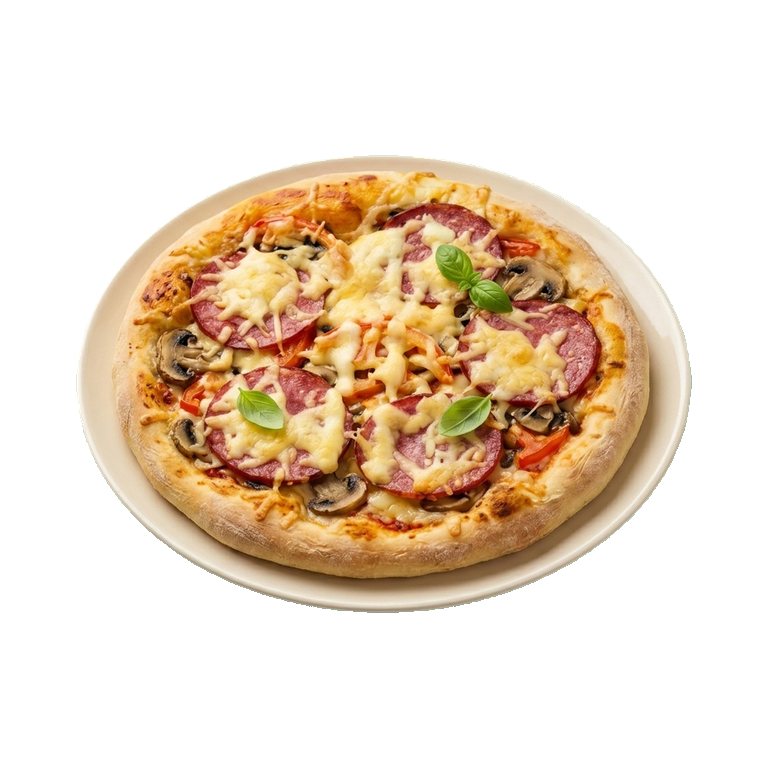
Smoked sausage plays many roles. Sliced thin, it adorns a charcuterie board. Diced or in slices, it's added to soups — its smoky flavor enriches the broth. It works wonderfully in pastas, risottos, omelets, where it becomes the centerpiece. Sausage pairs perfectly with potatoes, cabbage, legumes, and spicy sauces.
Pairings
- With potatoes — in soups, stews and roasts
- With sauerkraut — a classic side dish combination
- With black beans and hot spices — in Latin American dishes
- With cheese — in appetizers and sandwiches
- With eggs — in omelets and breakfasts
- With pasta and cream sauce — for a hearty main course
Practical Tips
If the sausage seems too salty, soak the sliced pieces in cold water for 15–20 minutes. Before adding to a hot dish, there's no need to cook it — simply slice and add at the end of cooking to preserve the aroma. For soups, sausage is often added at the same time as potatoes so it has time to impart its flavor to the broth. In cold appetizers, slice it thinly — this way it reveals its taste more vividly.
Nutrition
per 100 g
- Calories
- 400 kcal
- Protein
- 20 g
- Fat
- 35 g
- Carbs
- 2 g
Measures and weight
- 1 pcs
- 50 g
- 1 slice
- 25 g
Measure calculator
- Weight
- 100 g
- Calories
- 400 kcal