Usuba
Usuba
Sour milk
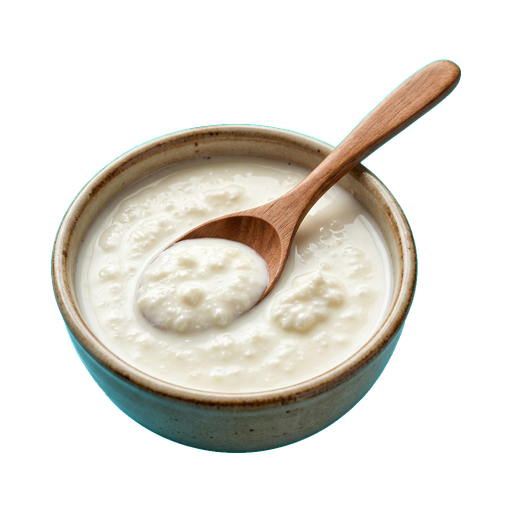
Sour milk is a natural fermented dairy product obtained through the fermentation of regular milk by lactic acid bacteria. It has a characteristic tangy taste, dense consistency, and a slightly sharp, pleasant aroma. In cooking, sour milk is used for baking (adds fluffiness and tenderness), in marinades, sauces, grain dishes, and as a base for salad dressings — when substituting it for regular milk, its acidity should be taken into account and the amount of other acidic components in the recipe may need to be reduced accordingly.
About
Sour milk is one of the most versatile fermented dairy products in the kitchen. It is milk that has undergone natural fermentation under the action of lactic acid bacteria, acquiring a characteristic sour taste and thick consistency. Unlike yogurt or kefir, sour milk is prepared without special starters or additives — it is enough to leave milk at room temperature for a day or two.
Taste and Aroma
Sour milk has a pleasant lactic acid taste with a slight tang. The intensity of acidity depends on the fermentation time: the longer the milk sits, the more pronounced the flavor becomes. The aroma is fresh and milky, without any off-flavors. The consistency is thick and creamy, sometimes with small curds, which is completely normal.
Role in dishes
Sour milk is an indispensable helper in baking. It makes the dough more tender and fluffy by reacting with baking soda. Add it to pancakes, fritters, muffins, and sponge cakes. The product works well in sauces — giving them creaminess and a subtle tanginess. It is used in marinades for meat and poultry, tenderizing the fibers and adding depth of flavor.
- Baking: pancakes, fritters, muffins, pies
- Sauces and salad dressings
- Marinades for meat and fish
- Desserts and cottage cheese dishes
- Beverage plain or with additives
Pairings and Tips
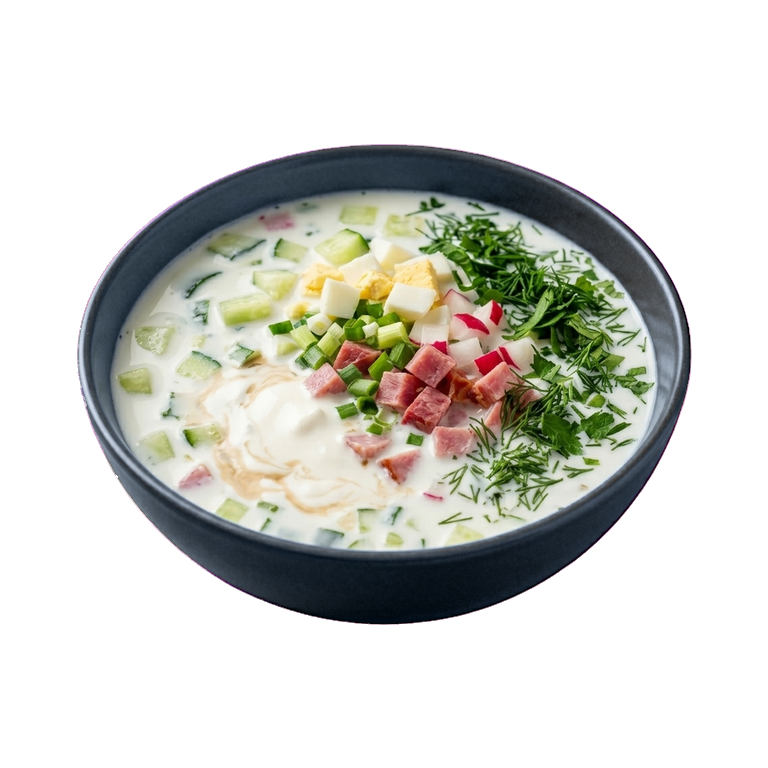
Sour milk pairs well with berries, honey, and nuts. Try mixing it with cottage cheese for a creamy filling, adding it to okroshka in summer, or using it as a base for cold soup. With spices — cinnamon, vanilla, cardamom — you can create interesting desserts. Remember: sour milk is easier to digest than regular milk and contains beneficial bacteria for digestion.
Selection and Storage
When purchasing, pay attention to the production date and expiration date. Sour milk should be uniform, without layers or strange odor. If preparing at home, use high-quality milk and clean dishes. Store in the refrigerator in a tightly closed container — this way it will keep fresh for 5–7 days. Freezing is not recommended as it will damage the texture.
- Check the consistency: it should be dense, but not curdled
- Smell — clean dairy flavor, without mustiness
- Store in the refrigerator, separately from other products
- Use within a week after opening the package
Sour milk is a product that will always find its use in the kitchen. It is versatile, affordable, and works both in traditional recipes and in experiments. If you haven't tried cooking with it yet, start with simple pancakes — the result will pleasantly surprise you.
Nutrition
per 100 ml
- Calories
- 59 kcal
- Protein
- 2.9 g
- Fat
- 3.2 g
- Carbs
- 4.1 g
Measures and weight
- 1 tbsp
- 15.5 g
- 1 tsp
- 5.2 g
- 1 cup
- 257.5 g
Measure calculator
- Weight
- 100 g
- Calories
- 57 kcal