Usuba
Usuba
Okonomiyaki Sauce
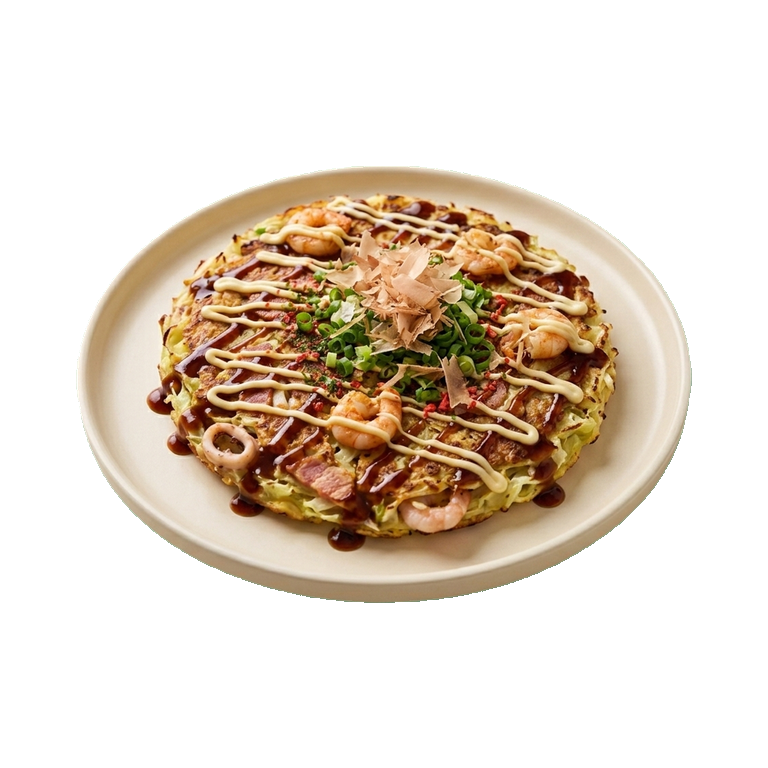
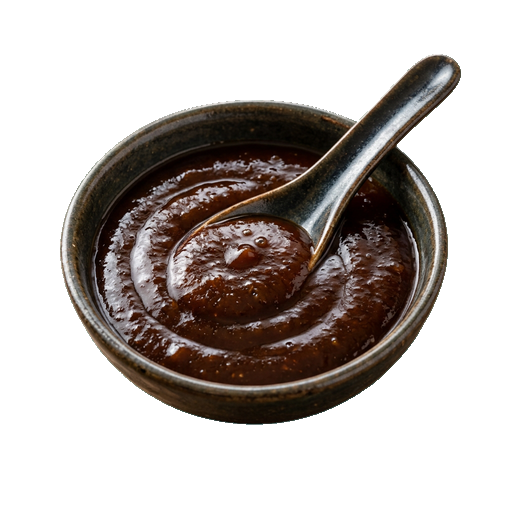
A thick sauce with a distinctive sweet-umami flavor, based on tomato paste, soy sauce, and mirin. Used as a finishing touch for the Japanese dish okonomiyaki — thick vegetable and meat pancakes, where it imparts a deep, slightly spicy and caramelized character. When selecting or preparing it yourself, it's important to maintain a balance between the sweetness of mirin and the salty notes of soy sauce to avoid overpowering the taste of the main dish.
About
Okonomiyaki is a Japanese sauce that seems simple at first glance, but actually works like a magical kitchen helper. It's sweet, slightly spicy, with a deep umami and a light tanginess. If you've ever tried Japanese dishes with this sauce, you know how it transforms everything around it, making every bite memorable.
Taste and Aroma
The basis of the sauce consists of tomato paste, soy sauce, and sugar, but in proportions that create something truly special. On the palate, sweetness unfolds first, then comes the saltiness of soy sauce, and all of this is balanced by a subtle acidity. Some versions contain spicy notes from mustard or pepper — it all depends on the manufacturer. The aroma is rich, piquant, with a pronounced presence of spices and tomato.
Where to use it
Traditionally, this sauce is served with okonomiyaki — Japanese pancakes with a complex filling. But that's just the beginning. It works great with fried vegetables, seafood, chicken, and bacon. Try adding it to deep-fried dishes or use it as a marinade for skewers. The sauce holds its flavor well and doesn't get lost even in dishes with strong aromas.
Successful Combinations
- With squid and shrimp — the sauce emphasizes their slightly sweet taste
- With fried cabbage — creates a balance between vegetable freshness and deep sweetness
- With bacon and sausages — enhances umami and adds depth
- With rice and noodles — use as a final touch for the dish
Selection and Storage
When choosing, pay attention to the consistency — the sauce should be thick enough not to drip off the dish, but not resemble pasta. Check the ingredients list: a quality sauce should not contain too many thickeners. Some versions contain pieces of ginger or garlic — this is normal and even desirable for a more interesting taste.
Store an unopened bottle in a cool place at room temperature. After opening, the sauce keeps well in the refrigerator for several months if you use a clean spoon each time you access it. If the sauce thickens, dilute it slightly with water or rice vinegar — the flavor will not suffer.
Okonomiyaki sauce is not just a condiment for one dish. It is a tool that expands your culinary palette and allows you to experiment with Asian flavors in everyday home recipes.
Nutrition
per 100 ml
- Calories
- 180 kcal
- Protein
- 1.2 g
- Fat
- 12.5 g
- Carbs
- 16 g
Measures and weight
- 1 tbsp
- 16.5 g
- 1 tsp
- 5.5 g
- 1 cup
- 275 g
Measure calculator
- Weight
- 100 g
- Calories
- 164 kcal