Usuba
Usuba
Tonkatsu sauce
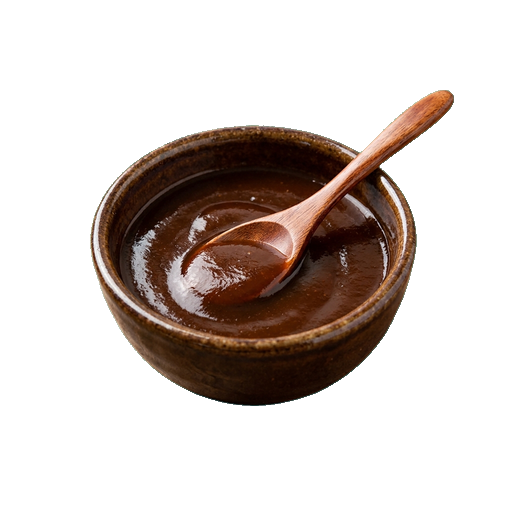
Tonkatsu sauce is a thick sweet and spicy sauce with complex flavor, based on tomatoes, fruit puree, and spices. It is characterized by deep umami notes, subtle acidity, and a spicy undertone that perfectly complement crispy breaded dishes, especially tonkatsu and other fried cutlets. When selecting, look for sauces with clean ingredients and no unnecessary additives; when substituting, you can use a mixture of Worcestershire sauce with ketchup and a small amount of hot sauce.
About
What is tonkatsu sauce and why is it needed
Tonkatsu sauce is a thick, sweet and savory condiment that has become an integral part of Japanese cuisine. Despite its name associated with a cutlet, the sauce is used much more widely: it is served with any fried dishes, grilled vegetables, even with deep-fried foods and soups. Its main virtue is that it complements rather than overwhelms the taste of the main dish, adding depth and a slight tanginess.
The base of the sauce consists of tomatoes, apples, spices, and vegetable extracts. The consistency is achieved through starch or thickeners, while the characteristic color comes from caramelized sugar and tomato paste. In taste, it's something between ketchup and Worcestershire sauce, but with its own distinctive personality: there's sweetness, moderate acidity, a light spicy undertone, and a barely perceptible bitterness.
How to use in the kitchen
The classic way is to dip a crispy cutlet or piece of fried meat in the sauce. But the possibilities don't end there. The sauce works well as a marinade base, it can be mixed with mayonnaise for sandwiches, added to a glaze for baked meat, or used as a dip for vegetables and seafood. Some chefs add it to stews or braised dishes to give the flavor more roundness and depth.
- Fried meat — pork, chicken, beef
- Grilled or deep-fried vegetables — eggplant, zucchini, mushrooms
- Seafood — shrimp, squid, fish
- Appetizers — croquettes, dumplings, meatballs
- Main dishes — rice with vegetables, noodles, potatoes
Selection and Storage
When choosing, pay attention to the consistency — it should be uniform, without lumps or separation. The color varies from brown to dark burgundy depending on the manufacturer. The smell should be pleasant, slightly sweet with spicy notes, without mustiness. Pay attention to the ingredient list: a quality sauce should not contain too many preservatives and artificial additives.
Keep a sealed bottle in a cool, dark place at room temperature — usually the sauce stays fresh for a year or longer. After opening, transfer it to the refrigerator and use it within 2–3 months. If you make the sauce at home, it will keep in the refrigerator for about a month. Before using, shake the bottle to mix the settling components.
Chef's Tip
If the sauce seems too sweet to you, dilute it with a small amount of rice vinegar or lemon juice. For a more intense flavor, add a pinch of garlic powder or fresh ginger. Some chefs mix tonkatsu with chili pepper or wasabi to create their own sauce variation for a specific dish.
Nutrition
per 100 g
- Calories
- 140 kcal
- Protein
- 1 g
- Fat
- 0 g
- Carbs
- 34 g
Measures and weight
- 1 tbsp
- 16.5 g
- 1 tsp
- 5.5 g
- 1 cup
- 275 g
Measure calculator
- Weight
- 100 g
- Calories
- 140 kcal