Usuba
Usuba
Soy flour
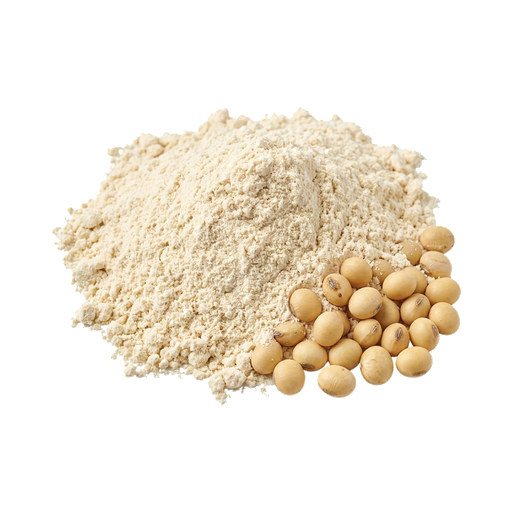
Soy flour is a finely ground powder made from defatted soybeans, characterized by a neutral, slightly nutty flavor and high plant-based protein content. In baking and cooking, it is used to enrich dishes with protein, improve dough structure, and add moisture. However, since it contains no gluten, replacing wheat flour with soy flour requires adding binding agents. When purchasing, it is important to choose flour from reliable sources, as quality and processing levels can vary. During storage, it quickly absorbs moisture and odors.
About
Soy flour is ground soybean meal powder that remains after oil is extracted from soybeans. The product is rich in protein and contains virtually no starch, so it works completely differently from regular wheat flour in cooking. It's not just an ingredient, but a tool for changing the texture, nutritional value, and flavor properties of a dish.
Taste and Aroma
Soy flour has a recognizable nutty, slightly herbaceous flavor with a subtle bitterness. The aroma is bright and pronounced — it's difficult to hide in a dish, so you either need to accept it as part of the recipe or use it in combinations where it will be appropriate. When roasted, the flavor becomes more intense and deep, with notes of roasted peanuts.
Role in baking and dishes
In baking, soy flour acts as a binding agent and structure improver. It absorbs moisture, so adding even 10–15% of the total flour amount makes the dough more plastic and helps the finished product stay soft longer. Due to its high protein content, cookies, cupcakes, and bread become more nutritious and acquire a pleasant creamy hue.
In savory dishes, soy flour serves as a thickener for sauces, a breading for cutlets and meatballs, and a base for vegan pâtés. It is added to batter for pancakes and fritters to make them denser and more nutritious. A small amount improves emulsification in creams and mayonnaises.
Pairs well with
- Nutty flavors: almonds, cashews, peanuts — enhance the natural aroma of flour
- Caramel and brown sugar — soften bitterness, create a harmonious taste
- Spices: cinnamon, ginger, cardamom — mask herbaceous notes and add depth
- Vanilla and cocoa — good companions in sweet dishes
- Savory sauces, garlic, soy sauce — in unsweetened recipes highlight umami
How to choose and store
When purchasing, pay attention to the color — it should be cream or light yellow, without gray spots. The smell should be clean, nutty, without mustiness and mold. Check the production date: soy flour oxidizes over time, and an old batch can give the dish a bitter aftertaste.
- Airtight container or glass jar with a tight-fitting lid
- Cool, dry place, protected from sunlight — a kitchen cabinet will work
- Refrigerator or freezer for long-term storage (up to 6 months in the freezer)
- When storing at room temperature, use within 3–4 months
Soy flour is not a primary ingredient, but a helper. It's rarely used in amounts greater than 20% of the total flour quantity, otherwise the dish may acquire too pronounced a flavor and dense texture. Start with small additions and listen to the result: each recipe requires its own balance.
Nutrition
per 100 g
- Calories
- 385 kcal
- Protein
- 36.5 g
- Fat
- 18.6 g
- Carbs
- 14.3 g
Measures and weight
- 1 tbsp
- 7.5 g
- 1 tsp
- 2.5 g
- 1 cup
- 125 g
Measure calculator
- Weight
- 100 g
- Calories
- 385 kcal