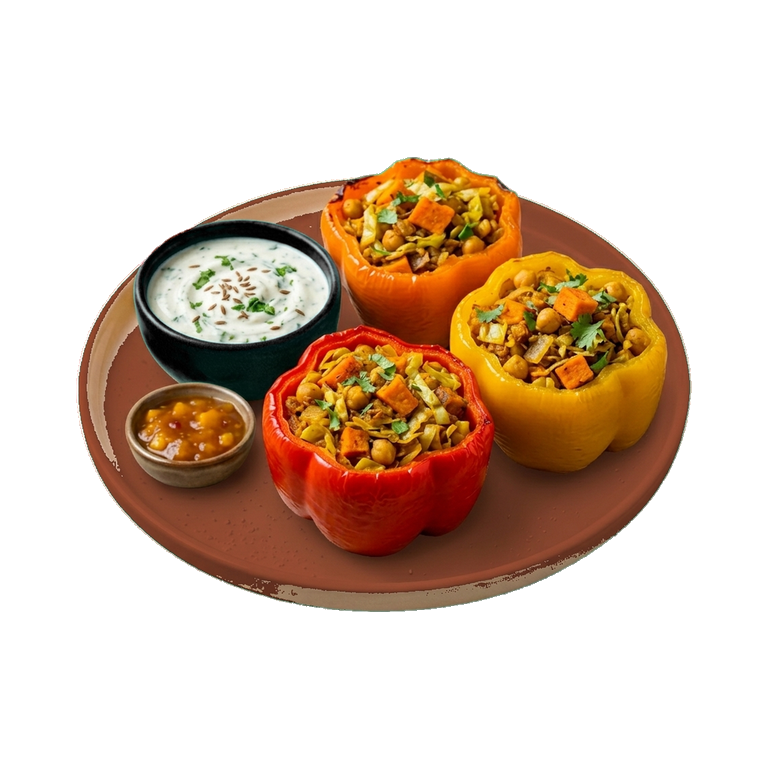
Usuba
Usuba
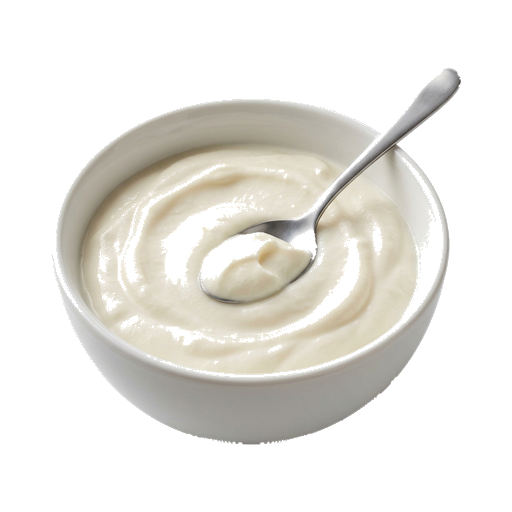
Soy yogurt
Soy yogurt is a fermented dairy product made from soy milk, created through fermentation with lactic acid bacteria. It has a creamy consistency, a mild buttery flavor with a slight tanginess, and lacks any dairy aftertaste, making it an ideal choice for vegan cuisine and people with lactose intolerance. In cooking, it is used as a standalone dessert, a base for sauces, marinades, and smoothies, as well as in baking — when substituting regular yogurt, it is important to note that soy yogurt may be less dense and sometimes requires adjusting the liquid content in the recipe.
About
Soy yogurt is a fermented beverage made from soy milk, which is fermented using the same bacterial cultures as dairy yogurt. The result is creamy and thick, but without dairy origin. For a cook, this means a versatile ingredient that works wherever a fermented milk base is needed—from breakfast to desserts and sauces.
Taste and Texture
Soy yogurt has a mild, slightly nutty flavor with a tanginess. The intensity of the taste depends on fermentation time: the longer the starter culture works, the more pronounced the acidity. The texture is usually thicker than dairy yogurt, but less dense than Greek yogurt. Good manufacturers add thickeners (agar or starch) to help the yogurt hold its shape and prevent separation.
Where to use
- In breakfasts: layer in granola bowls, base for smoothie bowls, serving with berries and muesli
- In sauces: marinades for vegetables and tofu, cold sauces for summer dishes, dip for vegetable sticks
- In baking: replacement for dairy yogurt in muffins, cupcakes and pancakes, additive for dough moisture
- In desserts: base for yogurt cakes, parfaits, ice cream, vegan cheesecakes
- In salads: dressing instead of sour cream or mayonnaise, component in cold soups
Cooking Tips
Soy yogurt is more delicate than dairy yogurt, so it may separate when heated. If you add it to a hot dish, introduce it at the end of cooking or dilute it beforehand with a small amount of liquid. In cold dishes, it is stable and behaves predictably. When whipped, yogurt rises well if it contains enough stabilizers — check the ingredients before using it for mousse or cream.
Pairings and flavor partners
- Berries: blueberry, raspberry, strawberry — a classic breakfast pairing
- Spices: turmeric, ginger, cardamom, cinnamon — highlight the nutty undertones of yogurt
- Citrus: lemon, lime, orange — add freshness to sauces and marinades
- Herbs: dill, parsley, basil — for cold sauces and dressings
- Honey and syrup: natural addition for sweet dishes and breakfasts
Selection and Storage
When choosing, pay attention to the ingredient list: ideally it should contain only soy milk, starter culture, and possibly thickeners. Avoid yogurts with a long list of additives and excessive sugar. The shelf life is usually 2–3 weeks in the refrigerator. After opening, yogurt keeps for several days — over time it becomes more sour and liquid may separate, but this is normal. Soy yogurt can be frozen, but the texture after thawing will be more crumbly; such yogurt is better used in smoothies or baking.
Soy yogurt is not just a substitute for dairy. It is a standalone ingredient with its own character that opens up new possibilities in the kitchen, especially when it comes to plant-based and vegan dishes.
Nutrition
per 100 g
- Calories
- 57 kcal
- Protein
- 4 g
- Fat
- 2 g
- Carbs
- 5 g
Measures and weight
- 1 tbsp
- 15.5 g
- 1 tsp
- 5.2 g
- 1 cup
- 257.5 g
Measure calculator
- Weight
- 100 g
- Calories
- 57 kcal