Usuba
Usuba
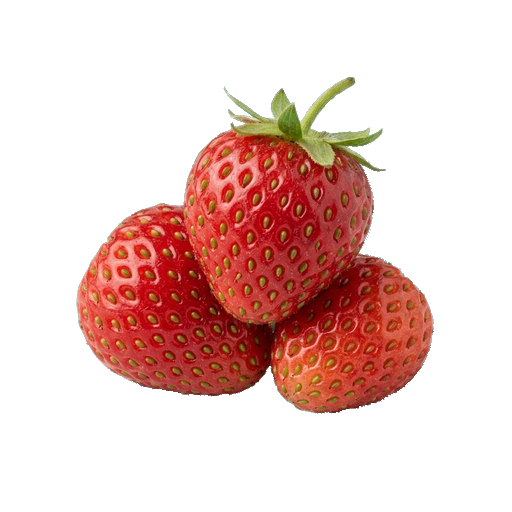
Strawberry
Strawberry is a berry that is smaller and more aromatic than cultivated strawberry, with a characteristic sweet taste and a slight tartness. It is used for making jam, compotes, desserts and fresh salads, as well as added to baked goods and beverages. When selecting, it is important to pay attention to the integrity of the berries and their rich red color, and wild strawberries should be stored in the refrigerator for no more than three days, as they spoil quickly.
About
Strawberry is a berry that looks like a miniature strawberry, but tastes and smells completely different. It can be found in the forest in early summer, but cultivated varieties are more often used in cooking. The berry is fragile and requires careful handling, but rewards the cook with an intense, almost honey-like flavor that you won't confuse with anything else.
Taste and aroma
Wild strawberry is more sour and aromatic than cultivated strawberry. It has a pronounced fruity scent with subtle vanilla notes that can be detected from afar. The taste is sweet but not cloying — acidity keeps it in balance. The flesh is tender, almost melting, with small seeds that are barely noticeable when eating.
Strawberry ripeness is determined by color — the berry should be uniformly red, without white or green spots. Unripe strawberries are sour, overripe ones lose their shape and quickly become moldy. It is best to use the berry on the day of purchase or harvest.
Where and how to cook it
Strawberries are delicious fresh — simply with sugar or with cream. Their aroma unfolds in compotes, fruit drinks, and infusions. In baking, strawberries can serve as a filling for pies, tarts, and meringues, but due to their high moisture content, it is better to dry them slightly or use them as a puree.
- Jams and preserves — strawberries produce a thick, aromatic result
- Desserts with cream — a classic combination where the berry's acidity balances the richness
- Sauces for meat and poultry — strawberries work in sweet and sour sauces, especially with pepper
- Drinks and cocktails — strawberry puree goes into smoothies, lemonades and alcoholic mixes
Selection and Storage
When purchasing, pay attention to the smell — good strawberries have a strong and pleasant aroma. Avoid crushed berries, dark spots, and signs of mold. If the berries are bought in a container, check the bottom — juice often accumulates there, a sign that the berries are pressing against each other.
Store strawberries in the refrigerator on the vegetable and fruit shelf, in a container with paper towels that will absorb excess moisture. Do not wash the berries before use — moisture will accelerate spoilage. In the freezer, strawberries keep for several months but lose their shape; they are better used for purees, jams, or compotes.
Successful Pairings
Strawberry works well with dairy products — cream, yogurt, mascarpone. Its aroma is enhanced when paired with vanilla, mint, and lemon. Black pepper and ginger add piquancy when preparing strawberry sauce for meat. In beverages, strawberry harmonizes with champagne, white wine, and light rum.
Nutrition
per 100 g
- Calories
- 32 kcal
- Protein
- 0.7 g
- Fat
- 0.3 g
- Carbs
- 7.7 g
Measures and weight
- 1 tbsp
- 9 g
- 1 tsp
- 3 g
- 1 cup
- 150 g
- 1 pcs
- 5 g
Measure calculator
- Weight
- 100 g
- Calories
- 32 kcal