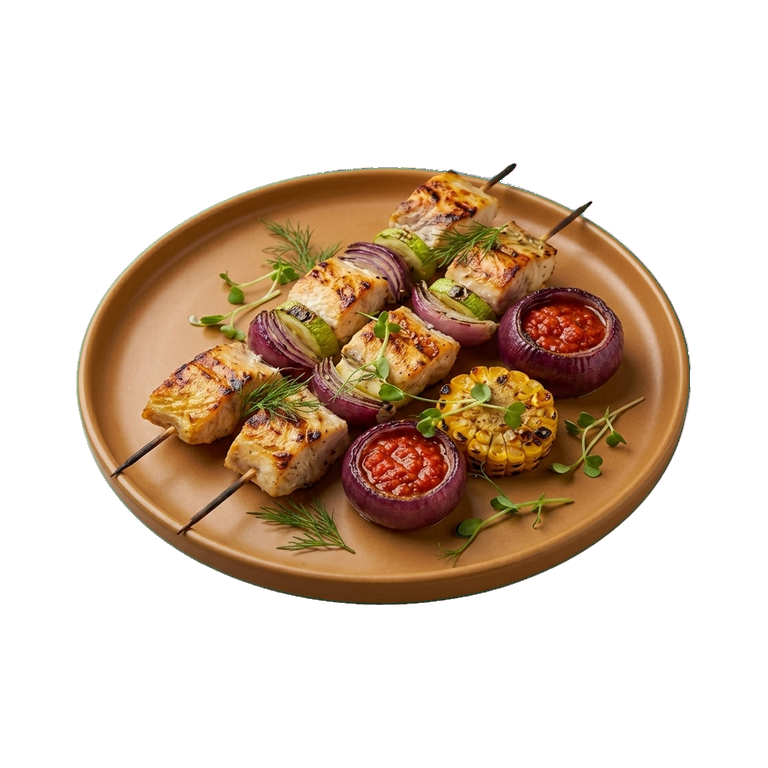
Usuba
Usuba
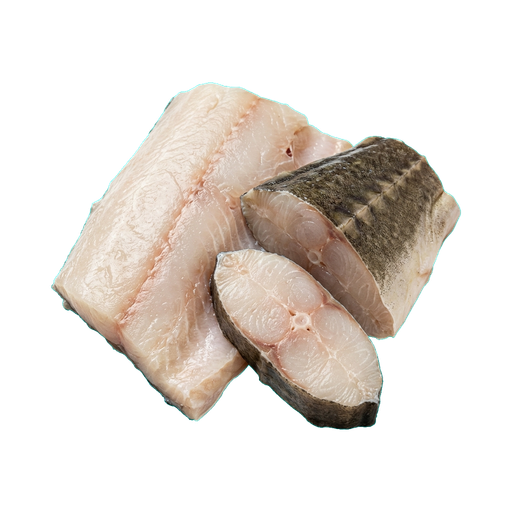
Sturgeon fillet
Sturgeon fillet is the meat of a delicate fish with a dense, slightly buttery texture and a tender, subtly expressed fish flavor. Thanks to its high fat content, sturgeon fillet remains juicy regardless of cooking method: it can be fried, boiled, steamed, or smoked. When selecting, pay attention to the color — the meat should be light pink or white, without darkening, and the smell should be fresh and oceanic, without any ammonia notes.
About
Delicate fish with a tender flavor
Sturgeon fillet is not just an ingredient, but the foundation for serious cooking. The meat is white, dense, with a barely noticeable sweet hint and a minimal amount of small bones. The texture is fibrous yet tender, which allows the fish to quickly absorb marinades and sauces. When you cut the fillet with a knife, it doesn't crumble or flake — this is a sign of quality and freshness.
Aroma and Flavor Profile
Sturgeon smells of the sea, but not sharply — the aroma is clean, slightly herbaceous. To taste, the fish is neutral in a good sense: it doesn't overpower sauces and side dishes, but complements them. The fat content is moderate, which makes the fillet versatile for different cooking techniques. When heated, the meat becomes denser, but remains juicy if not overcooked.
How to Cook: Main Approaches
- In a pan with oil: place the fillet skin-side down, fry over medium heat for 4–5 minutes, then flip for 2–3 minutes. The skin becomes crispy, the meat stays moist.
- In the oven: wrap in foil with lemon and herbs, bake at 180°C for approximately 12–15 minutes. This method is gentle, the fish doesn't lose moisture.
- On a grill or in a steak machine: the fillet holds its shape and gets beautiful grill marks. The main thing is not to dry it out, check doneness by the color of the meat.
- In soup or broth: add the fillet cut into pieces at the end of cooking so it doesn't fall apart. The fish imparts a delicate flavor to the broth.
Pairs well with
Sturgeon works well with acidity: lemon, white wine, vinegar emphasize the taste of the fish. Creamy sauces, hollandaise, beurre blanc are classic choices. Asparagus, carrots, potatoes, and mushrooms are suitable vegetables. Herbs: dill, parsley, tarragon. Sturgeon is not afraid of spices — turmeric, black pepper, ginger will only enhance the dish.
Selection and Storage
When buying, pay attention to the color: the meat should be light pink or white, without gray spots. The skin should be shiny, not dull. The smell should be fresh, with a sea aroma, without ammonia notes. The fillet should not be soft or sticky to the touch.
In the refrigerator at 0–4°C, fillet keeps for 2–3 days in an airtight container. If you want to store it longer, freeze it: fish will last 2–3 months in the freezer. Thaw in the refrigerator, not at room temperature — this way the fillet will retain its juice and structure.
Tip for home cook
Remove the fillet from the refrigerator 15 minutes before cooking. Fish at room temperature cooks more evenly, and the meat turns out juicier. Don't salt in advance — salt draws out moisture. Salt right before cooking or in the finished dish.
Nutrition
per 100 g
- Calories
- 140 kcal
- Protein
- 18.5 g
- Fat
- 7 g
- Carbs
- 0 g
Measure calculator
- Weight
- 100 g
- Calories
- 140 kcal