Usuba
Usuba
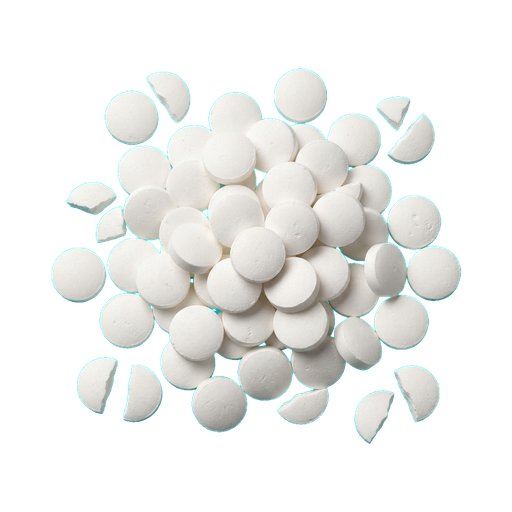
Sugar substitute tablets
Concentrated sweetener in tablet form, usually based on saccharin, aspartame, or stevia, designed to replace sugar in beverages and desserts. One tablet is equivalent to one teaspoon of sugar in terms of sweetness, but contains virtually no calories, making it a convenient choice for people watching their weight or suffering from diabetes. When using, it is important to note that some sweeteners may leave a bitter aftertaste, so it is better to add them at the end of cooking, and when baking, the result may differ from sugar due to the absence of its structuring properties.
About
Sugar substitute tablets are a compact way to sweeten a drink or dish without calories and without affecting glucose levels. One tablet typically replaces a teaspoon of sugar, which is convenient for those watching their figure, managing diabetes, or simply preferring to minimize sugar in their diet. Unlike granulated alternatives, tablets take up no space, are easy to carry with you, and convenient to use in cafes or at work.
Taste and Solubility
The flavor profile depends on the composition: saccharin provides pure sweetness with a slight metallic aftertaste, aspartame is close to sugar but loses its properties when heated, sucralose tolerates temperature better. Tablets dissolve in hot drinks within a minute or two, in cold water more slowly — it makes sense to add it in advance or stir it. Some manufacturers add auxiliary substances that may leave sediment, so it's worth checking the composition before purchasing.
Where and how to use
- Hot beverages: tea, coffee, cocoa — the tablet dissolves quickly and evenly
- Cold beverages: compote, fruit drink, lemonade — add in advance or stir longer
- Yogurts and dairy desserts — dissolves well in liquid base
- Baked goods and hot dishes — not all substitutes withstand high temperature, check the package
- Jam and compotes — only heat-resistant types are suitable, otherwise the taste will be spoiled
What to pay attention to when choosing
Read the composition — different active ingredients (saccharin, aspartame, sucralose, stevioside) provide different taste and behavior when heated. Check the number of tablets in the package and recalculate the cost per unit. Pay attention to the presence of auxiliary components: lactose, maltodextrin, or cellulose can affect solubility and add calories. If you are cooking for children or pregnant women, make sure the product is approved for these groups.
Storage and shelf life
Tablets last longer than loose substitutes thanks to dense packaging. Keep them in a dry place, protected from moisture and direct sunlight — moisture can cause clumping. An airtight container or closed jar is ideal. The shelf life is usually 2–3 years. If the tablets have darkened, smell strange, or have clumped together — it's better not to use them.
Remember: sugar substitutes are a tool, not a panacea. They help reduce calorie intake and glucose levels, but they don't replace a balanced diet or solve the problem of sweet cravings. Use them consciously and in moderation.
Nutrition
per 100 g
- Calories
- 20 kcal
- Protein
- 0 g
- Fat
- 0 g
- Carbs
- 5 g
Measures and weight
- 1 pcs
- 0.1 g
Measure calculator
- Weight
- 100 g
- Calories
- 20 kcal