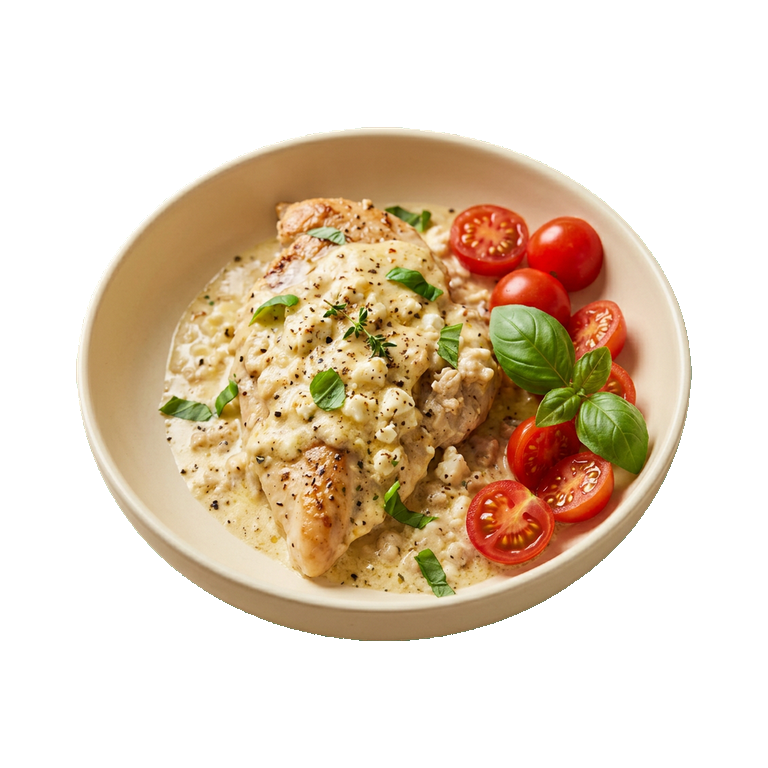
Usuba
Usuba
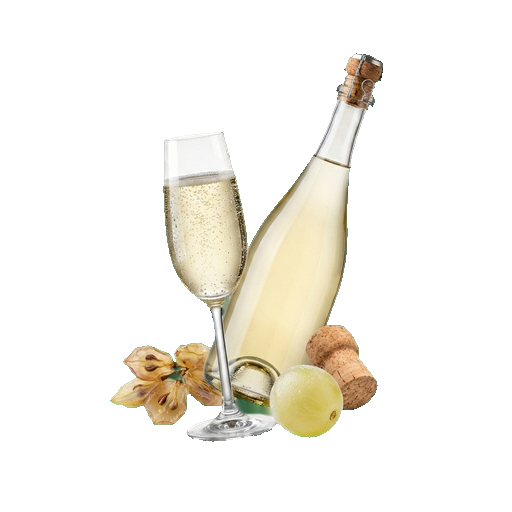
Dry sparkling wine
Sparkling wine with minimal sugar content, where sweetness is barely perceptible, and the flavor is built on acidity and fruity notes. Such wine is versatile as an aperitif, pairs well with seafood, cheese and light appetizers, and also serves as a base for cocktails. When choosing, pay attention to the residual sugar content (usually less than 12 grams per liter) and prefer chilled wine, as cold enhances the freshness and minerality of the drink.
About
Dry sparkling wine is not just a festive drink. In cooking, it is a versatile tool that adds lightness, acidity, and subtle fruity notes to dishes. The bubbles in the composition work not only on taste but also on the texture of the finished dish, making sauces airier and seafood more tender.
Taste and Aroma
Dry sparkling wine is distinguished by having virtually no residual sugar — this is its main advantage in the kitchen. Instead of sweetness, you get lively acidity that balances rich and full-bodied dishes. The aromatic bouquet is usually light: apple, pear, sometimes floral notes or subtle minerality. This profile doesn't overpower the dish but rather complements it.
Role in dishes
- Deglazing the pan after searing fish or seafood — bubbles help lift all the delicious bits from the bottom
- Base for light sauces for chicken and white meat — acidity keeps the sauce from being heavy
- Component in marinades for vegetables and meat — adds freshness and helps soften the fibers
- Addition to cream soups and bisques — a little wine brightens the flavor and adds depth
- Base for aspics and mousses — natural acidity works with gelatin better than water
Works best with
Dry sparkling wine pairs perfectly with seafood — oysters, scallops, and shrimp truly shine in its company. It works wonderfully with delicate white fish, especially when you need to deglaze. Don't forget about poultry: chicken, turkey, and pheasant become more interesting when cooked with this wine. Even in vegetable dishes — mushroom risotto, pasta with spring vegetables — sparkling wine adds the right lightness and freshness.
Selection and Storage
You don't need to buy expensive bottles for cooking — a mid-range wine with a Brut or Extra Brut label will work fine. The main thing is to check that the label indicates it's dry wine, not semi-dry. An open bottle is best used within a few days, otherwise the wine will lose its carbonation and some of its aromas. If the wine has been sitting open, it can still be used for cooking, but it will be less interesting for drinking.
When heated, alcohol evaporates, but acidity and fruity notes remain. Therefore, don't be afraid to add wine to a hot pan — it won't spoil the dish, but will improve it.
Nutrition
per 100 ml
- Calories
- 76 kcal
- Protein
- 0.1 g
- Fat
- 0 g
- Carbs
- 1.4 g
Measures and weight
- 1 tbsp
- 14.8 g
- 1 tsp
- 5 g
- 1 cup
- 247.5 g
Measure calculator
- Weight
- 100 g
- Calories
- 77 kcal