Usuba
Usuba
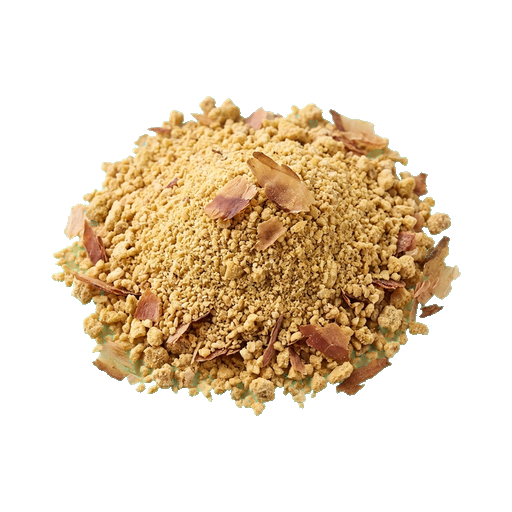
Dashi stock powder
Hondashi is a powdered concentrate made from dried fish and seaweed, used to prepare a basic Japanese broth. It imparts a characteristic umami flavor with a subtle oceanic aroma and slightly salty taste to dishes. When using hondashi, keep in mind that it already contains salt, so additional seasoning should be done cautiously. For more delicate dishes, you can opt for a reduced-sodium version.
About
Hondashi dry broth is a concentrated powder that transforms ordinary water into rich Japanese dashi in seconds. It contains dried components of traditional broth: sea fish, seaweed, and sometimes mushrooms. When you need a quick way to add depth and umami to soup, noodles, or sauce, hondashi becomes a lifesaver in the kitchen.
Taste and Aroma
Hondashi gives the dish a characteristic seafood flavor, slightly salty with a bright piquant note. The aroma is intense and fishy, but not sharp — rather delicate and cozy. The powder dissolves almost without sediment, leaving a clean, clear broth. Umami in hondashi is distinctly felt — that very sensation of fullness and roundness of taste that makes Japanese cuisine recognizable.
Where and how to use
Hondashi is primarily used as a base for miso soup, ramen, and udon noodles. However, its applications are broader: it can be added to broths for stewing vegetables, to sauces, and to marinades for fish and seafood. Even a pinch of hondashi in European soups adds an interesting accent without making the dish "Japanese." The typical proportion is half a teaspoon per cup of water, but it's always better to start with less and adjust to the desired intensity to taste.
- Miso soup — a classic application, hondashi is dissolved in hot water before adding miso paste
- Noodles and udon — the powder is added directly to boiling water with noodles
- Sauces and marinades — hondashi is combined with soy sauce, mirin, and sugar
- Stewing vegetables and seafood — provides a basic flavor base
Selection and Storage
When purchasing, pay attention to the composition: quality hondashi is based on dried fish and seaweed, without unnecessary additives and flavor enhancers. Some manufacturers offer variations with the addition of kombu or shiitake — this is not a mistake, but a variant, choose according to your preferences. The powder is sensitive to moisture and should be stored in a tightly sealed container in a cool place. With proper storage, hondashi maintains its quality for several months, but it is better to use it within six months after opening the package.
- Airtight container — protects from moisture and foreign odors
- Cool, dark place — a kitchen cabinet or pantry will work
- Separate storage — do not keep near strongly scented products
Combinations with other ingredients
Hondashi works excellently with miso paste, creating a classic pairing for soup. Soy sauce enhances its saltiness and umami. Mirin and sugar balance the intensity, adding a subtle sweetness. With lemon or rice vinegar, hondashi becomes the base for light, refreshing broths. Seafood—shrimp, squid, sea vegetables—are natural partners that will enhance its marine character. Vegetables like shallots, ginger, and garlic will complement the aroma rather than compete with it.
Hondashi is not a replacement for real dashi made from kombu and bonito, but an honest kitchen helper when time is short and quality results are needed.
Nutrition
per 100 g
- Calories
- 200 kcal
- Protein
- 10 g
- Fat
- 1 g
- Carbs
- 38 g
Measures and weight
- 1 tbsp
- 10.5 g
- 1 tsp
- 3.5 g
- 1 cup
- 175 g
Measure calculator
- Weight
- 100 g
- Calories
- 200 kcal