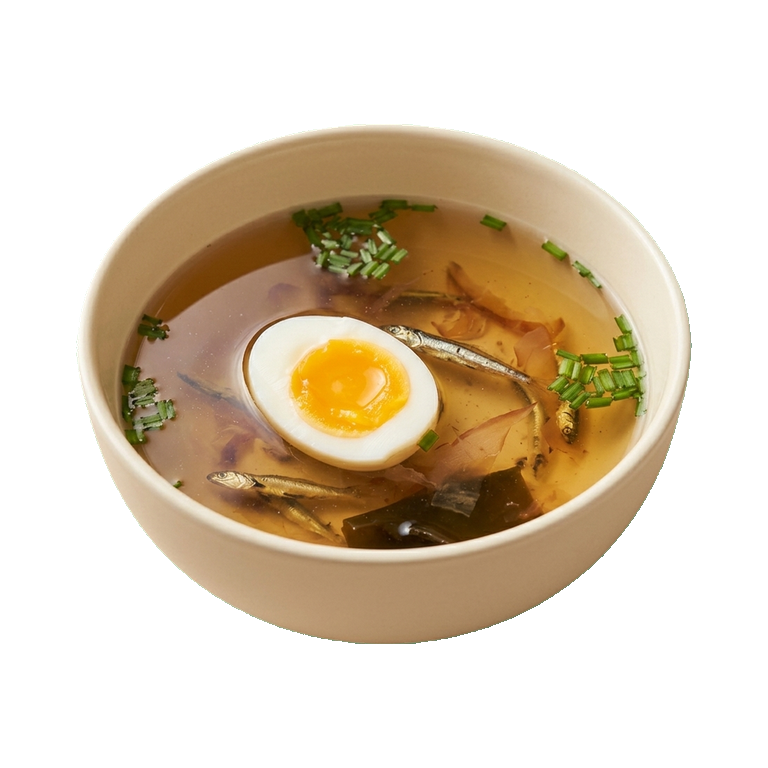
Usuba
Usuba
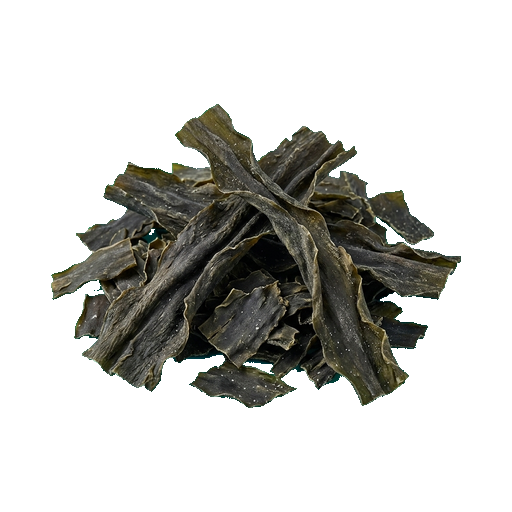
Dried kelp
Dried kelp is seaweed that has been dried and is ready for use in cooking. It has a characteristic marine aroma and a slightly salty taste with iodine notes that unfold when soaked or boiled. Kelp is often used in Asian cuisine for soups, salads, and side dishes, and also serves as a base for broths and seasonings — before use, it needs to be softened in water to restore its texture and fully reveal its flavor.
About
Dried laminaria is a sea vegetable that has become a convenient ingredient for the kitchen. When seaweed is dried, it becomes light, stores well for a long time, and is ready to use at any moment. It's not exotic and not an expensive luxury: just a practical product that adds depth of flavor and nutritional value to a wide variety of dishes.
Taste and texture
Dried kelp has a pronounced seafood flavor with a slight saltiness and barely noticeable sweetness. The texture depends on the cooking method: if simply poured with boiling water, it remains crispy; if boiled, it becomes softer and more gelatinous. The aroma is iodine-like, fresh, reminiscent of the coast. When chewed, a slight sliminess is felt, which frightens many at first, but this is completely normal and even beneficial.
Where and how to use
Dried kelp works well in soups, salads, rice dishes, and even bread. You can add it to broth a few minutes before it's ready, place it in a sushi roll with other ingredients, or soak and slice it for a salad. Japanese cuisine uses it as the base for dashi — a fundamental broth. Koreans add it to soups and side dishes. In European cuisine it's less common, but is becoming more popular as a component of healthy salads and vegan dishes.
- For soup: place pieces in boiling broth for 3–5 minutes, no more
- For salad: soak in cold water for 10–15 minutes, then chop
- For broth: simmer whole leaves for 20–30 minutes on low heat
- For crispy appetizer: chop and fry in oil with salt
What pairs with
Kelp pairs well with rice, noodles, and other grains — they balance its briny flavor. Vegetables like carrots, radishes, and cucumbers add freshness. Soy sauce, ginger, and garlic highlight its depth. It combines organically with fish and seafood, but also holds its own in vegetarian dishes. Acidity — lemon or rice vinegar — helps soften the intensity of the taste.
Selection and Storage
When purchasing, pay attention to the color: good dried kelp is dark green or olive-brown, without gray coating and not too brittle. The smell should be oceanic, without mustiness. Store in a tightly closed jar or bag in a cool dry place — if storage conditions are followed, it keeps for a year or longer. If the leaves start to crumble, that's fine: use them in soups and broths, where texture is less critical.
Dried kelp is not an adventure in the kitchen, but a quite accessible way to diversify your menu and add minerals to your diet. Start small: add a pinch to a soup or salad, and you'll quickly understand how to use it further.
Nutrition
per 100 g
- Calories
- 30 kcal
- Protein
- 6 g
- Fat
- 0.6 g
- Carbs
- 5 g
Measure calculator
- Weight
- 100 g
- Calories
- 30 kcal