Usuba
Usuba
Dried lavender flowers
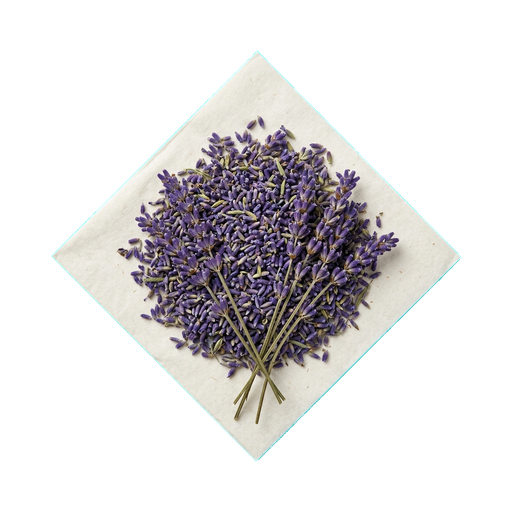
Dried lavender flowers have a pronounced floral aroma with subtle honey and herbal notes, while their taste is bitter, slightly sweet, and spicy. They are used in cooking to flavor baked goods, desserts, beverages, and sauces, as well as a garnish for finished dishes. When adding lavender, remember its intense flavor — start with a small amount, as lavender can easily overpower other aromas.
About
Dried lavender flowers are not just a decorative element on a shelf. In cooking, they work as a spice with a characteristic bitter taste and intense aroma. When you add them to a dish, lavender doesn't disappear unnoticed: it makes itself known clearly and demands respect for the dosage. It's not a universal seasoning, but rather a tool for specific tasks.
Aroma and Taste
The scent of dried lavender is recognizable from the first breath: sweet, floral, but with notes of camphor and a light tartness. The taste is more complex — here sweetness coexists with bitterness, and the aftertaste can be slightly soapy if you overdo it. That's exactly why lavender needs to be dosed carefully: a pinch — and you enhance the dish, a teaspoon — and you risk overpowering all the other flavors.
Where Lavender Works in Cooking
- Baking and desserts — cookies, cupcakes, cakes with lavender have become classics. Flowers here reveal themselves more gently than in spicy dishes.
- Honey and jams — lavender gives them floral complexity. Especially successful is the combination with honey and lemon.
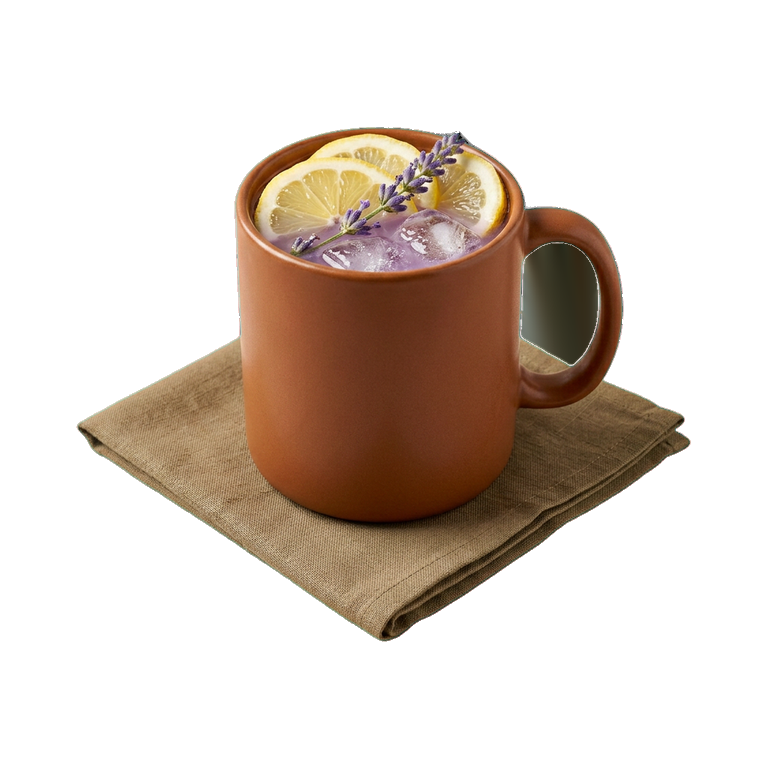
- Beverages — tea, lemonades, cocktails. In hot tea, lavender opens up more fully, in cold drinks it acts more delicately.
- Savory dishes — lamb, duck, fish. Here lavender works as part of a herbal blend, balancing the richness of meat.
- Sauces and marinades — especially for game and red meat. Pairs well with rosemary, thyme, juniper.
Combinations and Proportions
Lavender pairs well with citrus — lemon and orange soften its bitterness and make the flavor brighter. It creates a classic combination with honey. Rosemary and thyme are its natural partners in meat dishes. Vanilla in sweet recipes enhances its floral notes. Start with a very small amount: a quarter teaspoon per portion of dough or marinade — this is a good starting point. If you want a more pronounced flavor, add more, but remember that lavender does not forgive mistakes.
Selection and Storage
When purchasing, pay attention to the color: good dried lavender retains a purple or gray-blue hue and does not turn brown. The scent should be clean and aromatic, without mustiness. The flowers should be whole, not turned into dust. Store lavender in an airtight container, in a dark, cool place, away from moisture. This way it will retain its aroma for up to a year. If the scent has become weak or unpleasant, the spice will no longer help your dish.
Lavender is a spice for experimentation. Start small, feel how it behaves in your favorite recipes, and gradually learn how to dose it. Mistakes when working with it teach you the most.
Don't be afraid to try lavender in new contexts: it can unexpectedly enhance a salty cream soup, add depth to a creamy sauce, or make ordinary sugar for sprinkling on cookies truly special. The main thing is to respect its power and start with minimal amounts.
Nutrition
per 100 g
- Calories
- 280 kcal
- Protein
- 10 g
- Fat
- 7 g
- Carbs
- 40 g
Measures and weight
- 1 tbsp
- 4.5 g
- 1 tsp
- 1.5 g
- 1 cup
- 75 g
Measure calculator
- Weight
- 100 g
- Calories
- 280 kcal