Usuba
Usuba
Beet kvass
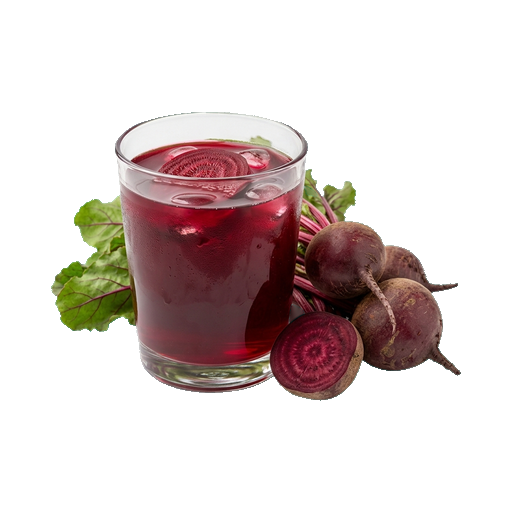
A fresh beverage with a soft sweet and sour taste and earthy notes, made from fermented beets. Primarily used for preparing cold soups, especially borscht and svekol'nik, as well as a base for marinades and sauces. When selecting, it is important to pay attention to the saturation of color and the absence of foreign odors — quality kvass has a pleasant fermented aroma with pronounced beet notes.
About
Beet kvass is a living beverage produced through the fermentation of fresh beets with salt, spices, and starter culture. It has a dark burgundy color, a slightly tangy taste, and a characteristic earthy sweetness. It is not just a drink, but a functional ingredient that adds depth to dishes and works as a natural preservative.
Taste and Aroma
The main profile is acidity with mineral notes. Beets provide sweetness, but it is overwhelmed by fermentation, which creates a slight tartness. If spices are added to kvass, warm notes emerge. The aroma is earthy, slightly yeasty, with a hint of vinegar — but not sharp, rather pleasant.
How to use in the kitchen
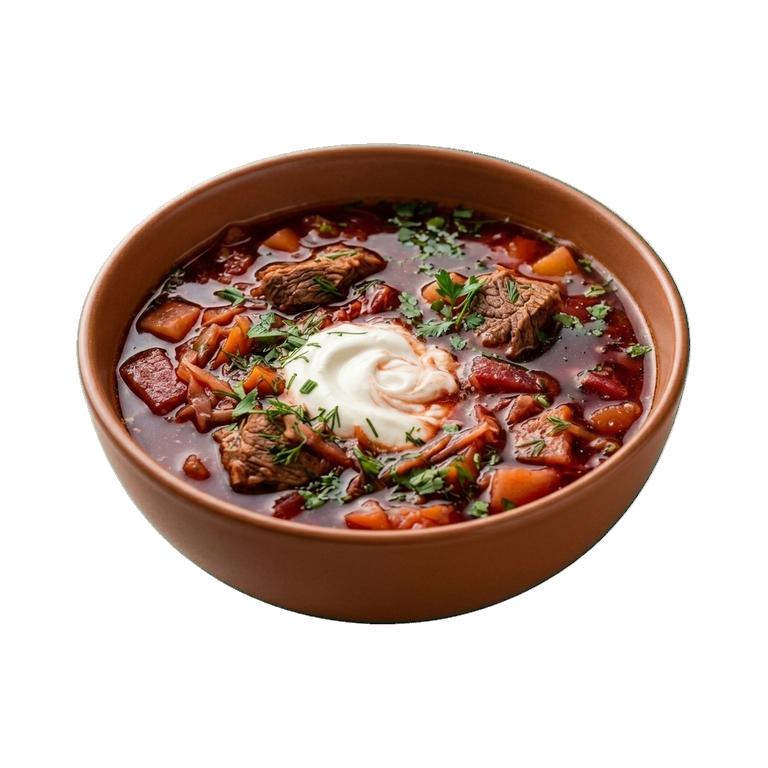
Beet kvass works in several ways. It is added to borscht and beet soups to enhance flavor and color — literally one or two tablespoons change the character of the dish. It works great for marinades for meat and fish, giving them complexity. In salads with raw beets or boiled vegetables, kvass works as an acidic component instead of vinegar, but with greater depth.
Pairings
- With meat — beef, duck, pork become tender and acquire complex flavors
- With root vegetables — carrots, radish, turnip, potatoes reveal themselves in a new way
- With herbs — dill, parsley, horseradish enhance piquancy
- With dairy products — sour cream, cottage cheese, yogurt create contrast
- With grains — barley, rye in soups and porridge
Selection and Storage
Beet kvass is usually sold in glass jars or bottles. Pay attention to the color — it should be rich, dark burgundy, without cloudiness. The smell should be pleasantly sour, without a moldy tint. Check the production date: fresh kvass works more actively.
Kvass should be stored in the refrigerator at a temperature of 2-8 degrees. In an open jar, it retains its properties for 1-2 weeks, in a closed jar — up to a month. If you are making kvass yourself, let it ferment at room temperature for 3-5 days, then move it to the cold. Over time, the taste becomes more pronounced and sour — this is normal.
Practical Tips
- Start with a small amount — half a cup per pot of borscht, then adjust to your taste
- If kvass is too sour, dilute it with water or add it to the dish gradually
- For marinades, mix kvass with oil and spices — you'll get a rich base
- In cold soups (okroshka, beet soup) add kvass at the end to preserve the fresh notes
Nutrition
per 100 ml
- Calories
- 20 kcal
- Protein
- 0.5 g
- Fat
- 0.1 g
- Carbs
- 4 g
Measures and weight
- 1 tbsp
- 15 g
- 1 tsp
- 5 g
- 1 cup
- 250 g
Measure calculator
- Weight
- 100 g
- Calories
- 20 kcal