Usuba
Usuba
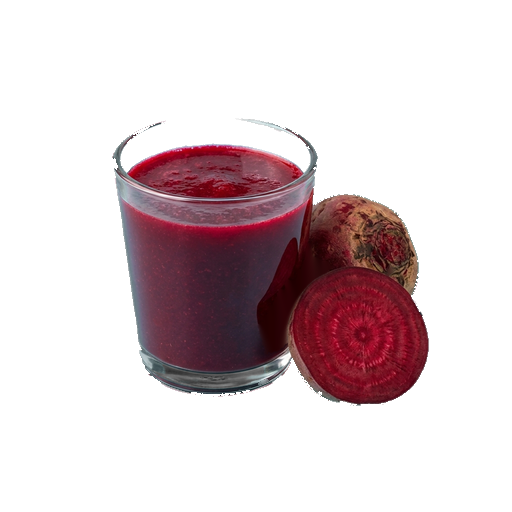
Beet Juice
Freshly pressed or reconstituted beet juice with a rich earthy flavor and natural sweetness, often used as a colorant and base for sauces, borscht, and beverages. In cooking, it is valued for its ability to impart a deep burgundy color and subtle tartness to dishes, pairing well with vinegar, sour cream, and herbs. When selecting, it is important to pay attention to concentration — pure juice is more intense in flavor than diluted juice, which is why it is often diluted with water or other liquids depending on the recipe.
About
Freshly squeezed beet juice is one of the brightest and most nutritious juices in the kitchen. Its deep burgundy color immediately catches the eye, and the taste is simultaneously sweet and earthy, with a slight bitterness. In cooking, this juice works both as a standalone beverage and as an ingredient for sauces, marinades, and desserts. Its concentration means that it is often diluted with water or mixed with other juices to achieve a more balanced flavor.
Taste and Aroma
Beet juice has a pronounced sweetness with an umami undertone — that very savory depth that makes it interesting in complex dishes. The earthy note in the taste is not a drawback, but its distinctive feature. The aroma is rich, somewhat herbaceous, especially if the juice is freshly pressed. As it sits, the aroma becomes less pronounced, so freshness directly affects the quality of taste.
Role in Dishes
- Beverages: drink neat, dilute with water or mix with carrot, apple, orange juice for smoothness
- Sauces and marinades: adds color and sweetness to meat, fish, vegetables; works in vinaigrettes and dressings
- Desserts: used in mousses, jellies, jams; colors dough in pink or purple
- Cold soups: base for borscht or beetroot soup in summer
- Cocktails: mixed with vodka, gin, liqueurs for unusual color and taste
Combinations with other ingredients
Beet juice pairs well with acidity — lemon, vinegar, and fermented dairy products. Its sweetness is balanced by sharp spices like black pepper, ginger, and horseradish. Mustard, horseradish, and hot sauces emphasize its depth. It works especially well with herbs: dill, parsley, and mint refresh the juice and make it lighter. Creamy sauces and sour cream soften the intensity of the flavor.
Selection and Storage
Freshly squeezed juice is ideal, but it should be stored in the refrigerator for no more than two days. Pasteurized juice in a carton is stable for longer, but will lose some of its aroma. When choosing, pay attention to the color: a bright, rich burgundy indicates good beet ripeness. If making juice at home, use young medium-sized beets — they contain more juice and have less earthy taste. Juice oxidizes quickly, so prepare it immediately before use.
- Freshly squeezed: refrigerator, 1–2 days in a closed container
- Pasteurized: cool place, after opening — refrigerator, 3–5 days
- Freezing: can be frozen in ice cube trays, store up to 3 months
Remember: beet juice is very concentrated. Start with a small amount and gradually increase it until you find the right balance. Its intensity can overpower the taste of delicate dishes.
Nutrition
per 100 ml
- Calories
- 43 kcal
- Protein
- 1.6 g
- Fat
- 0.2 g
- Carbs
- 9.6 g
Measures and weight
- 1 tbsp
- 15.3 g
- 1 tsp
- 5.1 g
- 1 cup
- 255 g
Measure calculator
- Weight
- 100 g
- Calories
- 42 kcal