 Usuba
Usuba
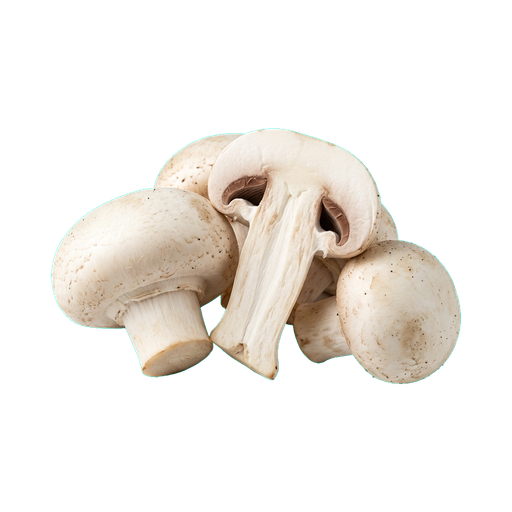
Fresh mushrooms
Fresh mushrooms are a versatile ingredient with a delicate texture and earthy aroma that develops when heated. Depending on the variety (button mushrooms, oyster mushrooms, white mushrooms), mushrooms can be firmer or softer, with pronounced or subtle flavors. When selecting, pay attention to the integrity of the cap without dark spots or slime, and when cooking, remember that mushrooms absorb a lot of oil and moisture, so it's best to fry them in a well-heated pan or dry them beforehand.
About
Fresh mushrooms are one of the most rewarding ingredients in the kitchen. They are versatile, quick to cook, and capable of transforming a simple dish into something truly aromatic and satisfying. The key is to learn how to select quality mushrooms and prepare them correctly to unlock their full potential.
Aroma and taste
Each type of mushroom has its own character. Button mushrooms are neutral and mild, easily absorbing surrounding flavors. Oyster mushrooms have a more pronounced earthy aroma and dense texture. Porcini mushrooms impart a noble, almost nutty note. Chanterelles delight with fruity notes. Honey mushrooms are delicate and subtle, revealing their best qualities with prolonged heat treatment.
The freshness of mushrooms directly affects the intensity of taste. Freshly picked or purchased mushrooms have a rich aroma, which gradually fades with each day of storage. Therefore, if you notice a strong mushroom smell in the store, it is a sign of freshness, not spoilage.
Role in dishes
Mushrooms work everywhere: in soups they create a deep, rich broth; in risotto they become its foundation and texture at once; in salads they add an earthy contrast to fresh greens; in pastas they serve as a complete protein component; in side dishes they compete with meat in terms of satiety.
- Quick frying over high heat with oil and garlic — a classic that always works
- Stewing in cream or broth reveals the tenderness of mushrooms
- Baking in the oven with herbs and cheese creates a crispy crust
- Boiling for soups and broths — time-consuming, but gives maximum flavor
Successful Combinations
Mushrooms pair well with garlic and onions — they enhance each other. With cream and sour cream, they create creamy sauces that work wonderfully with pasta and grains. With thyme and rosemary, they form an aromatic duo. With cheese (especially parmesan), they play on textural contrast. With acidity — lemon juice or white wine — mushrooms become more lively and fresh.
White mushrooms go well with potatoes and grains. Oyster mushrooms pair comfortably with soy sauce and ginger. Button mushrooms are versatile and suitable for almost anything you plan to cook.
Selection and Storage
When selecting, look at the appearance: mushrooms should be firm, without slime, with an intact cap and stem. Avoid darkened or soft specimens — this is a sign of age. The smell should be pleasant, earthy, without mustiness.
- Store mushrooms in the refrigerator in a paper bag, not plastic — this way they breathe and don't sweat
- Don't wash them in advance: mushrooms absorb water like a sponge. Wipe with a damp cloth right before cooking
- Fresh mushrooms keep for 3-5 days depending on the variety
- If you have a lot of mushrooms, fry them and freeze — they keep for months and are ready to use
Fresh mushrooms demand respect, but not complexity. Simple preparation often yields better results than elaborate recipes. Let mushrooms be mushrooms — and they will reward you with a deep flavor and aroma that won't be forgotten.
Nutrition
per 100 g
- Calories
- 22 kcal
- Protein
- 3.1 g
- Fat
- 0.3 g
- Carbs
- 3.3 g
Measures and weight
- 1 pcs
- 25 g
Measure calculator
- Weight
- 100 g
- Calories
- 22 kcal
