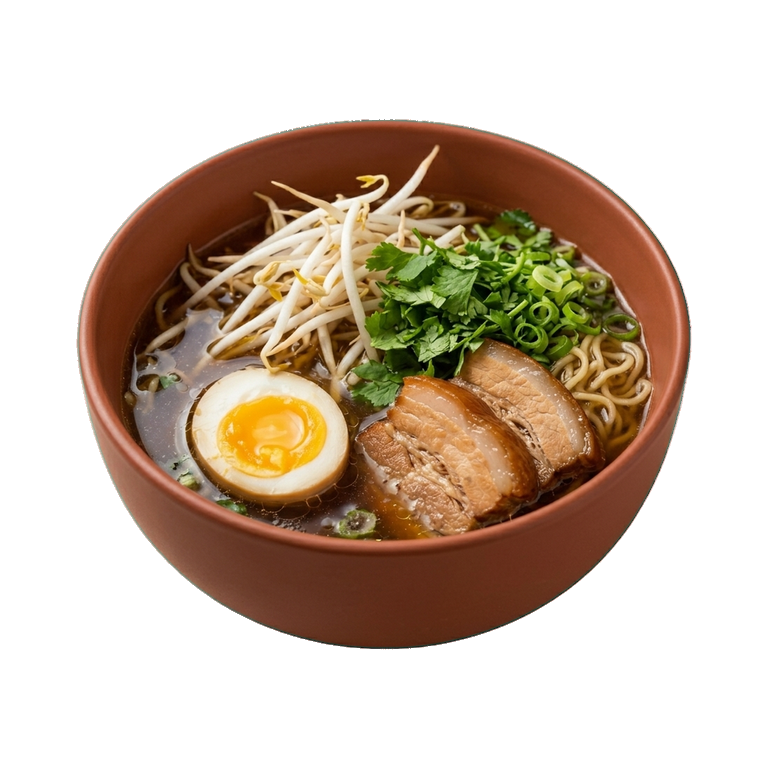
Usuba
Usuba
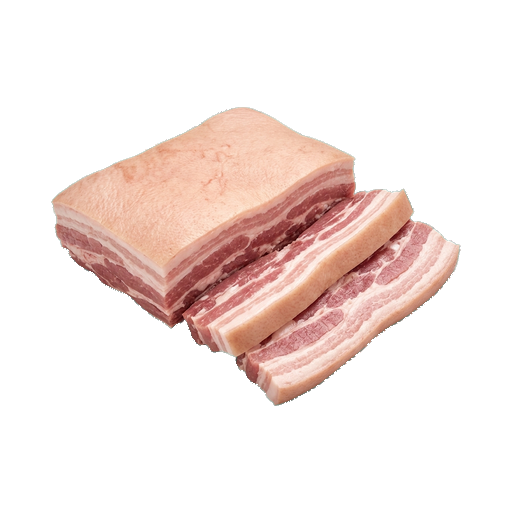
Pork brisket
Pork belly is meat with fat layers from the lower part of a pig's chest, distinguished by its intense flavor and tender texture when properly heat-treated. It is used for roasting, smoking, braising, and making broths, as the fat gives dishes richness and juiciness. When selecting, look for cuts with pink meat and white fat, and when substituting, you can use ribs or ham, though the flavor profile will be slightly different.
About
Pork brisket is one of the most versatile and rewarding cuts of meat for the kitchen. It comes with a good layer of fat, which makes it ideal for both long braising and smoking. The meat here is fibrous and dense, so it requires the right approach, but the result always justifies the time spent.
Taste and texture
Brisket has a rich meaty flavor with a slight sweetness. Fat layers give it juiciness and tenderness when prepared properly. Raw meat is quite tough, but after long cooking becomes tender and almost melts in your mouth. The texture is fibrous, so it's better to slice cooked brisket against the grain — this makes it more tender.
How to Cook Brisket
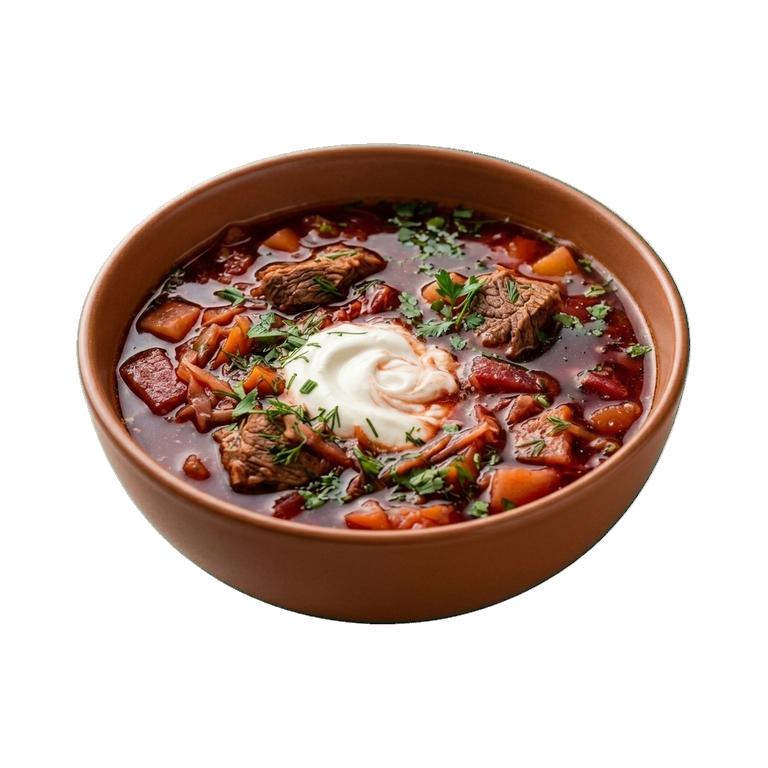
- Stewing — the most classic method. Brisket is stewed with vegetables and broth for 2–3 hours over low heat until the meat becomes tender.
- Smoking — cold or hot smoking emphasizes the fat flavor and imparts a characteristic aroma.
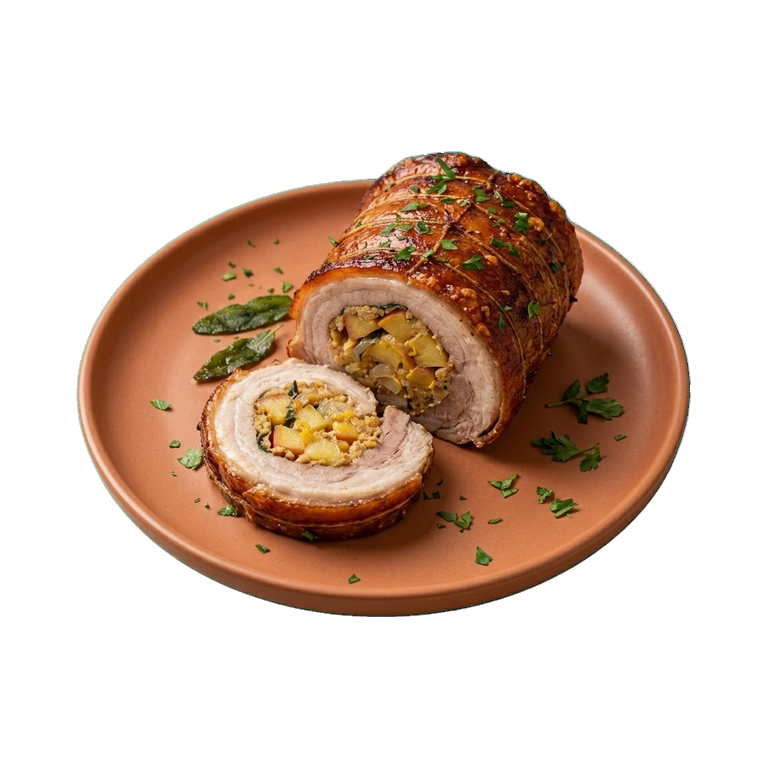
- Baking — you can bake a whole piece in the oven at low temperature, after pre-treating it with spices.
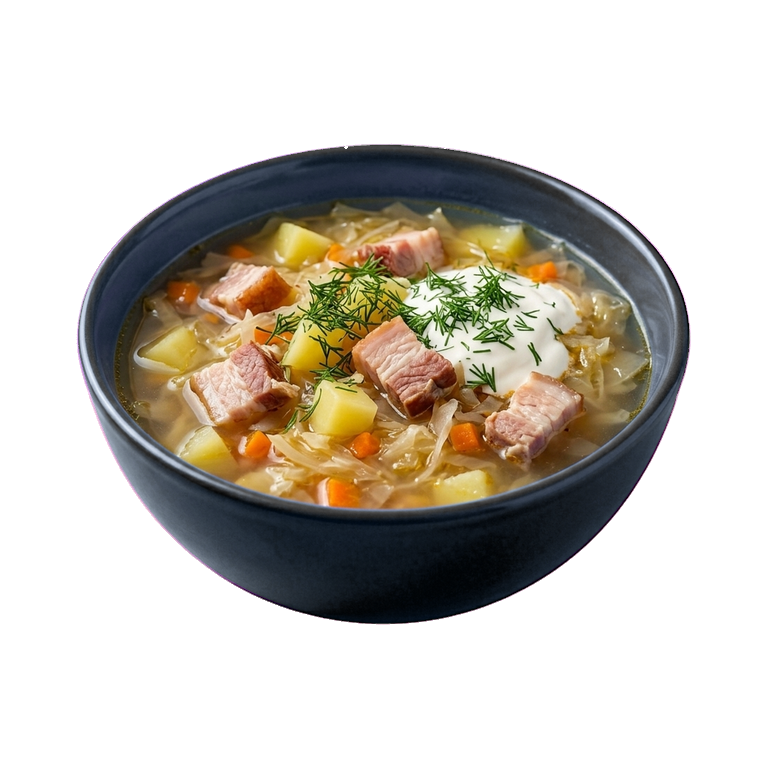
- Boiling — for broths and aspics, brisket provides an excellent gelling effect thanks to collagen.
- Slow cooking in a multicooker or double boiler — a convenient way to get tender meat without much fuss.
What pairs with
Brisket works well with acidity — tomatoes, vinegar, wine. Spices like black pepper, bay leaf, thyme and rosemary highlight its meaty flavor. Vegetables like carrots, onions and celery perfectly complement braising. Sharp sauces based on mustard or horseradish contrast nicely with the richness of the meat.
Selection and Storage
- Choose pieces with even fat marbling — too thin a layer will give dry meat, too thick can be heavy.
- The color should be light pink, without brown spots and odor.
- Store fresh brisket in the refrigerator for no more than 3–4 days, in the freezer — up to 4 months.
- Before cooking, remove the meat from the freezer and let it thaw in the refrigerator — this way it will retain more moisture.
The main secret to perfect brisket is patience. This is not meat for rush. Long, slow cooking will turn a tough piece into a delicacy that will melt in your mouth.
Nutrition
per 100 g
- Calories
- 518 kcal
- Protein
- 11 g
- Fat
- 53 g
- Carbs
- 0 g
Measure calculator
- Weight
- 100 g
- Calories
- 518 kcal