Usuba
Usuba
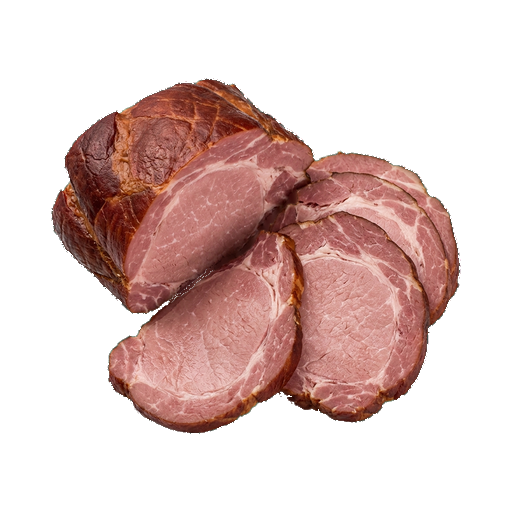
Smoked Pork
Smoked pork is meat processed with smoke at low or high temperature, which gives it a deep smoky aroma and rich flavor with a slight bitterness. It is used in soups, borscht, when preparing bean dishes, and as a standalone appetizer. When choosing, pay attention to the color — it should be uniform, ranging from light brown to dark, and the meat should not be overdried; when substituting, smoked sausages or bacon will work, although they will give a more pronounced salty taste.
About
What does smoked pork bring to a dish
Smoked pork is not just meat, but a ready-made ingredient with a bold character. The smoke that penetrates the fibers during smoking creates a deep flavor that works as a flavor enhancer in soups, stews, and side dishes. Even a small piece is capable of filling an entire dish with aroma and saltiness, which is why it is often used sparingly — not as a base, but as an accent.
Different parts — different possibilities
You can find different options on the shelves. Smoked ribs are meaty, with a good texture, and are suitable for boiling and frying. Smoked brisket is denser, making it easier to slice thinly for appetizers or add to dishes in whole pieces. Smoked lard is the fatty part that adds depth to broths and gives softness to side dishes. Each part requires a different approach when cooking.
How to cook and combine
Smoked pork is rarely fried from scratch — it's already ready to eat. Usually it's boiled to tenderize it, or added to soup and stewed dishes in the final minutes of cooking to preserve the aroma. If you need to remove excess salt, soak the piece in cold water for an hour before using.
- In soups: borscht, cabbage soup, bean soup — smoked pork gives them density and a smoky background
- In side dishes: with potatoes, lentils, legumes — meat and carbohydrates complement each other
- In stewed dishes: with cabbage, carrots, onions — vegetables absorb the smoked flavor
- As an appetizer: thinly sliced smoked brisket with bread, mustard and vegetables
Selection and Storage
When selecting, pay attention to the color — it should be uniformly dark, without pale spots. The smell should be pleasant, smoky, without mustiness. If the meat is sticky or has an unpleasant odor, this is a sign of spoilage. Smoked pork is stored in the refrigerator in a sealed package or container for up to two weeks, in the freezer — for several months.
Remember: smoked pork already contains salt and spices. Before salting the dish, taste it — often adding salt is not necessary. This will help you avoid oversalting and allow you to appreciate the true flavor of the ingredient.
Nutrition
per 100 g
- Calories
- 350 kcal
- Protein
- 15 g
- Fat
- 30 g
- Carbs
- 0 g
Measures and weight
- 1 slice
- 20 g
Measure calculator
- Weight
- 100 g
- Calories
- 350 kcal