Usuba
Usuba
Pork fat
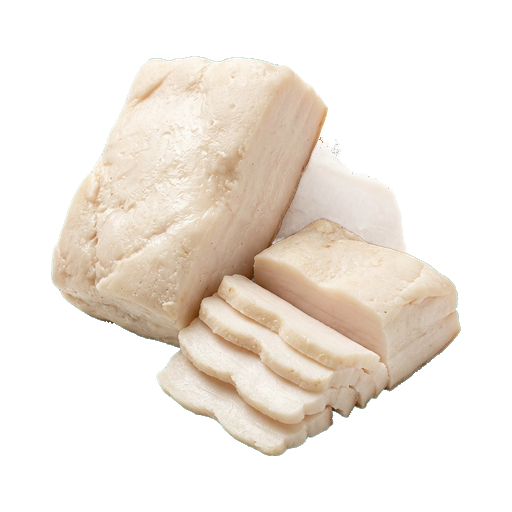
Pork fat is a versatile culinary ingredient with a delicate buttery flavor and a high smoke point, making it ideal for frying, stewing, and baking. It imparts a characteristic yet subtle aroma to dishes and improves the texture of baked goods, making them more crumbly and airy. When selecting pork fat, pay attention to its color and smell — quality fat should be white or light cream-colored and have a clean aroma without unpleasant notes.
About
Pork fat is one of the most versatile and reliable helpers in the kitchen. It is valued for its high smoke point, clean taste, and ability to add depth to dishes. Unlike oil, fat does not burn during intense frying, and its own aroma hardly competes with other ingredients — rather, it supports them.
Aroma and Flavor
Quality pork fat has a subtle, barely noticeable meat aroma that becomes more pronounced when heated. The taste is neutral, buttery, without bitterness. If the fat smells sharp or unpleasant, this is a sign of improper storage or low-quality raw material — it's better not to use it.
Rendered fat (melted and strained) differs from raw fat by its lighter color and milder taste. It is more convenient to measure and store, and it withstands prolonged storage at room temperature better.
Role in dishes
Pork fat is ideal for frying potatoes, meat, vegetables, and eggs. It creates a crispy crust and distributes evenly across the pan. It works well for cooking dishes that require high temperatures: cutlets, steaks, and chops. Fat is also used in baking — it makes dough flaky and crumbly, especially in pies and pastries.
In pâtés, sausages, and ground meat, pork fat provides the necessary consistency and juiciness. It is added to soups and stews to enhance the flavor. Even a small amount of fat added at the end of cooking can transform a simple dish.
Selection and Storage
Choose fat that is pure white or cream-colored without spots or darkening. The smell should be pleasant, meaty, without acidity. Rendered fat is often sold in glass jars — this is convenient as you can see the quality of the product. Raw fat is better to buy from trusted butchers or specialty stores.
- Clarified butter is stored at room temperature in a closed container for several months
- Raw fat is better kept in the refrigerator, wrapped in parchment or in an airtight container
- Both types tolerate freezing well in the freezer — up to six months
- If the fat starts to smell rancid or changes color, it can no longer be used
Practical Tips
If you don't have ready-made fat, it's easy to render it yourself from raw lard. Cut it into small pieces, place it in a pan over low heat and wait until the fat is completely rendered and the cracklings sink to the bottom. Strain through cheesecloth — done.
For frying, use fat at room temperature or slightly warmed — this way it distributes better. Don't worry if the fat smokes when heated: this is normal, its smoke point is high. The main thing is to avoid black smoke, which is a sign of overheating.
Nutrition
per 100 g
- Calories
- 898 kcal
- Protein
- 0 g
- Fat
- 99.8 g
- Carbs
- 0 g
Measures and weight
- 1 tbsp
- 13.8 g
- 1 tsp
- 4.6 g
- 1 cup
- 230 g
Measure calculator
- Weight
- 100 g
- Calories
- 898 kcal