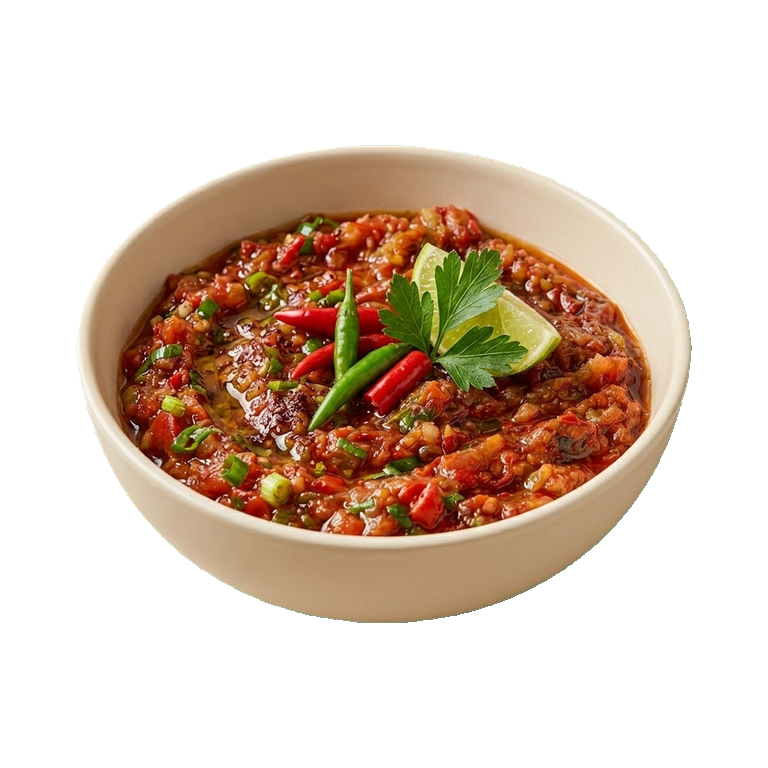
Usuba
Usuba
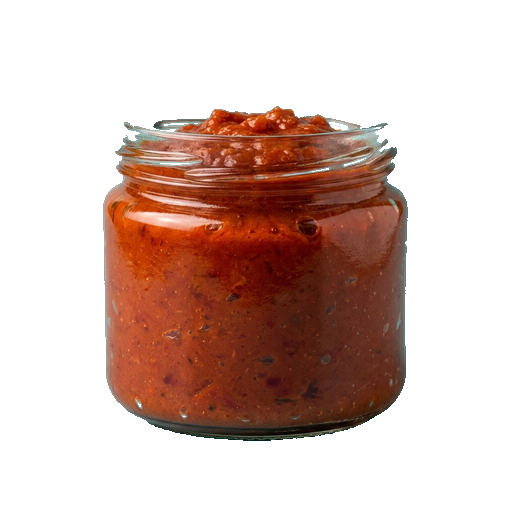
Sweet Pepper Paste
A thick paste made from sweet peppers, often with added tomatoes, garlic, and spices, featuring a characteristic mild, sweet-spicy flavor and rich red color. Used as a base for sauces, marinades, and dressings, as well as a standalone side dish or appetizer. When choosing, pay attention to consistency and sugar content — the paste should be homogeneous without lumps. As a substitute, you can use tomato paste with added sweet pepper or a homemade version made from roasted peppers.
About
Sweet pepper paste is a thick sauce where sweetness and spiciness dance in perfect balance. It is made from red pepper, sugar, and spices, achieving a consistency that spreads easily and holds its shape. In the kitchen, it is a versatile helper: it works equally well as a base for marinades or as a standalone sauce for meat or vegetables.
Taste and Aroma
The pasta reveals itself on the palate in layers: first you notice a soft sweetness, then comes a peppery sharpness that doesn't bite your tongue but warms it. The aroma is rich, with caramel notes from cooking and a subtle smokiness. There is spiciness present, but it never becomes aggressive — it's more of a character trait than an attack.
Where pasta reveals itself
Try using it as a marinade for chicken or pork — the paste clings to the meat and creates a caramelized crust when frying. Spread it on bread instead of ketchup, add it to cream cheese for an appetizer, or mix it with yogurt for a sauce to serve with skewers. It works great in Asian dishes where you need a balance of sweet and spicy.
Successful Pairings
- Meat: chicken, pork, duck, grilled beef
- Vegetables: eggplant, zucchini, tomatoes, bell pepper
- Dairy products: cream cheese, yogurt, sour cream for sauces
- Herbs: cilantro, parsley, basil enhance freshness
- Spices: garlic, ginger, turmeric complement the flavor profile
How to Choose and Store
When buying, look at the color — it should be bright red or dark orange, without gray spots. The consistency should be thick, uniform, without layering. Check the ingredients list: it should contain pepper, sugar, spices, and minimal preservatives. The paste is stored in a cool place in a tightly closed jar for months, and in the refrigerator — even longer.
Kitchen Tip
If the paste seems too sweet, dilute it with lemon juice or vinegar — the acidity will bring out the spiciness. If it's too spicy — add a bit of honey or butter. Don't be afraid to experiment: the paste adapts well to your taste and easily transforms into a completely new sauce.
Nutrition
per 100 g
- Calories
- 150 kcal
- Carbs
- 28 g
Measures and weight
- 1 tbsp
- 16.5 g
- 1 tsp
- 5.5 g
- 1 cup
- 275 g
Measure calculator
- Weight
- 100 g
- Calories
- 150 kcal