Usuba
Usuba
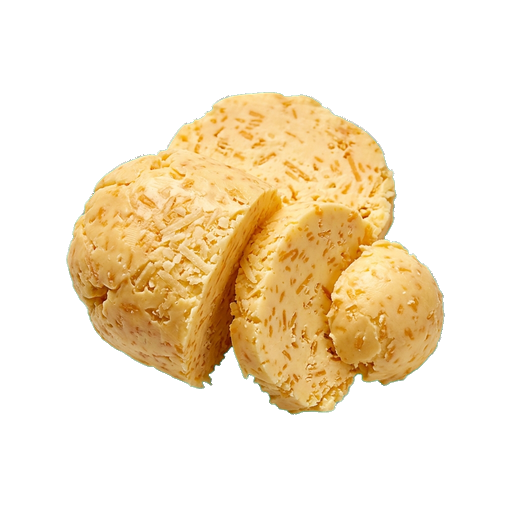
Cheese butter
Butter blended with grated hard cheese, typically varieties like Parmesan or Cheddar, that creates a rich, creamy cheese flavor with a subtle saltiness. Used for spreading on bread, adding to hot dishes to enhance depth of flavor, and as a finishing touch for steaks, vegetables, and pasta. When selecting, it's important to check the butter's freshness and ensure the cheese is evenly distributed to avoid lumps when melting.
About
Cheese butter is not just a mixture, but a true union of two classic ingredients that enhance each other in the kitchen. Soft butter absorbs the sharp, salty character of grated cheese, creating a paste with deep flavor and many uses. Such butter works as a universal helper: it can be the final touch to a hot dish, a base for sauce, or a spread on bread before baking.
Aroma and taste
The character of cheese butter depends on the choice of cheese. If you use a sharp aged cheese, you'll get a piquant paste with a bright, almost spicy aftertaste. Soft cheeses produce a more delicate, creamy result with subtle salt. The butter in this case becomes a conductor — it distributes the cheese flavor evenly and makes it less aggressive, adding smoothness and an enveloping texture. When heated, the aroma unfolds more intensely, which is why cheese butter works especially well in hot dishes.
Where to use in the kitchen
- Place a piece on hot steak or vegetables — the butter melts and creates an instant sauce
- Spread on bread before toasting or baking in the oven
- Add to pasta or risotto at the end of cooking to enrich the flavor
- Use as a base for sauce: melt, dilute with white wine or broth
- Place on hot soup for aroma and depth
- Mix with breadcrumbs for cutlets or fish
Combinations and Harmony
Cheese butter pairs well with simple, honest products: white fish, chicken, beef, and grilled vegetables. If you add finely chopped garlic, fresh parsley, or black pepper to the butter, you'll get a more complex and interesting flavor. With mushrooms, cheese butter creates an umami bomb, especially if you use aged cheese with sharp notes.
Selection and Cooking
Cheese butter is easy to make at home: soften butter and mix it with finely grated cheese in a ratio of approximately 4 to 1. The cheese should be of good quality — its character will determine the result. The finished butter can be rolled into a log, wrapped in parchment, and frozen, then sliced into rounds as needed. It keeps in the refrigerator for a week, in the freezer for several months.
If you are buying ready-made cheese butter, check the expiration date and storage conditions — it should be kept in the refrigerator. The smell should be clean, cheesy, without rancid or strange notes. The color is usually light yellow or slightly more saturated depending on the cheese.
Cheese butter is a small trick that makes an ordinary dish memorable. Keep it on hand for the final minutes of cooking, and a simple dinner will turn into something special.
Nutrition
per 100 g
- Calories
- 748 kcal
- Protein
- 0.3 g
- Fat
- 82.5 g
- Carbs
- 0.5 g
Measures and weight
- 1 tbsp
- 13.7 g
- 1 tsp
- 4.5 g
- 1 cup
- 227.5 g
Measure calculator
- Weight
- 100 g
- Calories
- 748 kcal