Usuba
Usuba
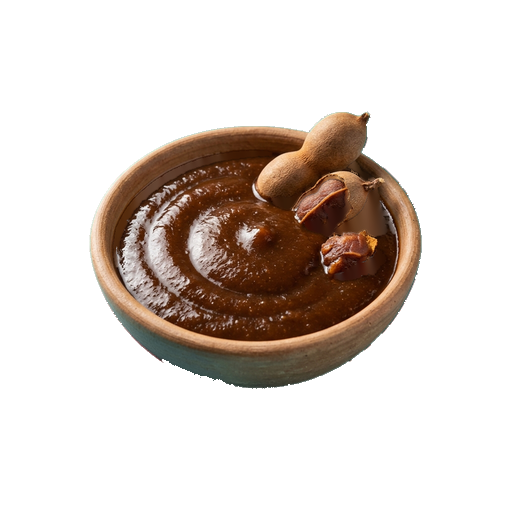
Tamarind paste sauce
A sweet and sour sauce with a deep, slightly fruity flavor of tamarind paste serves as the base for many Asian dishes. It is prepared by diluting concentrated paste with water or broth and adding sugar, salt, and spices to taste. Such sauce complements fried dishes, noodles, rice, and seafood well, and when choosing paste, it is important to ensure its quality — good paste should be homogeneous without lumps and foreign impurities.
About
Tamarind paste is a concentrated pulp of ripe pods that gives sauces a deep tanginess with a subtle sweetness and barely perceptible bitterness. When the paste becomes the base of a sauce, it transforms: water, spices, and sometimes sugar or fish sauce are added, resulting in a liquid capable of radically changing the character of a dish. Such a sauce works as a flavor enhancer, revealing new facets in familiar ingredients.
Aroma and Taste
Tamarind sauce has a complex flavor profile. The first impression is a bright acidity — but not sharp like vinegar, rather enveloping, with fruity notes. This is followed by a subtle sweetness that balances the acidity, and then a light bitterness and pungency emerge. The aroma is simultaneously fruity and spicy, with a hint of caramel. Thanks to this balance, the sauce doesn't overpower the dish but complements it, adding depth.
Role in dishes
- Dip for fried appetizers: vegetables, shrimp, wings — acidity cuts through richness
- Glaze for meat and poultry when baking or grilling — gives the dish a sweet and sour crust
- Dressing for salads with vegetables, herbs and nuts — revives tired ingredients
- Component in marinades for fish and seafood — tenderizes fibers and adds aroma
- Sauce for rice and noodle dishes — universal flavor enhancer without excessive spice
Combinations and pairings
Tamarind sauce pairs well with spicy spices — chili, black pepper, ginger. Garlic and onion in its composition create an aromatic base. If you add a bit of soy sauce or fish sauce, the sauce becomes more piquant and deep. Coconut milk will soften the acidity and add creaminess. Fresh cilantro, mint, or basil will brighten the taste. The sauce also works with simpler combinations: sugar, salt, water — and you already get a harmonious flavor.
Selection and Storage
Ready-made tamarind sauce is sold in jars and bottles — usually with an indication of spice level and other components. Choose a sauce without unnecessary preservatives and additives if possible. Check the consistency: it should be liquid enough for convenient use, but not watery. If the sauce is too concentrated, it can be easily diluted with water or broth right before serving.
An open jar should be stored in the refrigerator in an airtight container — the sauce will keep for several weeks. If you prepare the sauce yourself from tamarind paste, the finished product should also be kept in a cool place. At room temperature, the sauce may start to ferment, especially if it contains no preservatives. Before use, check the smell and appearance — any signs of mold or unpleasant odor — is a signal to discard the product.
Tamarind sauce is a universal kitchen helper. Keep it on hand for quick transformation of simple dishes: it works equally well with Asian cuisine and more familiar recipes.
Nutrition
per 100 g
- Calories
- 150 kcal
- Protein
- 1 g
- Fat
- 0.5 g
- Carbs
- 35 g
Measures and weight
- 1 tbsp
- 18 g
- 1 tsp
- 6 g
- 1 cup
- 300 g
Measure calculator
- Weight
- 100 g
- Calories
- 150 kcal