Usuba
Usuba
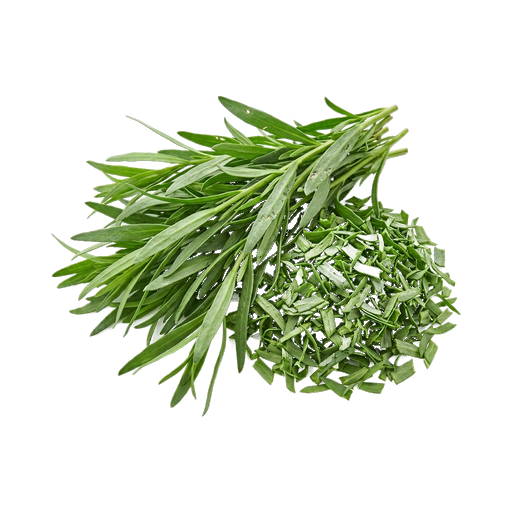
Tarragon, chopped
Tarragon is a spicy herb with a subtle anise aroma and a slightly sweet, somewhat sharp taste. Chopped leaves retain the intensity of the aroma and distribute well in sauces, dressings, marinades, and poultry and fish dishes. When adding tarragon to hot dishes, it is best to add it at the end of cooking to preserve its delicate flavor, while for cold sauces and salads it can be used more generously.
About
Chopped tarragon is dried tarragon leaves ready to use. Unlike fresh herbs, dried and ground leaves concentrate the aroma and become more convenient to work with: no need to wash, chop, or search in the refrigerator. Just a pinch is enough to feel the characteristic aniseed note with a slight bitterness.
Aroma and flavor
The taste of tarragon is complex: it intertwines notes of anise, licorice, and a barely perceptible peppery sharpness. When the herb is dried, these characteristics become brighter and more intense. The ground form allows the flavor to distribute more evenly throughout the dish than whole leaves.
Where to use
Tarragon is a classic component of French cuisine, but its use is much broader. It works well in marinades for chicken and fish, adding depth to cream-based or mustard sauces. A pinch in soup, especially chicken or vegetable, reveals it from a completely different angle.
- Marinades and dressings for meat and fish
- Creamy sauces and vinaigrettes
- Soups, especially chicken broth-based
- Seasoning for omelets and egg dishes
- Component for homemade spice and seasoning blends
How to dose
Dried tarragon is much more concentrated than fresh. If a recipe calls for a tablespoon of fresh leaves, one or two teaspoons of dried tarragon is enough. Start with a small amount — tarragon can easily overpower other flavors if overdone. Add it at the end of cooking or a few minutes before serving to preserve the aroma.
Good pairings
Tarragon pairs well with lemon and white wine — this trio creates a light, fresh profile. It forms a classic combination with mustard for sauces. Works well alongside parsley, savory, and garlic, but doesn't like competing with very hot spices.
Selection and Storage
Look for tarragon with a bright green color and rich aroma — these are signs of freshness. A dull gray shade indicates that the spice has been sitting on the shelf for a long time. Store in an airtight container, away from light and moisture. With proper storage, it maintains its quality for about a year, but it's best to use it within six months.
If you're cooking with tarragon for the first time, start with a marinade for chicken or a simple butter sauce — this way you'll feel its character without the risk of ruining a complex dish.
Nutrition
per 100 g
- Calories
- 295 kcal
- Protein
- 22.8 g
- Fat
- 7.2 g
- Carbs
- 50.3 g
Measures and weight
- 1 tbsp
- 3 g
- 1 tsp
- 1 g
- 1 cup
- 50 g
Measure calculator
- Weight
- 100 g
- Calories
- 295 kcal