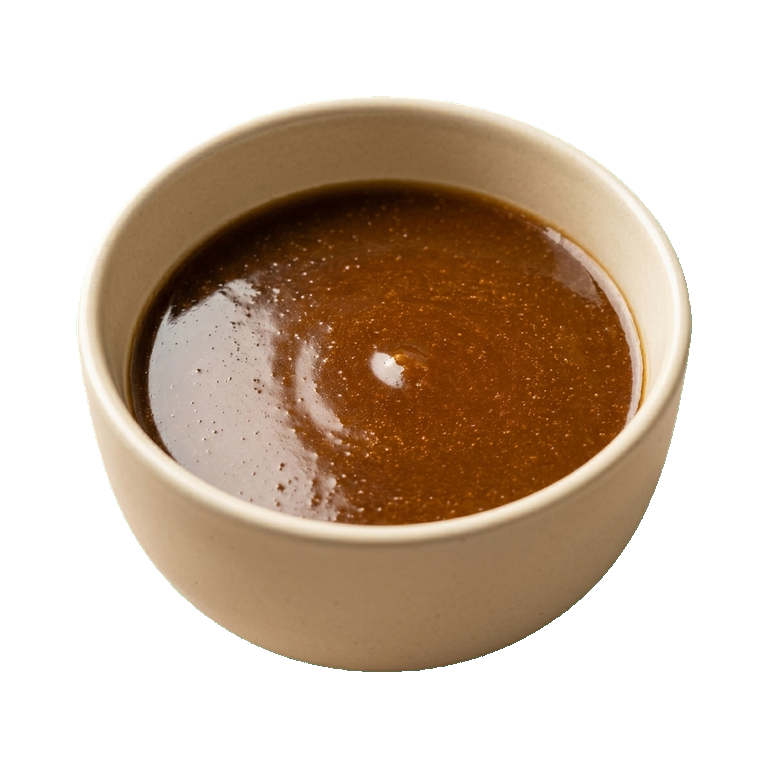
Usuba
Usuba
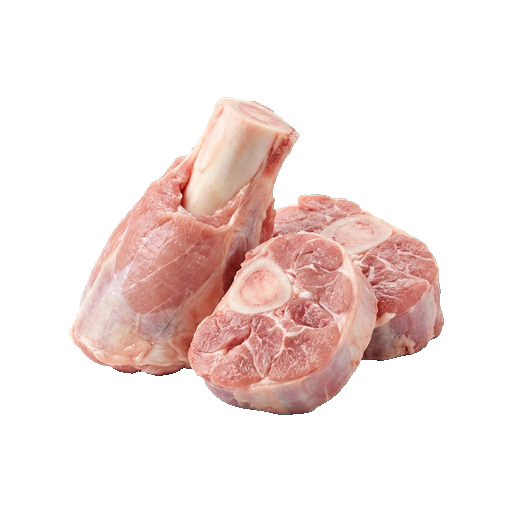
Veal Leg
Veal knuckle is meat on the bone from a young animal, rich in collagen and gelatin that transform into tender aspic with prolonged cooking. The meat has a delicate texture and mild flavor, making it ideal for preparing broths, jellied meat dishes, stews, and braised dishes. When selecting, pay attention to the color of the meat — it should be light pink, and the bone — white or slightly creamy, which indicates the youth of the animal and product quality.
About
Veal knuckle is one of the most rewarding bone ingredients in the kitchen. It's not just a scrap to be thrown away, but a full-fledged product capable of turning ordinary broth into a golden gelatinous nectar. Thanks to its high collagen and bone marrow content, it works in cooking like magic: giving body, aroma, and natural sweetness.
Taste and Aroma
Veal leg is distinguished by its soft, delicate flavor — much more subtle than beef. The meat around the bone has a tender texture, and the bone itself, during prolonged cooking, imparts a clean, unobtrusive aroma to the broth. This is an ideal base that doesn't overpower other ingredients, but rather enhances them.
Where does she work
The main purpose of veal knuckle is to make broth. A minimum of 4–6 hours of slow simmering will give you a clear, shimmering liquid golden nectar that sets in the refrigerator. Such broth is the base for soups, sauces, aspics, and jellies.
- Classic meat broths and consommé
- Base for white sauces (béchamel, velouté)
- Aspic and glazed dishes
- Risotto and paella (instead of regular broth)
- Collagen for homemade jellies and marmalades
How to Choose and Cook
When purchasing, pay attention to the color of the meat — it should be pale pink without dark spots. The bone should be clean with no unpleasant odor. Ask the butcher to saw the leg into parts — this way it will release its properties into the broth more quickly.
Before cooking, scald the leg with boiling water to remove dirt and blood. Place it in cold water, bring to a boil, and skim off the foam — this is the key step for clear broth. Then reduce the heat and simmer gently. Add carrots, celery, and onion only at the end — during the last hour of cooking.
Storage
Raw veal leg is stored in the refrigerator for 2–3 days. Keep the finished broth in the refrigerator for up to a week or freeze it in containers — it will keep in the freezer for several months. If the broth has solidified in the refrigerator, this is not an error — it is a sign of quality and high natural collagen content.
Nutrition
per 100 g
- Calories
- 98 kcal
- Protein
- 19.3 g
- Fat
- 2 g
- Carbs
- 0 g
Measures and weight
- 1 pcs
- 1500 g
Measure calculator
- Weight
- 100 g
- Calories
- 98 kcal