Usuba
Usuba
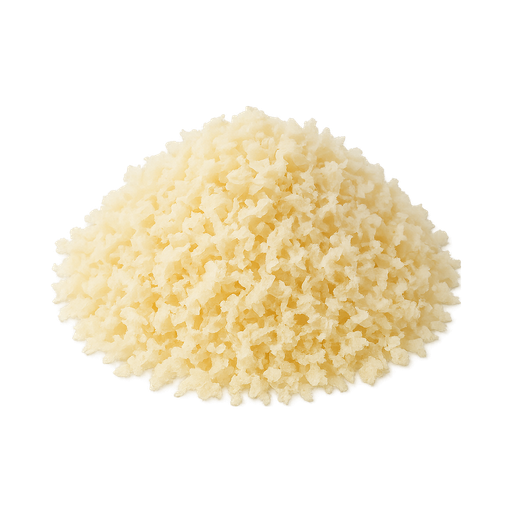
Tempura Crumbs
Crispy coating made from flour, starch, and spices, specially created for Japanese tempura. Provides a light, airy crust when deep-frying vegetables, seafood, and meat while keeping them juicy inside. When choosing, pay attention to the mixture's moisture content — it should remain crumbly, and store the coating in a dry place so it doesn't clump and retains its crispy properties.
About
Tempura crumbs are a crispy coating that transforms any dish into a crunchy delicacy. They are made from dried and ground tempura breadcrumbs left over after preparing classic Japanese tempura. It's not just a byproduct: the crumbs have become a standalone ingredient used by chefs around the world to create textural contrast and appetizing crunch.
Texture and taste
The main advantage of tempura breadcrumbs is their crispness. Even in a finished dish, they retain a pleasant crunch for a long time without becoming soft. The taste is neutral, slightly sweet, with a barely noticeable nutty note from roasted flour. The breadcrumbs easily absorb sauces and aromas from neighboring ingredients, so they don't overpower the dish but complement it.
Where to use
Tempura breadcrumbs work everywhere you need a crunch. Sprinkle them over salads — and soft leaves will get an interesting contrast. Add to soup at the last moment before serving — and it won't get soggy, but will retain its texture. Use as breading for fish or seafood, mixed with flour and salt. It's great in rolls, on the edge of a plate with puree, as a topping for pasta and risotto.
Successful Pairings
- Seafood and white fish — a classic combination where the breadcrumb coating highlights the tenderness of the meat
- Avocado and creamy sauces — the crunch contrasts with the softness
- Spicy sauces and marinades — the breadcrumb absorbs the flavor and becomes aromatic
- Vegetable dishes and vegan soups — adds nutrition and interest
- Light salads with citrus dressing — the perfect duet of crunch and freshness
Selection and Storage
When purchasing, pay attention to the color — good breadcrumbs should be light yellow or beige, without dark spots or lumps. Smell it: the aroma should be fresh, slightly nutty, without mustiness. Check the expiration date — freshness affects crunchiness.
Store the crumbs in an airtight container in a cool, dry place, away from moisture and odors. When stored properly, they retain their crunch for several months. If the crumbs have become moist, you can slightly dry them in the oven at low temperature, but it's better to use fresh ones. After opening the package, try to use the contents within a month — this will guarantee maximum crunchiness.
Practical tip
Add tempura crumbs at the very last moment before serving — this way they will remain crispy. If you're preparing the dish in advance, sprinkle the crumbs only right before putting it on the table. For hot dishes, the crumbs may soften slightly from steam, but that's normal — they will still add textural contrast. Experiment: tempura crumbs are great not only in Asian cuisine, but also in European dishes where crunch and lightness are needed.
Nutrition
per 100 g
- Calories
- 350 kcal
- Protein
- 8 g
- Fat
- 15 g
- Carbs
- 48 g
Measures and weight
- 1 tbsp
- 9 g
- 1 tsp
- 3 g
- 1 cup
- 150 g
Measure calculator
- Weight
- 100 g
- Calories
- 350 kcal