Usuba
Usuba
Tikka masala
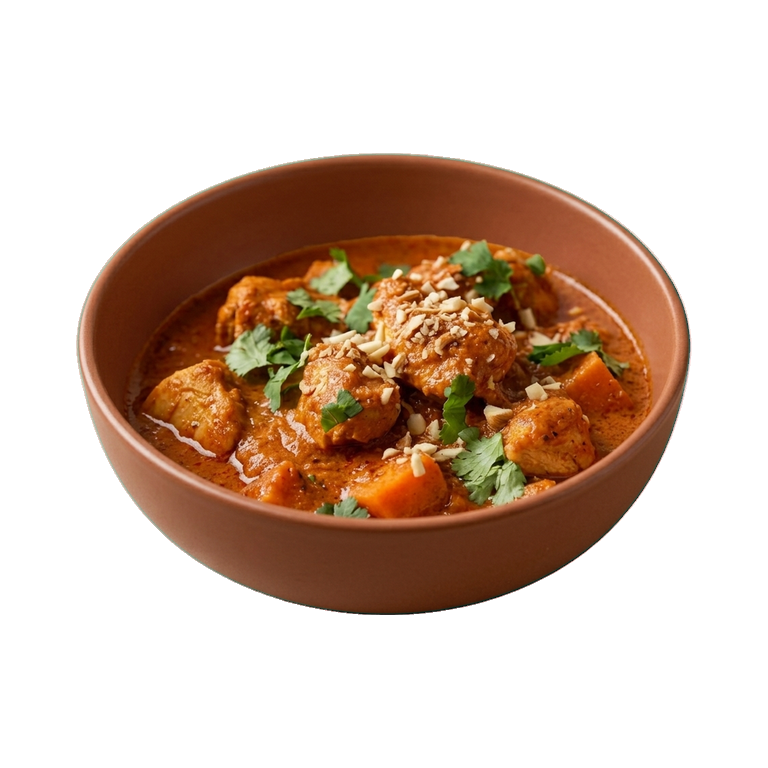
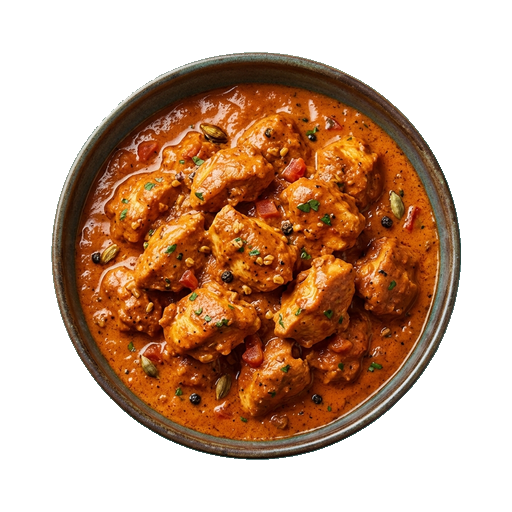
Tikka masala is a spicy paste or sauce based on tomatoes, cream, and spices, characteristic of Indian cuisine. It is used as a marinade for meat and vegetables before grilling or baking, as well as a base for creamy sauces for finished dishes. When choosing ready-made paste, pay attention to the balance of spiciness and creaminess, and when preparing it yourself, it is important to fry the spices well to reveal their deep flavor.
About
Tikka masala is not just a spice, but an entire aromatic composition that has transformed Indian cuisine into a universal language for European and Asian tables. The blend includes turmeric, coriander, cumin, paprika, and other components, creating that very recognizable orange-red color and a deep, multi-layered flavor that is associated with Eastern exoticism.
Aroma and flavor profile
Open a jar of tikka masala — and warmth immediately fills the air: spicy, slightly smoky, with a subtle sweetness. Turmeric gives an earthy base, coriander adds a light floral note, and red pepper brings a lively heat. The flavor is not aggressive, rather enveloping, with a long aftertaste that unfolds slowly and lingers.
Where and how to use it
Tikka masala works everywhere you need Eastern depth of flavor. The classic way is chicken or seafood in a creamy sauce: the spice unfolds completely when heated in oil and cream. But it's not limited to just that. Add it to a marinade for grilled vegetables, sprinkle it over a finished dish before serving, mix it with yogurt for a sauce, or even try it in a chickpea soup puree.
- Chicken tikka masala — a classic that never goes out of style
- Shrimp or fish in creamy sauce — tender meat absorbs spices particularly well
- Paneer or tofu — a vegetarian option where the spice becomes the star
- Vegetable side dishes and rice dishes — sprinkle right before serving adds depth
- Yogurt sauces and dips — base for marinades and appetizers
Cooking Technique
The main secret is not to add tikka masala to a cold dish. Heat the oil or cream, pour in the spice and let it sit for a minute or two so that the essential oils activate. You will hear a slight crackling sound and feel how the aroma becomes brighter and rounder. Only after this add proteins or vegetables. If you use the mixture as a dry topping, add it at the last moment to preserve the brightness of the flavor.
Selection and Storage
When purchasing, look at the color — it should be bright, orange-red, without a gray coating. The aroma should be lively and multifaceted, not musty. Check the packaging date: fresh spice blend works better. Store in an airtight container, away from light and moisture — under such conditions, tikka masala retains its aroma for about a year. If the jar is placed next to the stove or window, the spice will quickly lose its volatility.
- Airtight glass or ceramic container — the best option
- Dark, cool place without direct sunlight
- Away from sources of heat and moisture
- Check the aroma before using — if the smell is weak, it's time to refresh your supply
Tikka masala is a spice that turns an ordinary dinner into a celebration. It doesn't require complex techniques, but opens doors to a world where every dish sounds richer and warmer. Try it in your familiar recipes, and you'll understand why it has become so popular far beyond its homeland.
Nutrition
per 100 g
- Calories
- 110 kcal
- Protein
- 2 g
- Fat
- 7 g
- Carbs
- 9 g
Measures and weight
- 1 tbsp
- 15.8 g
- 1 tsp
- 5.3 g
- 1 cup
- 262.5 g
Measure calculator
- Weight
- 100 g
- Calories
- 110 kcal