 Usuba
Usuba
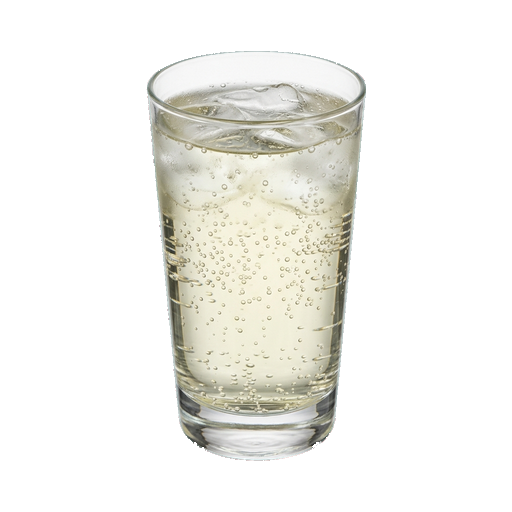
Tonic water
A carbonated beverage with a characteristic bitterness derived from cinchona bark and a sweet taste. In cooking, it is used in cocktails, especially in classic recipes with gin, as well as a base for homemade beverages and marinades. When selecting, pay attention to the quinine content and sugar level — in some recipes the bitterness is essential, while others prefer a milder flavor profile.
About
What is tonic and how to use it
Tonic is a carbonated beverage with a bitter taste, whose main component is quinine. It is quinine that gives it its characteristic bitterness and slight astringency. Originally, tonic was created as a medicinal drink, but today it is more of a mixer that adds complexity and depth to cocktails and long drinks. In cooking, it is rarely used in food preparation, but it is indispensable behind the bar and in home cocktail kits.
The taste of tonic is a balance of bitterness, citrus notes and light sweetness. Carbonation gives the drink liveliness and freshness. Different manufacturers vary the intensity of bitterness and add various botanical components: juniper, coriander, lemon, lime. This means that the choice of a specific tonic affects the final taste of the cocktail — from soft and floral to sharp and spicy.
Role in cocktails and pairings
Tonic works as a universal partner for strong spirits. The classic combination is gin and tonic, where the bitterness of the drink balances the botanical complexity of gin. Tonic also pairs well with vodka, rum, and even some types of whiskey. The main rule: add tonic at the end of cocktail preparation and pour it slowly to preserve the carbonation.
When mixing tonic with other ingredients, remember that its bitterness can overwhelm delicate flavors. If you're using an expensive spirit with a delicate profile, choose a milder tonic. Fresh citrus — lemon, lime, grapefruit — is always a good companion to tonic. They enhance its refreshing properties and add brightness.
Selection and Storage
When choosing a tonic, pay attention to the ingredient list. Quality tonic contains natural quinine, not its synthetic analog. Check the production date — freshness affects carbonation and taste. Try several options to find your style: some prefer the classic bitter profile, while others choose sweeter and more aromatic versions.
- Store in a cool place, away from direct sunlight
- After opening, use within a few days — carbonation dissipates quickly
- A sealed bottle can be stored for several months if kept airtight
- Chill before use — cold tonic is more carbonated and tastes better
Remember that tonic is not just a mixer, but an active ingredient that shapes the taste of your drink. Experiment with different brands and types until you find the ones that best suit your cocktail-making style.
Nutrition
per 100 ml
- Calories
- 36 kcal
- Protein
- 0 g
- Fat
- 0 g
- Carbs
- 8.9 g
Measures and weight
- 1 tbsp
- 15.5 g
- 1 tsp
- 5.2 g
- 1 cup
- 257.5 g
Measure calculator
- Weight
- 100 g
- Calories
- 35 kcal
